



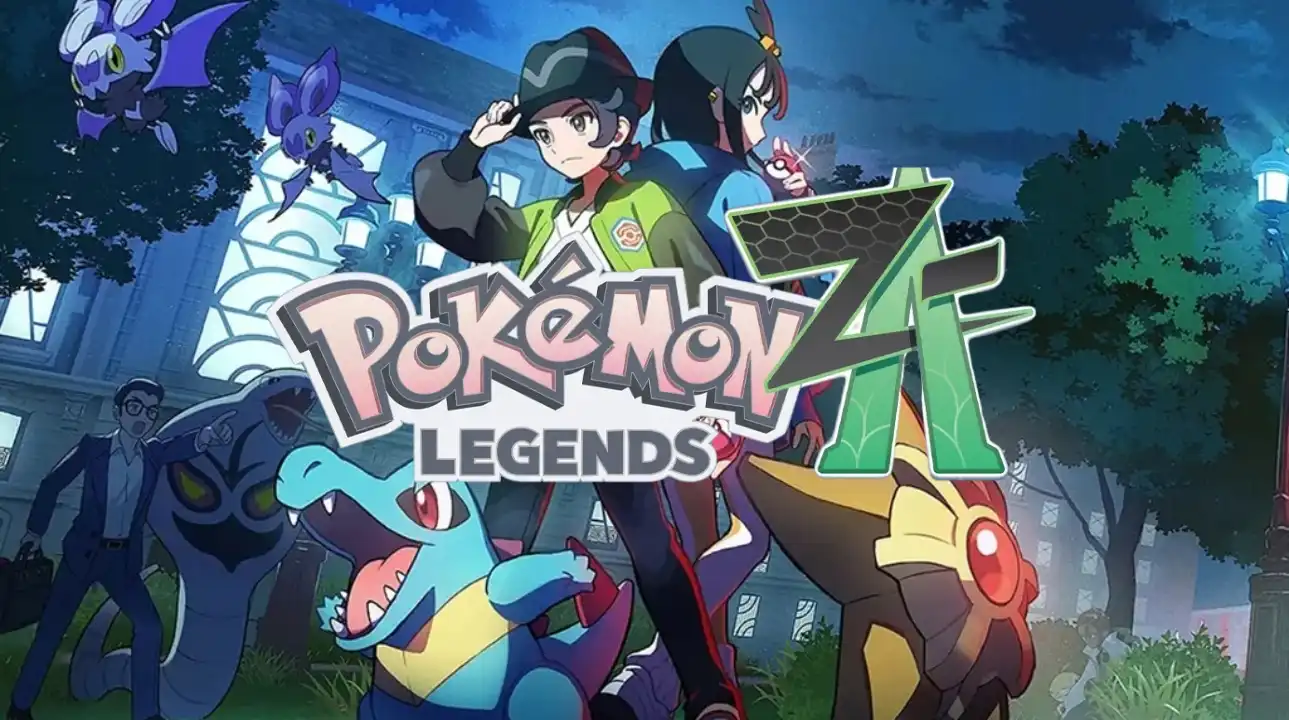
Pokémon Legends: Z-A — a long-time fan’s take on a series that finally feels bold again
Score: 7/10
I’ve been with Pokémon since that “hit game from Japan” era, back when I picked up Red for the dragon on the cover and traded my way into Blue later. Before Pokémania hit the West, the magic was discovery: rumors on the playground, imperfect information, and a hundred tiny mysteries that no guide could spoil because the guides didn’t exist yet. Coming from RPGs where you picked four party members out of eight, Pokémon’s 150 choices (151 in Japan if you could reach a Mew distribution) on a Game Boy felt outrageous and brilliant at once. For more from the franchise, see our coverage of Pokémon TCG: Mega Evolution—Perfect Order, or browse our Nintendo Switch coverage.
Official Trailer
Credit: The Pokémon Company (YouTube)
Join Our Newsletter
Stay updated with the latest interviews, previews, and indie gaming news from Fix Gaming Channel.
Yes, Gen 1 was janky. We didn’t care. Each generation stoked the hype in different ways, even as the series settled into routine. Spin-offs tried to shake the formula, including Mystery Dungeon, Ranger, and Conquest. But Pokémon Legends: Arceus was the first time in ages I felt that old spark.
Z-A keeps the spirit of Arceus—and then swerves
Pokémon Legends: Z-A is squarely in that lineage, landing in Lumiose City with a focus on urban exploration and a new combat feel. Battles play out in a more “live” way—command-based, but animated in real time—which I respect as an attempt to push things forward even if I personally prefer classic turn-taking. (If you love the snappier rhythm of Arceus, you’ll still find plenty to like.) For me, the biggest friction point is catching: rates feel lower, you get fewer quick attempts before a Pokémon enrages, and if it faints you basically have one more shot. It’s workable—just less fluid than bomb-tossing streaks in Arceus.
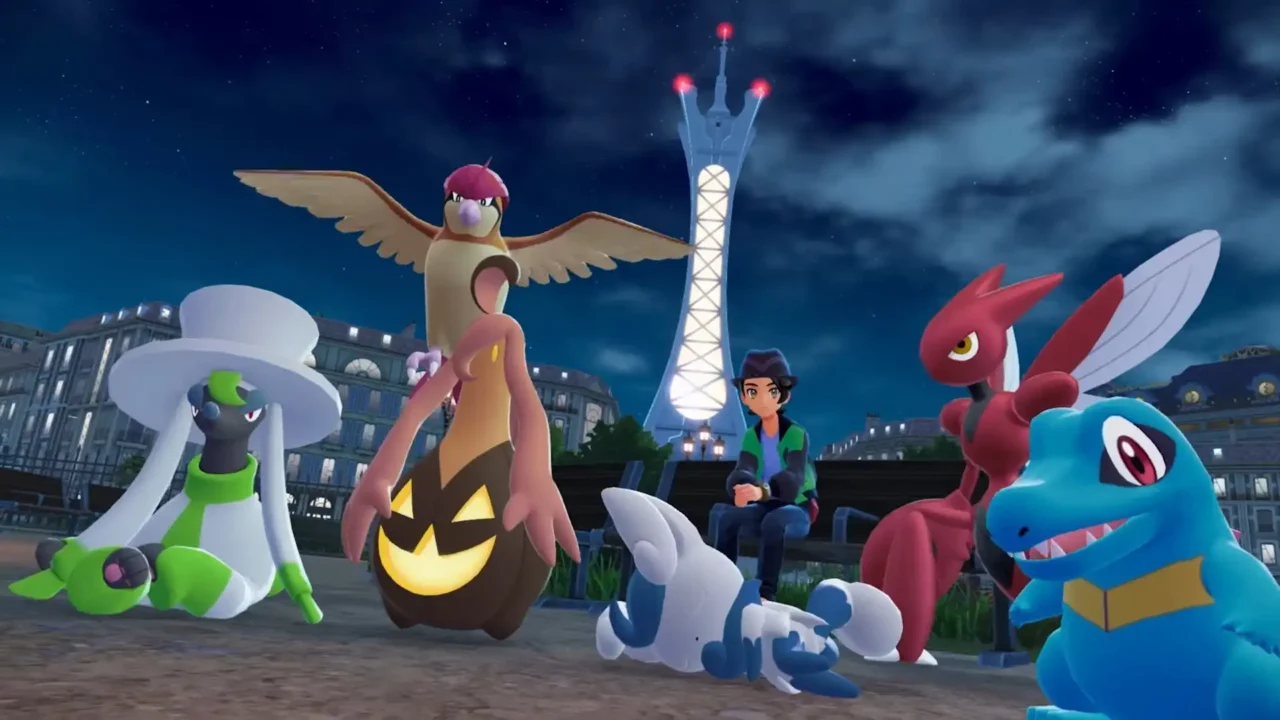
Story, characters, and worldbuilding finally show up to play
Where Z-A shines is narrative texture. Alongside Scarlet/Violet, this is some of The Pokémon Company’s best character work—more explicit lore threads, more connective tissue, fewer vibes that live only in Pokédex flavor text. Lumiose is dense, characterful, and layered with call-backs. I’d still have liked one or two extra zones beyond the city just for variety’s sake, but the focus gives Z-A a clear identity.
Structure that rewards stick-with-it players
I 100%’d my run (I’m parking the 1,000-battle grind for when DLC lands) and never felt short-changed on time. Z-A threads that familiar Pokémon loop—team building, shiny hunting, side challenges—into a city that’s easy to learn and fun to master. If you’re new, you can jump straight in without homework; veterans will catch the nods without the game leaning on them as crutches.
The rough edges (that won’t ruin your fun)
- Presentation: stylized but dated visuals. Pokémon has never banked on cutting-edge graphics, so this lands as a valid criticism, not a deal-breaker.
- No voice acting: it won’t bug everyone, but comparisons to fully voiced peers are fair.
- Catching flow: fewer rapid attempts and more enrage states slow the rhythm. Manageable, just less breezy than Arceus.
Verdict: Legends is the right kind of experiment
Z-A isn’t a technical showcase, but it’s a design statement: a confident spin on Pokémon that respects what long-timers love while testing new systems. If you bounced off the treadmill years ago or you’re brand new, this is a welcoming on-ramp. And if you adored Arceus, Z-A feels like the next meaningful step, different where it should be and familiar where it must be. I’m in for the DLC.
Pokémon Legends: Z-A
Release: October 16, 2025
Genre: Action RPG
Developer / Publisher: GAME FREAK / Nintendo
Platforms: Nintendo Switch, Nintendo Switch 2
Review by The Movie Hero for Fix Gaming Channel.
Send interview pitches, corrections, tips, or developer stories to contact@fixgamingchannel.com.
Support independent games coverage on Ko-fi.