


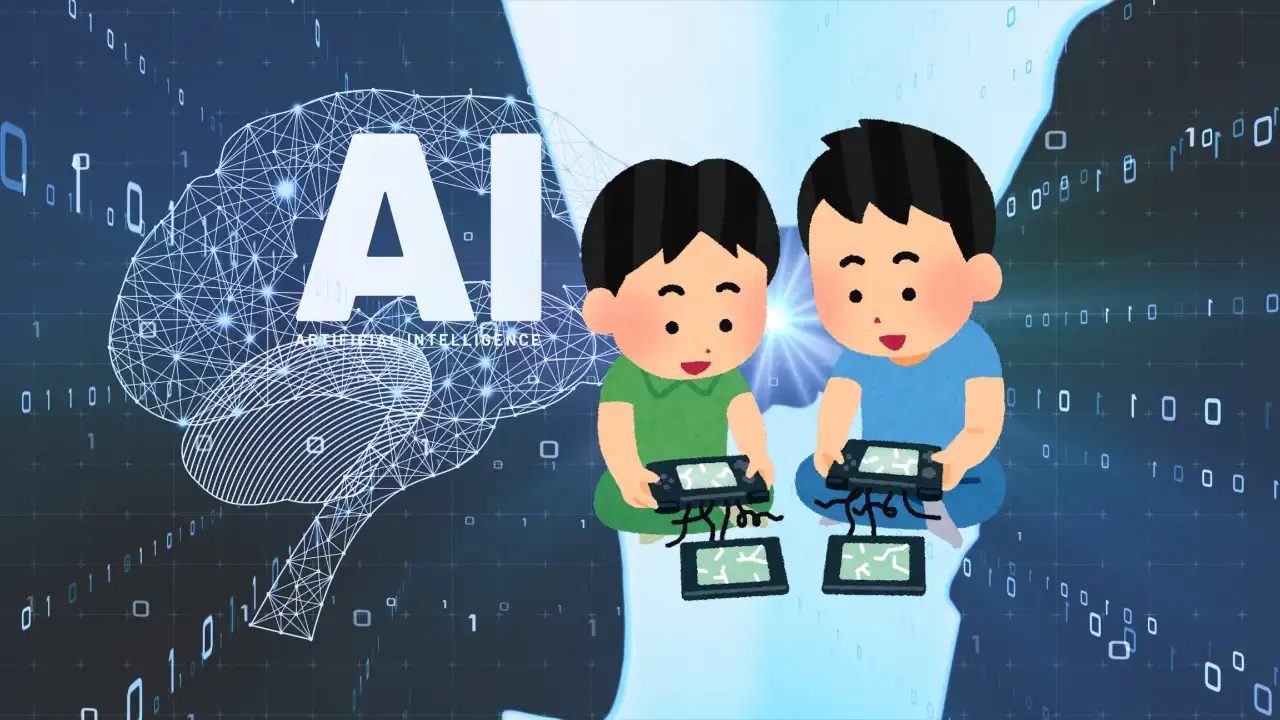
A small real-world moment said more to me about AI in gaming than a hundred online arguments ever could.
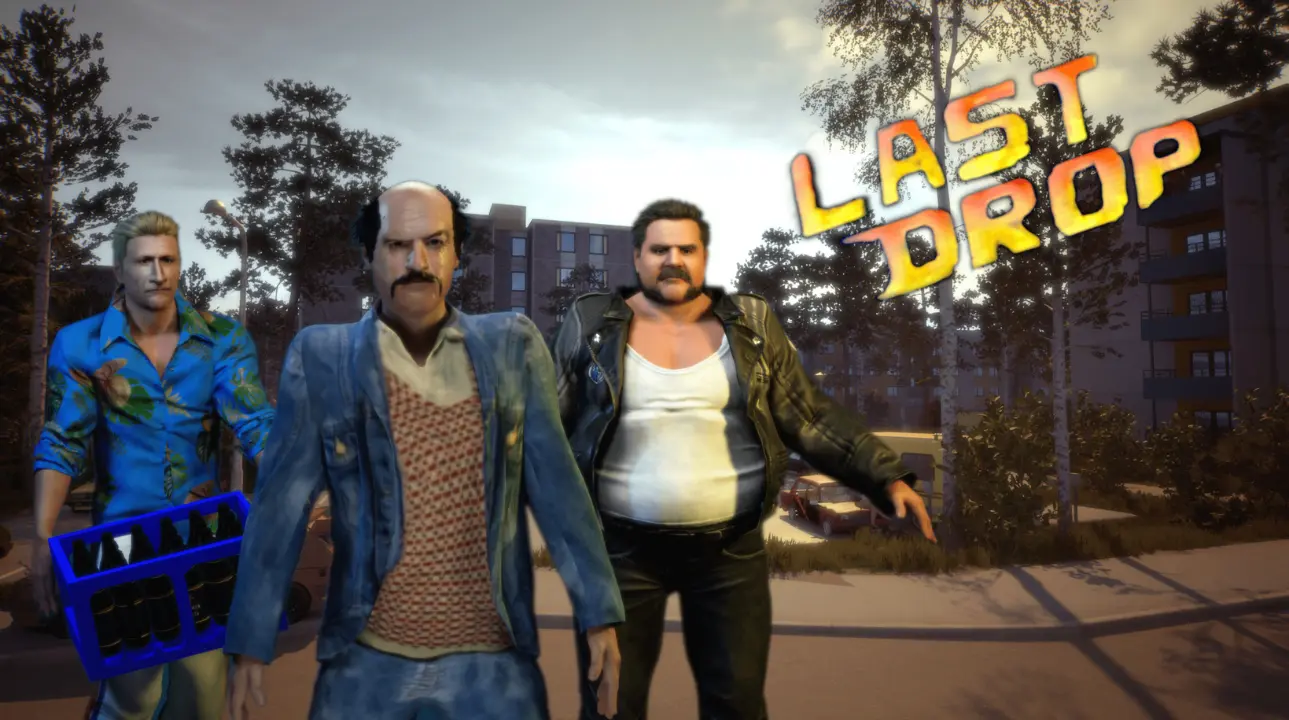
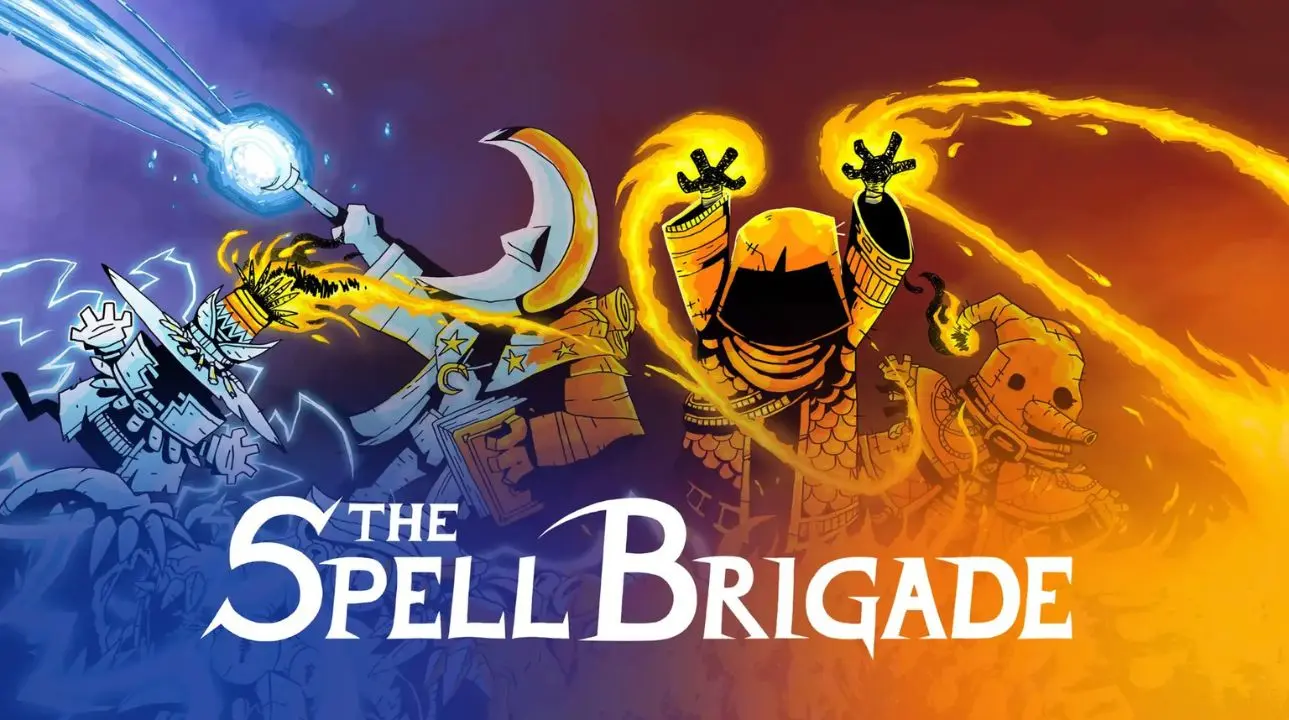
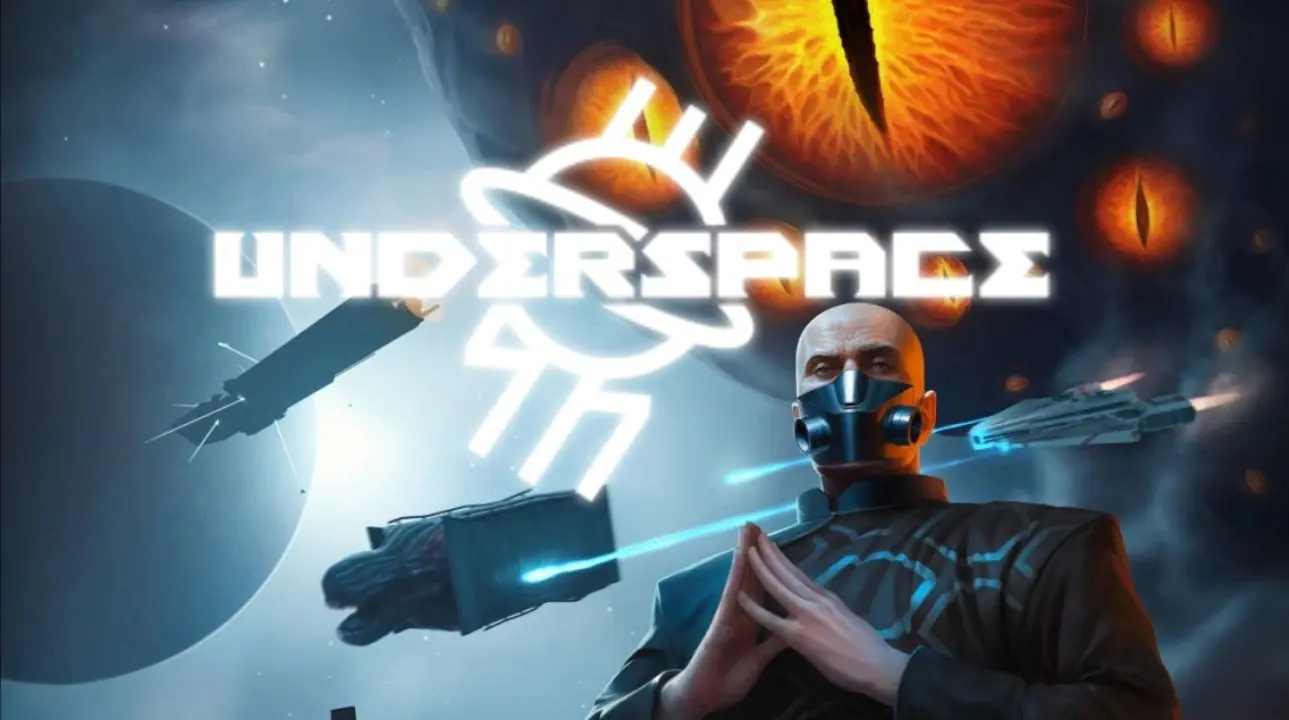
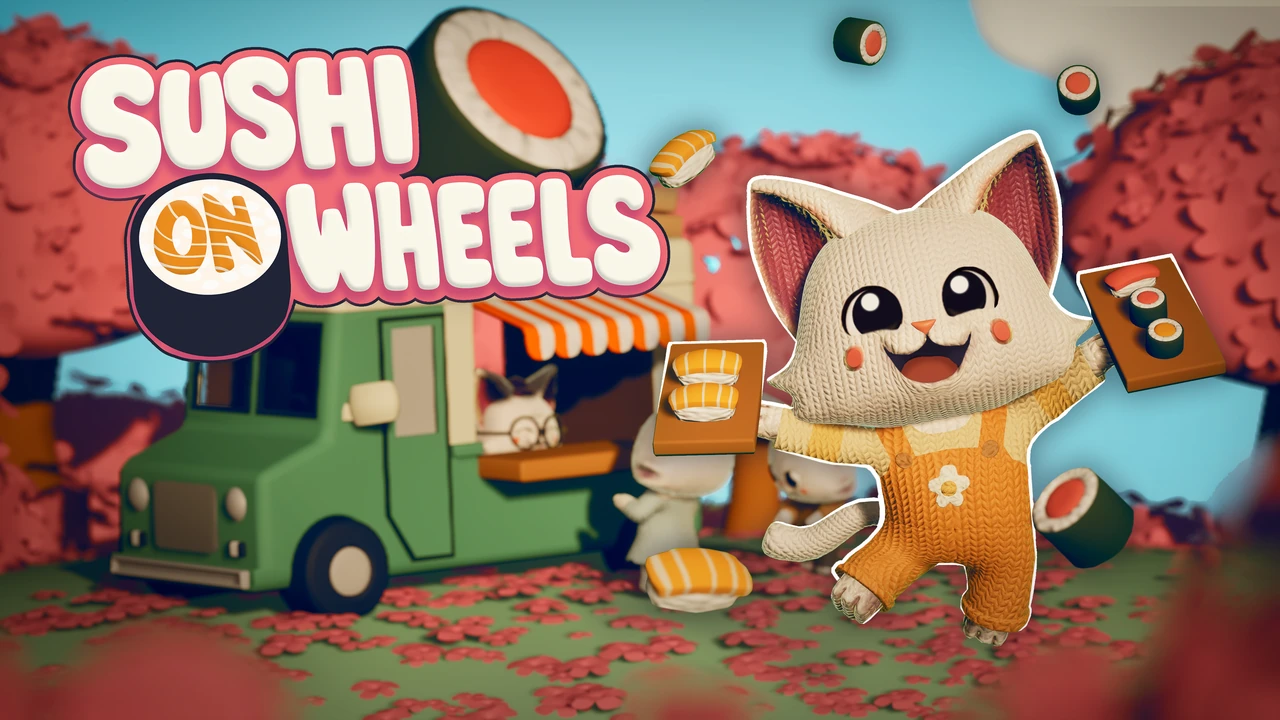
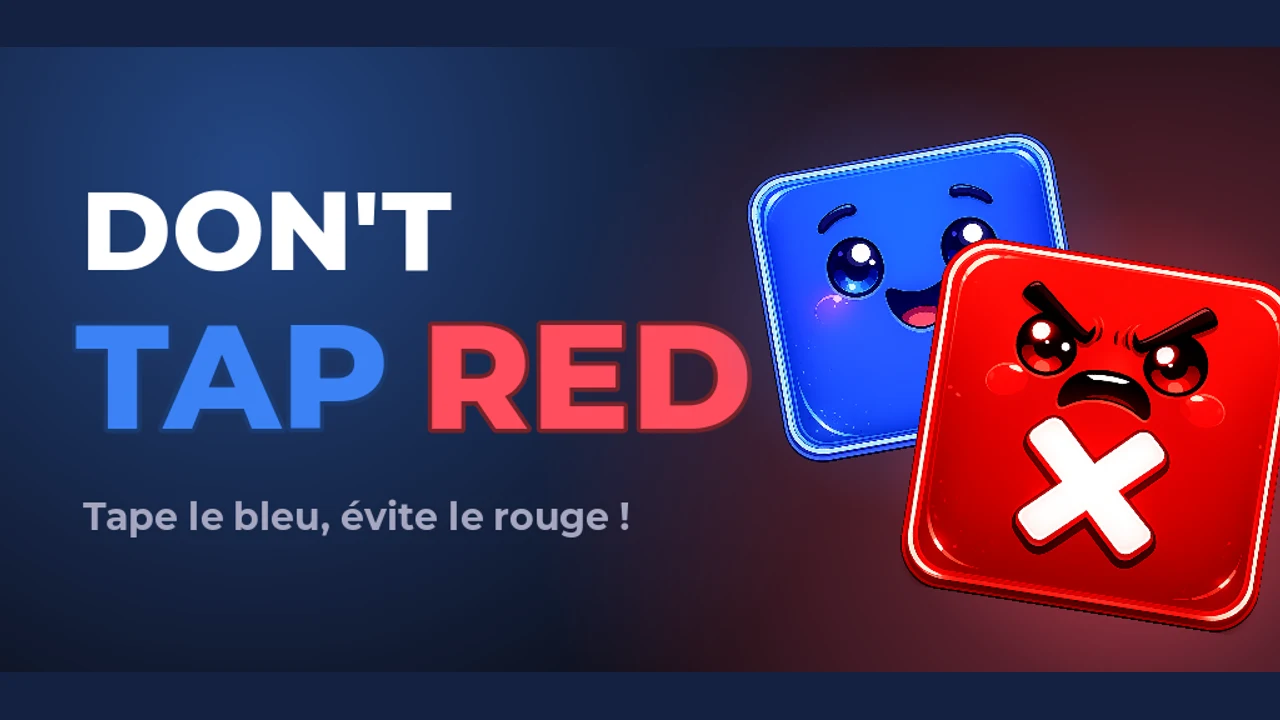
Yesterday, I met some kids who were watching and playing AI games, and what struck me most was how naturally they took to it. There was no big debate, no industry-style panic, and no endless overthinking. They were curious, engaged, entertained, and fully in the moment.
That stayed with me, because so much of the conversation around AI in games is still shaped by adults, media, and the online noise machine. Some concerns are valid and absolutely worth taking seriously. But real moments still matter. These kids were not looking at AI through ideology or fear. They were reacting to what was in front of them and asking a much simpler question: Is this fun, interesting, surprising, or worth my time?
We have looked at that tension elsewhere, from The Alters AI controversy and Steam disclosure questions to our later editorial on what AI disclosure should actually mean.
Join Our Newsletter
Stay updated with the latest interviews, previews, and indie gaming news from Fix Gaming Channel.
That does not automatically mean every use of AI in gaming is good, thoughtful, or worth defending, far from it. A lot of AI content already feels rushed, gimmicky, or disconnected from the kind of human creativity that gives games their soul in the first place. I do not think AI should replace developers, artists, writers, designers, or human vision. Games need people. They need instinct, emotion, mistakes, experimentation, and that human spark behind them.
But that is exactly why the moment hit me the way it did. These kids were not reacting to AI as a threat. They were reacting to it as part of play. That does not settle the argument, but it says something important. It shows how quickly younger players adapt to new tools, new systems, and new ways of interacting with games. What older players, journalists, and developers may still see as disruptive or uncomfortable, younger players may treat as normal, much faster than expected.
Fun still wins first contact.
That is something people in this industry sometimes forget. Kids are not usually entering a game through ideology. They are entering through fun, curiosity, surprise, challenge, humour, or spectacle. If something reacts to them in a way that feels fresh or unexpected, that is going to grab attention. It does not really matter whether the system behind it is called AI, procedural generation, or something else. What they feel first is the experience.
That does not make them naive. It makes them players. And maybe that is where some of the wider gaming conversation loses the plot. We spend so much time talking around players that we forget to look at how they actually respond in real life. Not in a forum war. Not in a comment section. Just in a real moment, face to face, watching what naturally clicks.
That does not mean giving AI a free pass.
None of this should be read as blind support for AI in gaming. It should not become an excuse for lazy design, soulless asset churn, or cutting corners at the expense of real creative talent. If AI is used carelessly, cynically, or as a replacement for people rather than a tool around them, then yes, that deserves criticism. Strong criticism.
But rejecting the whole space outright may be just as shortsighted. That is the part I keep coming back to. When younger players connect with something this naturally, it becomes harder to pretend the discussion can simply be shut down by resistance alone. The technology will keep moving. Developers will keep experimenting. Players will keep reacting based on what they enjoy. That is the reality, whether people like it or not.
The next generation may already be ahead of us on this.
That might be the uncomfortable truth in all of this. The next generation may already be more ready for AI in games than many of us are. Not because they understand every consequence better, and not because they are making some grand philosophical statement, but because they are growing up in a world where these systems are increasingly visible across entertainment, education, and technology as a whole.
I am not saying AI should replace creativity, developers, or human vision in games. Far from it. The soul of gaming does not come from a machine. It comes from people. But when you see younger players respond to these experiences with genuine excitement, it becomes harder to dismiss the space entirely. Whether we like it or not, AI is becoming part of gaming’s future, and the next generation may already be more ready for that reality than we are.
It is what it is.
More editorial coverage, interviews, and features can always be found at Fix Gaming Channel.
Written by Ronny Fiksdahl, Founder & Editor-in-Chief at Fix Gaming Channel.
Send interview pitches, corrections, tips, or developer stories to contact@fixgamingchannel.com.
Support independent games coverage on Ko-fi.