
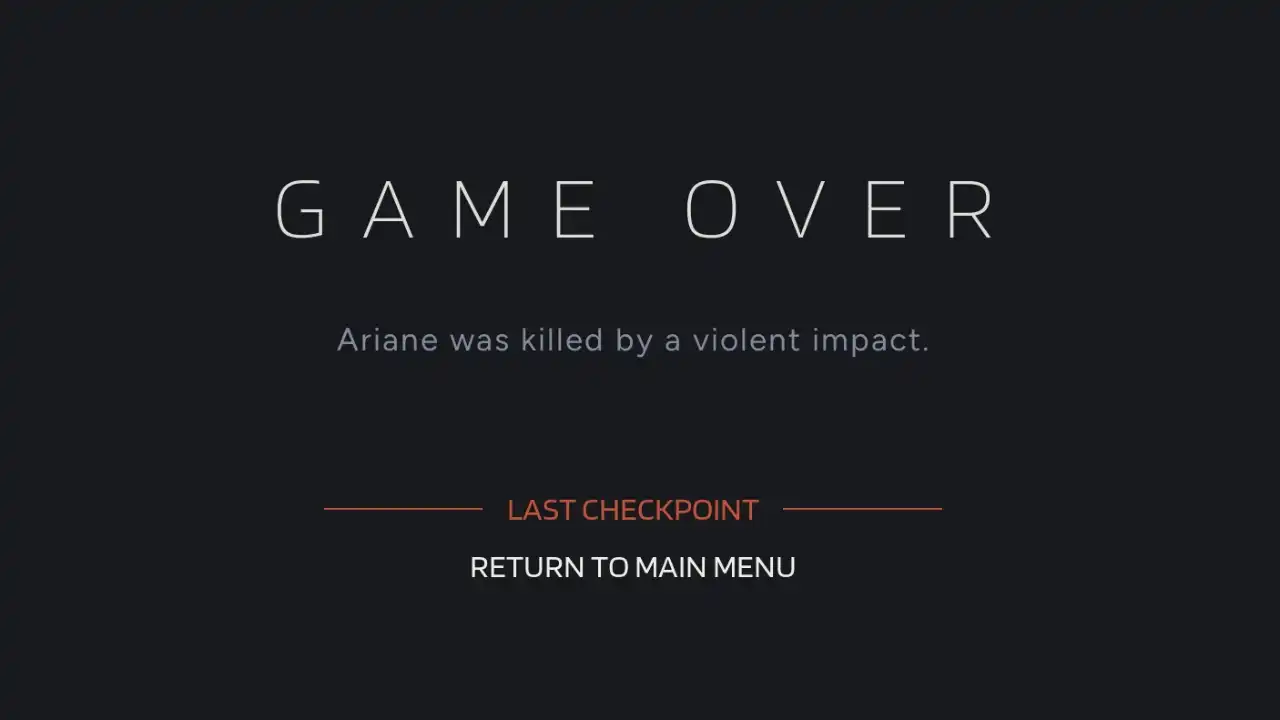
Player death can be punishment, feedback, comedy, tension, or the moment a game finally shows its real rules.
Death in a game is rarely just the end. Sometimes it is a mistake. Sometimes it is a lesson. Sometimes it is a punishment. Sometimes it is simply a quick reset before the next attempt.
The more games you play, the more you notice how much a death screen can say about a game’s design. A brutal old-school platformer like Prince of Persia uses failure differently from a modern roguelike, a survival game, a soulslike, or a comedy platformer. The question is not only why the player died. The real question is what the game does with that death.
Death Teaches the Player
Good game design often uses death as feedback. You attacked too early. You ignored a sound cue. You rushed into a trap. You got greedy. You missed the pattern. You thought you were safe.
That kind of death can be frustrating, but it can also be fair. The player understands what happened and knows what to change next time. That is why difficult games can still feel satisfying when the rules are clear.
The problem comes when death feels random, hidden, or cheap. If the player dies without useful information, the failure stops feeling like a lesson and starts feeling like wasted time. Difficulty is not the same as confusion.
Death Creates Memory
Some of the strongest gaming memories come from failure. The boss you almost beat. The jump you missed again and again. The survival run that collapsed because you panicked. The last enemy that killed you when you had no healing left.
Winning feels good, but almost winning can stay with you longer.
That is one reason roguelikes, soulslikes, extraction games, survival games, and permadeath modes can become so personal. Games like Hades and Elden Ring show how repeated failure can become part of the experience instead of just a stop sign. The player is not only fighting enemies. They are fighting risk, nerves, memory, and their own bad habits.
Aphelion — Raw Gameplay Death and Checkpoint Struggle
Join Our Newsletter
Stay updated with the latest interviews, previews, and indie gaming news from Fix Gaming Channel.
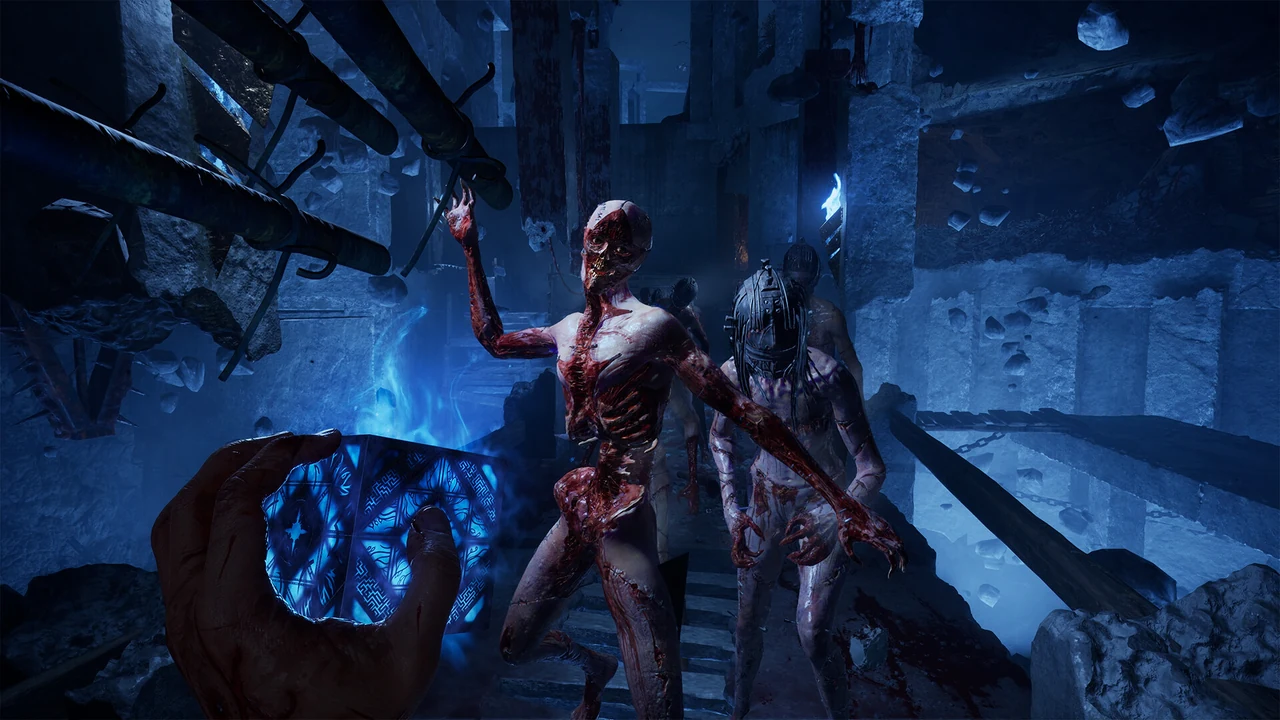
I recently played Aphelion, and this section of my raw gameplay shows the point well. I think I died around 50 times before getting through the next challenges. Some creators would probably edit most of that struggle out, but I prefer showing raw, real-life gameplay as it happened.
After seven hours of playing, your eyes get tired, your reactions slow down, and the smallest mistake can become another restart. That is a factor, not an excuse. Or maybe in this case, it is a small excuse, haha. But that is also part of the real experience. You keep going because you want to finish the story.
Aphelion is a cinematic third-person action-adventure from DON’T NOD, and it is also available on Steam. For this article, though, the important part is not the store page or the pitch. It is that raw loop of dying, restarting, learning, getting tired, and still pushing forward.
The Respawn Matters
What happens after death often matters more than the death itself.
Where does the game place you? How much progress do you lose? How quickly can you try again? Do you have to repeat long dialogue, slow walking sections, or unskippable scenes? Does the checkpoint respect your time?
A hard game can still feel fair if the restart is fast and clean. A less difficult game can feel exhausting if every mistake forces the player through too much repeated content.
A good respawn says, “You failed, try again.” A bad respawn says, “You failed, now repeat the boring part.” Players feel that difference immediately.
Death Can Be Funny, Cruel, or Beautiful
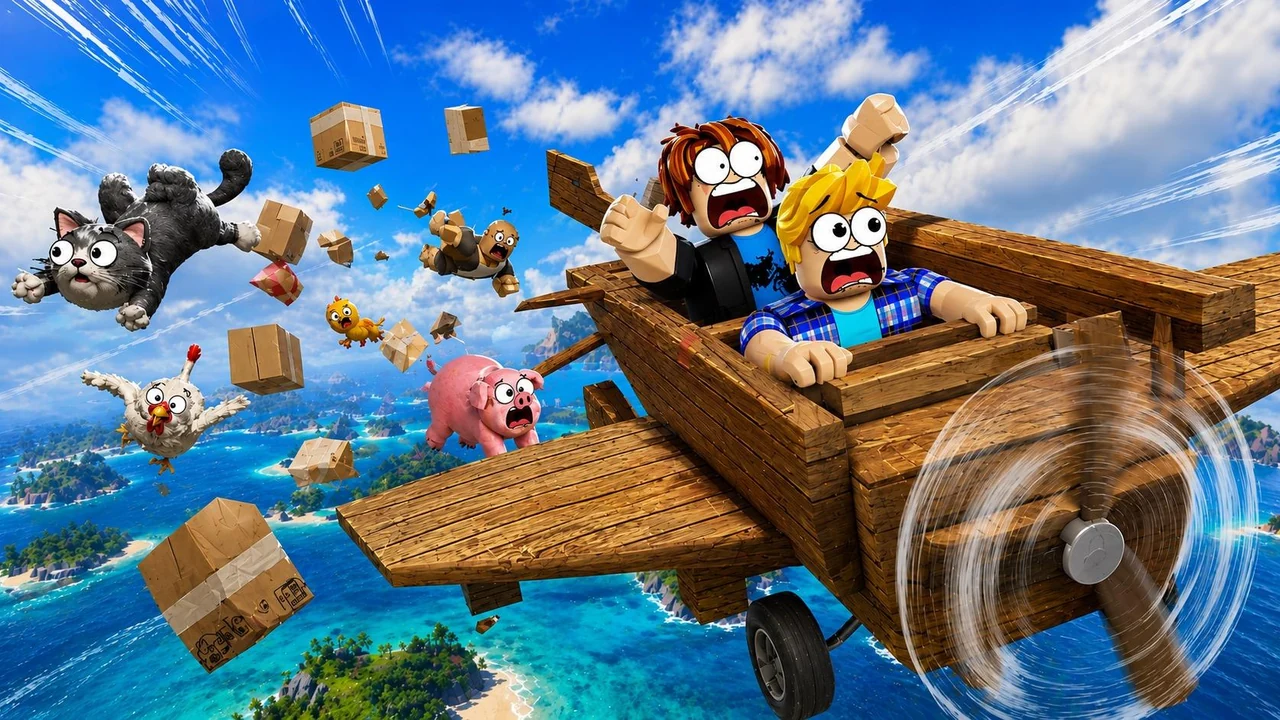
Not every game treats death seriously. Some games turn it into slapstick. Some make it absurd. Some almost invite the player to fail just to see what happens next.
Others use death for emotional weight. A character is lost. A companion falls. A world changes. The player does not simply reload and forget. The game wants that moment to matter.
That range is part of why games are such a powerful medium. Death can be a reset button, a joke, a warning, a punishment, a story beat, or a permanent scar. It all depends on the rules around it.
When Death Has No Weight
There is nothing wrong with forgiving games. Not every game needs harsh punishment. Sometimes instant respawns and generous checkpoints are exactly the right choice.
But if death has no weight at all, the game needs something else to keep the player invested. Speed, style, story, humor, mastery, exploration, creativity, or spectacle can all carry the experience. If none of that is there, death becomes empty.
The player fails, returns, and feels nothing.
That is when the design question becomes important: what is death supposed to do in this game?
Final Thought
When you die in a game, the screen may fade, the music may stop, and the character may fall. But the real moment is not the death itself. It is what the game teaches, takes away, or gives back after it happens.
Does it punish you? Does it teach you? Does it make you laugh? Does it make you angry? Does it make the world feel more dangerous? Does it make victory feel earned?
Related Reading
For more on challenge, player pressure, and why older games still leave a mark, read Prince of Persia: Then and Now, Why the Original Felt Truly Brutal. You can also read our coverage of Slay the Spire 2, where risk, repetition, and player expectation all play their part.
Written by Ronny Fiksdahl, Founder & Editor-in-Chief at Fix Gaming Channel.
Have a game design topic, strange mechanic, or indie story worth covering? Contact us at contact@fixgamingchannel.com.
Support independent games coverage on Ko-fi.