A solo mobile game built from a café soundtrack
This is part of Fix Stories, our developer-authored series where creators share the real stories behind their games.
In this story, Redd Kaiman of Kaiman Isles LLC explains how Instant Estresso grew from a lo-fi café soundtrack into a solo-developed mobile barista game for iOS and Android.
Instant Estresso Trailer
Join Our Newsletter
Stay updated with the latest interviews, previews, and indie gaming news from Fix Gaming Channel.
I’m a musician. I produce lo-fi and power pop in Reason and Ableton. About eight months ago, I had this idea for a café soundtrack: jazzy chords, soft drums, the warm analog feeling of a coffee shop on a slow morning.
I could hear all eleven tracks clearly. What I couldn’t figure out was what to do with them.
It might sound obvious, but so much of being a musician is getting people to listen to you.
So I thought, “original soundtrack from an indie game.” That could work.
So I decided to build a game around the album.
I used to read Electronic Gaming Monthly as a kid.
They did a review of a retro game collection where they talked about Root Beer Tapper, this game where you had to serve root beer to people.
I wanted to do something like that, but modern.
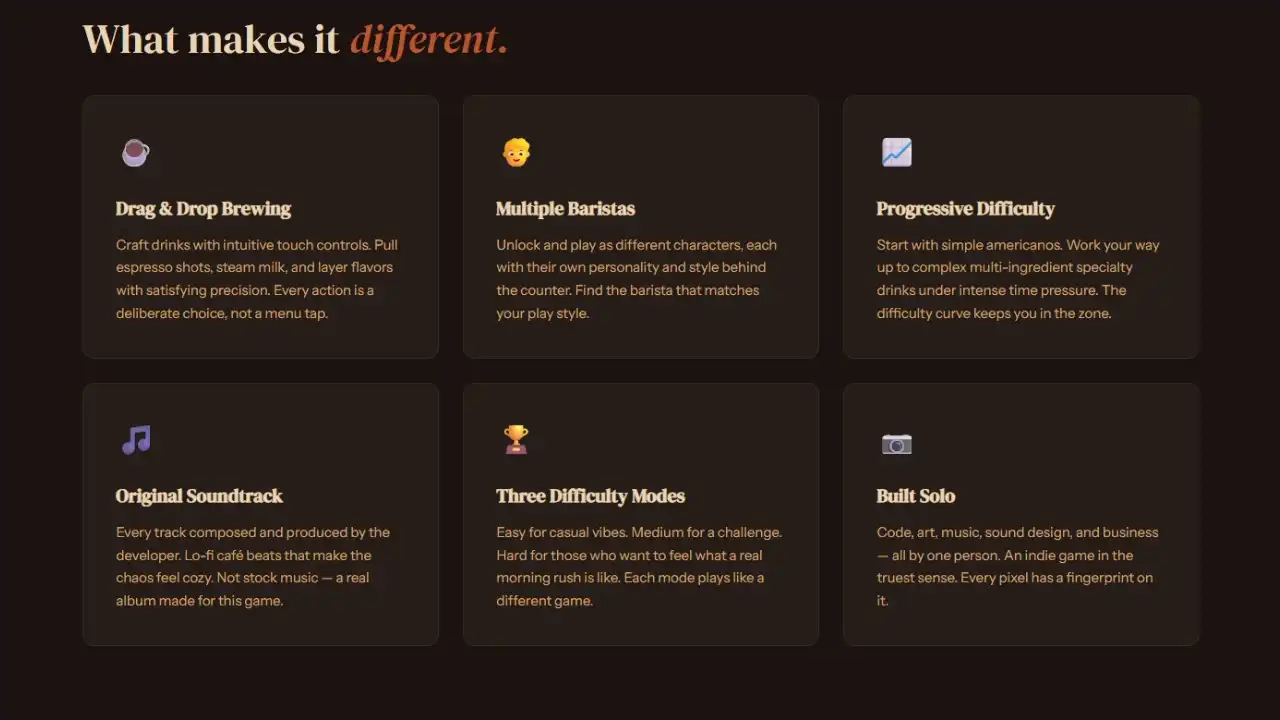
The game became Instant Estresso: a barista simulator where you drag and drop espresso shots, steamed milk, and syrups to serve increasingly impatient customers before they walk out and tank your streak.
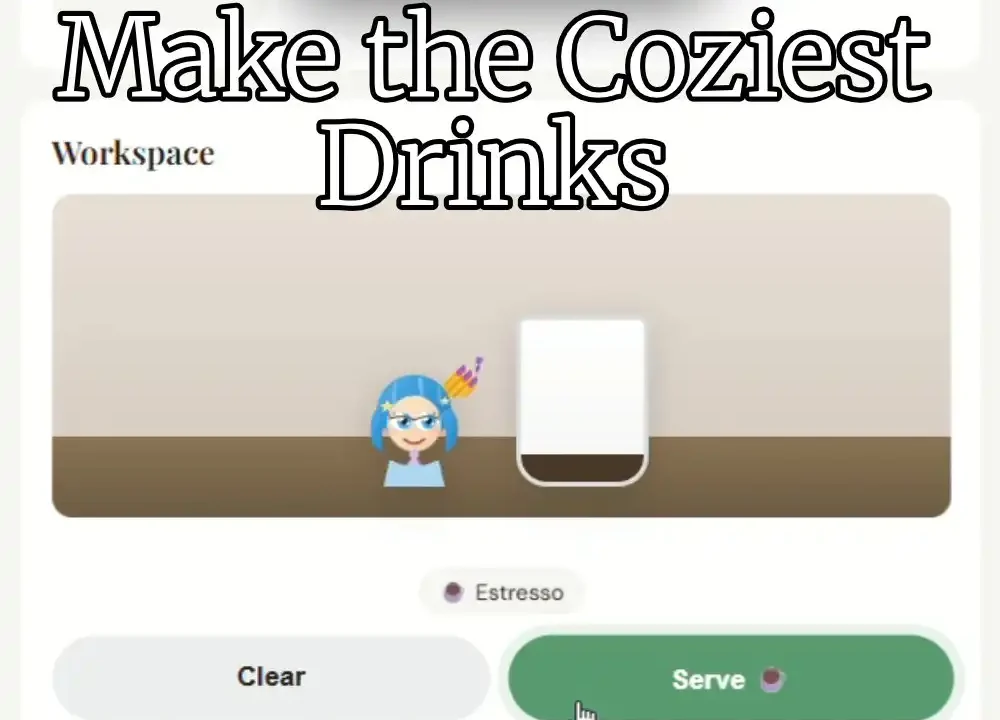
Instant Estresso turns coffee orders into a fast-paced drag-and-drop barista challenge.
Keeping the idea small enough to finish
I built the entire thing over six months.
I played around a lot in HTML5 and JavaScript.
As kids, they tell you to dream big, and what happens is you end up with a pile of half-finished “big projects.” I wanted to keep this one small.
It was important to finish this one.
I also wrapped it with a framework called Capacitor that turns web apps into real native mobile apps. The first time Xcode opened my game like a real iOS app, I sat staring at it for close to ten minutes. It felt like getting away with something.
When I was a kid, I would make little movies with a Sony camera. Using corn syrup and red dye, they were technically R-rated movies, and I felt proud of that, proud of making movies I shouldn’t be able to see.
I felt that way again.
Then the app stores got involved
That feeling wore off quickly though.
Apple rejected my first submission for a metadata issue I still do not fully understand. They rejected my second submission because my screenshots were twelve pixels too narrow. My image editor had resized them in a way that broke Apple’s automated check, and the reviewer caught it before I did.
The third submission went through. Each round added days to a timeline I had assumed would take hours.
Google Play approved me faster, but the data safety form nearly broke me. My game touches almost no user data, but I still had to spend hours declaring “no” to dozens of questions about data types the game has never heard of.
The form is designed for apps that do a lot. When your app does almost nothing, filling it out takes longer because you are constantly second-guessing whether you missed something.
The fifteen lines that took two days to find
The audio was the other crisis.
Everything worked on iOS. On Android, the music kept cutting out. Notifications would silence the soundtrack. Switching apps would kill it entirely.
I spent two days assuming this was a Capacitor bug before I realized it was an Android-specific behavior: the web view suspends your audio context when the app loses focus and does not resume it automatically.
The fix was about fifteen lines of code: detect when the app regains focus, check if the audio context is suspended, call resume.
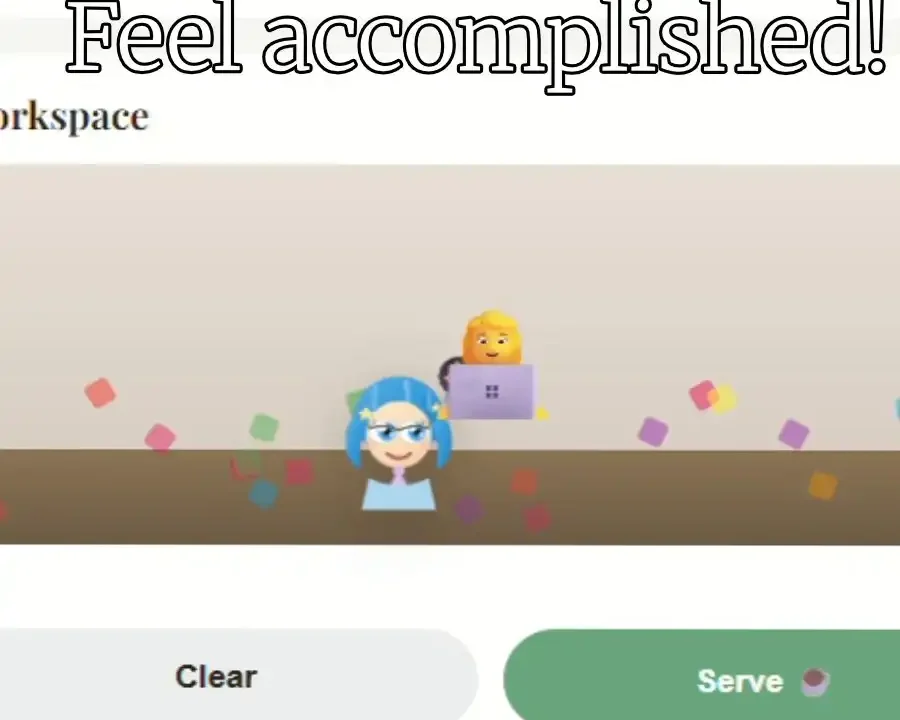
The game rewards clean drink streaks with small bursts of progress and satisfaction.
Two days of searching for fifteen lines of solution. That ratio feels like it describes most of game development.
What the project taught me
What I learned from this project is that the barriers to making a mobile game have shifted.
The technical side is more accessible than it has ever been. I shipped a polished product to both major app stores using only the skills I already had from building websites and producing music.
But the barriers that remain are real.
Apple’s review process is unpredictable for first-time developers. Platform bureaucracy eats more time than actual development.
And marketing a mobile game as a solo developer is harder than building one.
I have spent more hours on post-launch outreach than I expected to spend in the entire first month.
The game started as an excuse to release an album. It became something else along the way, a proof of concept that one person with web skills and a DAW can ship a real product to both stores without a team, an engine license, or a publisher.
Check Out Instant Estresso
-
- Trailer: Watch on YouTube
- App Store: Instant Estresso on the App Store
- Google Play: Instant Estresso on Google Play
Related Reading
Story by Redd Kaiman — Kaiman Isles LLC.
Edited for publication by Ronny Fiksdahl, Founder & Editor-in-Chief of Fix Gaming Channel.
Have a developer story worth sharing? Fix Stories is open to first-person creator submissions.