

A solo developer story about learning, rebuilding, and finding the right name
Originally released as Skiptrace, Evans Kofi’s free Android platformer has been renamed Tenlands: Run, Jump, Survive after the original title proved difficult for players to find through Google Play searches.
Update — August 25, 2026: Developer Evans Kofi has confirmed that the original Skiptrace / Tenlands: Run, Jump, Survive project covered in this article has been discontinued. Kofi has since begun work on a separate game also titled Tenlands. The new project is not connected to the game documented below. This article remains available as an archive of the original project and the developer’s story at the time.
Update — July 26, 2026: Developer Evans Kofi has renamed Skiptrace to Tenlands: Run, Jump, Survive. According to Kofi, searches for the original title were dominated by the 2016 Jackie Chan film and unrelated apps, making the game difficult to discover. The game itself remains the same ten-chapter Android platformer, while its store screenshots and presentation have been refreshed.
For this Fix Stories feature, Evans Kofi, also known as AlmightyPrime, shares the story behind the game originally released as Skiptrace. The free Android platformer was built in Python and Pygame after years of learning, testing, rebuilding, and refusing to walk away.
The game’s original name was inspired by the feeling and energy Evans took from the 2016 Jackie Chan film Skiptrace: movement, travel, danger, and the idea of always pushing forward. This is not an official tie-in or licensed adaptation. It is a personal creator story about how a favorite film helped spark a solo developer’s first major game project.
“This game was made by one person, alone, on midnight internet data in Ghana. No budget. No studio. No shortcuts. Just two years of learning, failing, recovering and finishing.”
Want more independent developer stories?
Get more developer features, interviews, reviews, indie coverage, and gaming news from Fix Gaming Channel.
Join Our Newsletter
Stay updated with the latest interviews, previews, and indie gaming news.
Why Skiptrace became Tenlands
After the original story was published, Evans discovered that the name Skiptrace was creating a visibility problem. Searches for the title frequently surfaced unrelated applications, while wider search results were dominated by the Jackie Chan film that originally inspired the game.
The game was becoming buried beneath results that had nothing to do with Evans’ project. For a solo developer without a large advertising budget, having a title that players could search for, remember, and identify was important.
The new name, Tenlands: Run, Jump, Survive, reflects both the game’s structure and its central platforming loop. Players travel through ten different chapters, running, jumping, avoiding hazards, collecting fruit, and surviving increasingly demanding stages.
Alongside the rename, Evans refreshed the game’s Google Play presentation with new screenshots. The content of the game remains unchanged, including its ten chapters and original journey.
Editor’s note: Evans wrote the first-person story below before the game was renamed. References to Skiptrace have been retained because that was the project’s name throughout its development and original release.
It started with a movie
Skiptrace, the 2016 Jackie Chan film, is one of my all-time favourites. The chase sequences, the environments, the sense of constantly running from one place to the next, always moving forward no matter what. When I started learning how to make games, I knew immediately that I wanted my first real project to capture that same feeling. A journey. A chase. An escape.
That is where Skiptrace the game was born.

The Desert chapter features platforms, hazards, collectible fruit, and mobile touch controls.
Learning to code and build at the same time
I had no formal training in programming. Everything I know about Python and Pygame came from watching tutorial videos, starting with beginner content from Kevin Stratvert and gradually moving into more advanced topics with Tech With Tim. Whenever I hit a wall, I would search YouTube for exactly the problem I was facing and find my way through it one video at a time.
The assets for the game came from Tech With Tim‘s GitHub page. I took what was available and built around it, shaping each chapter by hand. It was slow, sometimes painful work, but it was mine.
What made it harder was that I was not just learning to code. I was learning to code while simultaneously designing a game. Every new feature meant a new problem I had never seen before. Collision systems. Touch controls. Level logic. Background scrolling. Each one required hours of research, testing, and fixing. There were nights I gave up more sleep than I can count, running on nothing but the idea that I was getting closer.
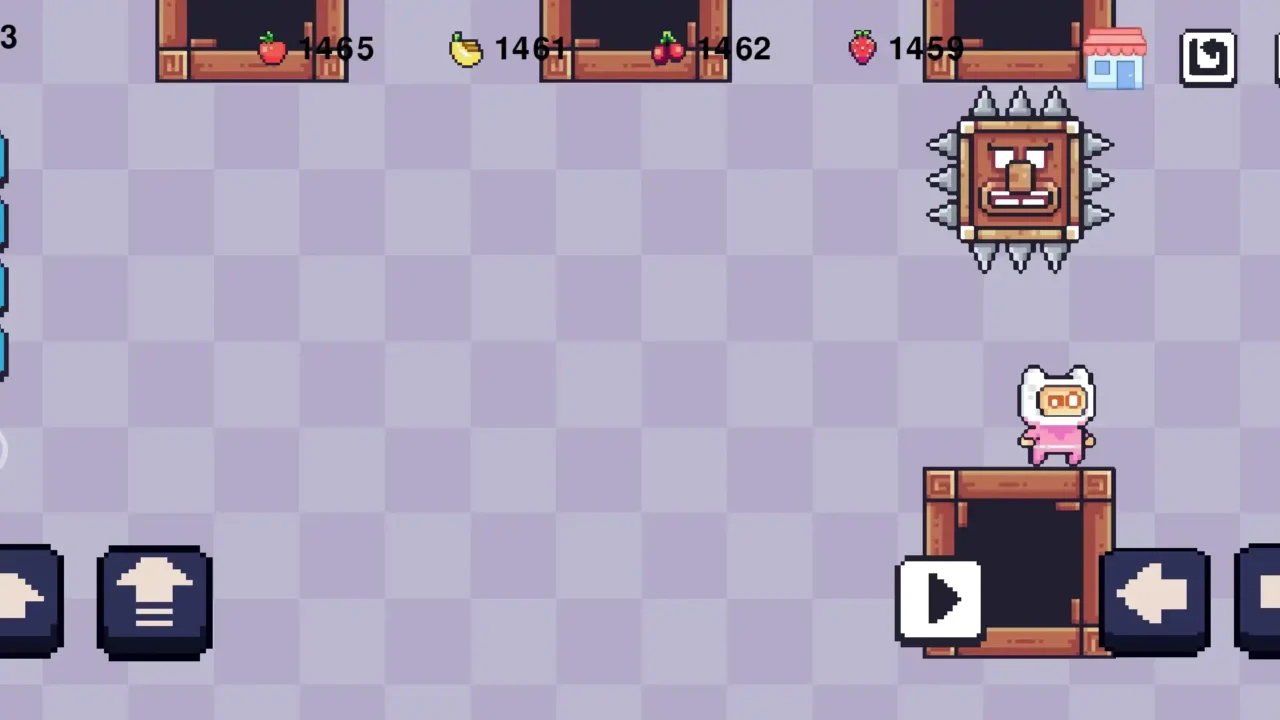
Tenlands combines simple mobile controls with hazards and chapter-based progression.
When it got too stressful, and it did regularly, I would lie in bed and chew on the wooden frame just to have somewhere to put the frustration. That is not a joke. That is just what it was like.
Ten chapters, one journey
The 10 chapters of Skiptrace are loosely inspired by the environments and energy of the film, but not copied one for one. I was conscious of staying far enough away from the source material to avoid any legal issues while still honouring what inspired me.
Each chapter takes the player through a different world: Journey, Market, Traps, Rain, Mountain, Swamp, Desert, Ambush, A King and His People, and finally, Escape. The idea was to make the player feel like they were actually travelling somewhere, not just replaying the same level with a different background. The difficulty increases gradually, and by the later chapters the game demands real patience and skill.
The moment I almost walked away for good
The lowest point came when I discovered that Pygame, the framework I had spent months building in, could not be converted to Android directly. I had built an entire game and had no way to put it on a phone.
I stopped coding for over three months.
I did not touch the project. I did not open the files. I just walked away from it.
But I could not let it go. Eventually, I found Buildozer, a tool that could package Python and Pygame projects for Android with the right adjustments to the code structure. I came back, restructured the project, and got it running on a device.
Eight weeks stuck in closed testing
Getting through Google Play’s closed testing period was its own battle. I had no testers. I tried using Android emulators to simulate real device testing, which resulted in four rejections over eight weeks, two weeks per testing cycle, all wasted.
I eventually found my way through using a testers community and a platform called Play2Review, which connected me with real users who gave genuine feedback on usability and bugs. That feedback cost me three more months of fine tuning, fixing issues, adjusting controls, and improving the experience, but it was worth every day.
Skiptrace launched on the Google Play Store on April 25, 2026.
What I hope players feel
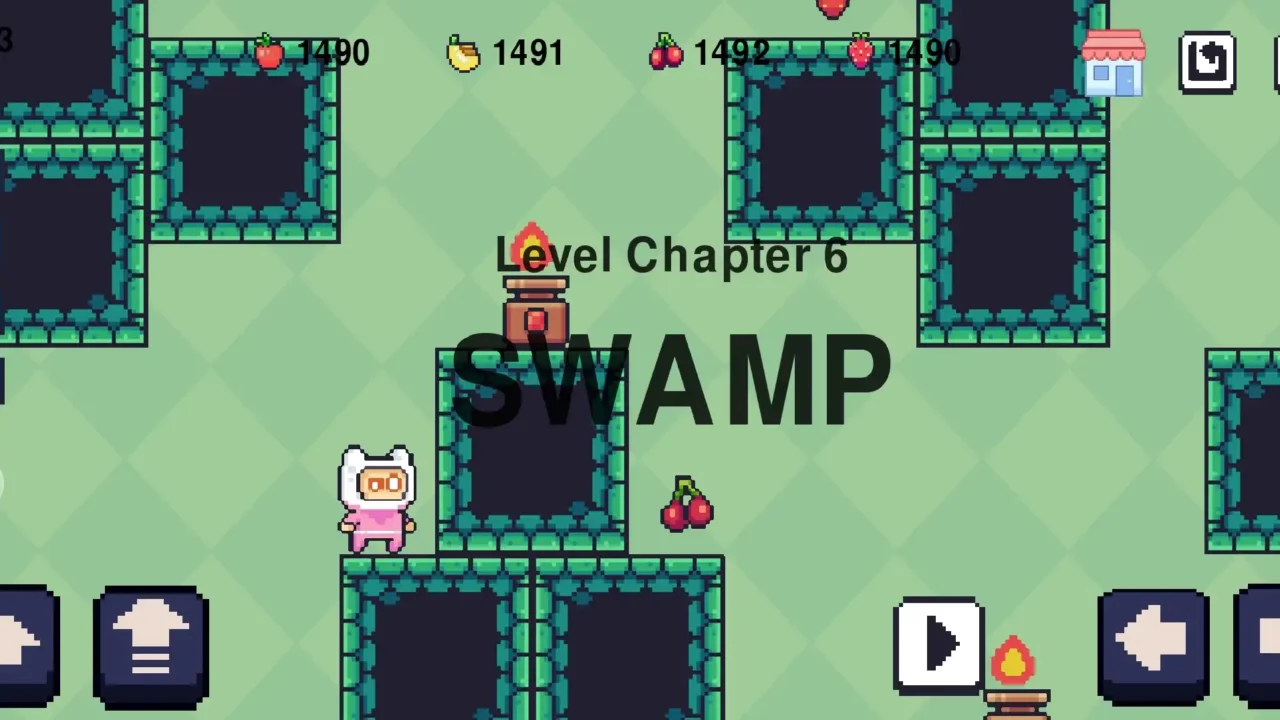
The Swamp chapter introduces green environments, collectibles, platforms, and fire hazards.
When someone finishes all 10 chapters of Skiptrace, I want them to feel what I felt watching that movie: a sense of accomplishment, of having gone somewhere and made it through. I want them to feel the connection to the journey the game was built around.
This game was made by one person, alone, on midnight internet data in Ghana. No budget. No studio. No shortcuts. Just two years of learning, failing, recovering, and finishing.
I hope that comes through when you play it.
Tenlands: Run, Jump, Survive
Formerly: Skiptrace
Release: April 25, 2026
Status: Discontinued
Genre: Story-Driven 2D Platformer, Adventure
Developer / Publisher: Evans Kofi / AlmightyPrime
Platforms: Android via Google Play
Related Reading
Fix Stories — Developer Stories
Fix Stories: I Always Wanted to Run a Band, So I Built One
Fix Stories: Where Spears & Spirits Came From
Written by Evans Kofi / AlmightyPrime for Fix Gaming Channel.
Send creator stories, corrections, tips, or game pitches to contact@fixgamingchannel.com.
Support independent games coverage on Ko-fi.