Old-school survival horror energy, with modern rough edges
Reviewed on PC.Score: 6.5/10
I’ve put nearly seven hours into this so far, and honestly, it has exceeded my expectations. It’s not without its growing pains — there are definitely moments of confusion and a few progression-halting bugs — but the developer responsiveness is what really stands out.
If you want another “classic horror DNA, modern execution,” read on the site, check out Dead Static Drive: Why I Kept Playing.
Seeing devs active in the forums and clearly taking player feedback makes me optimistic about the game’s future.
Combat & Technical Feedback
The combat can feel a bit clunky, mainly due to animation response times. For example, if you pull out your baton and try to swing too quickly, your character can just stand there for a second before the action registers. The same thing happens when trying to ready a weapon immediately out of a sprint. Tightening those windows would make the flow feel much more deliberate.
If you’re in the mood for a different kind of retro-leaning horror, the Athanasia demo review is also worth a read.
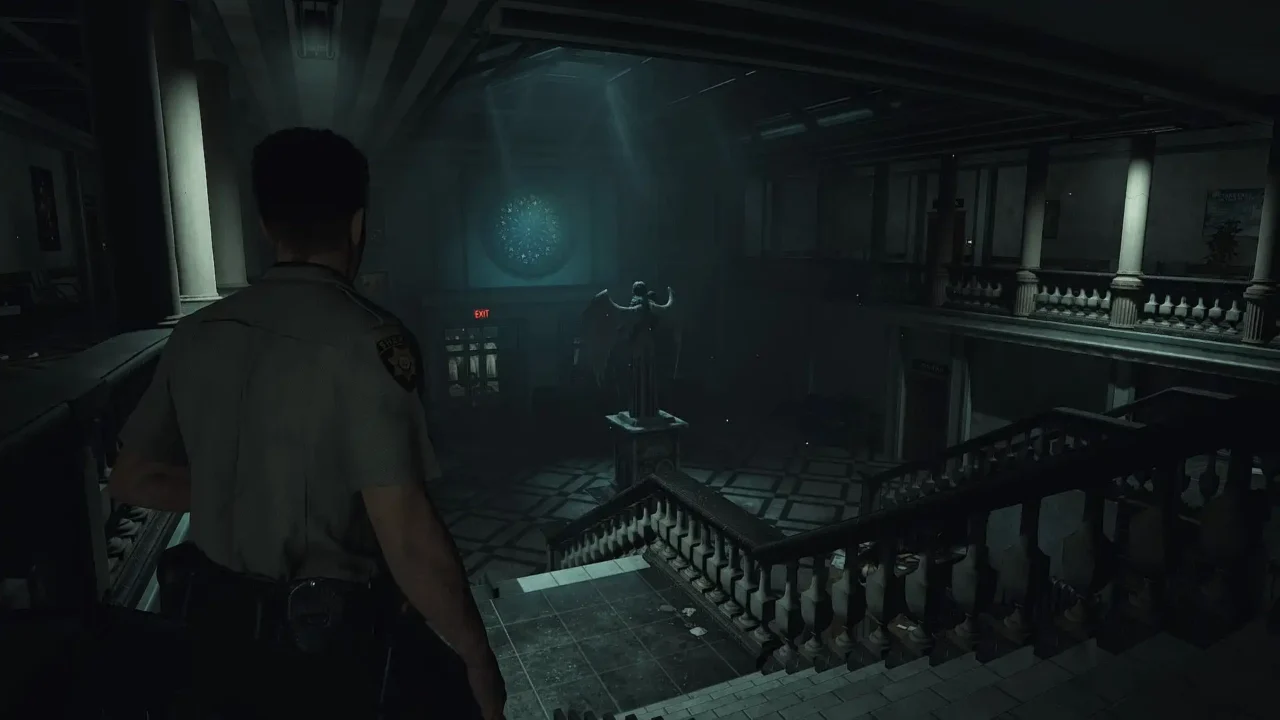
A blue-lit statue dominates a grand hall as the sheriff approaches.
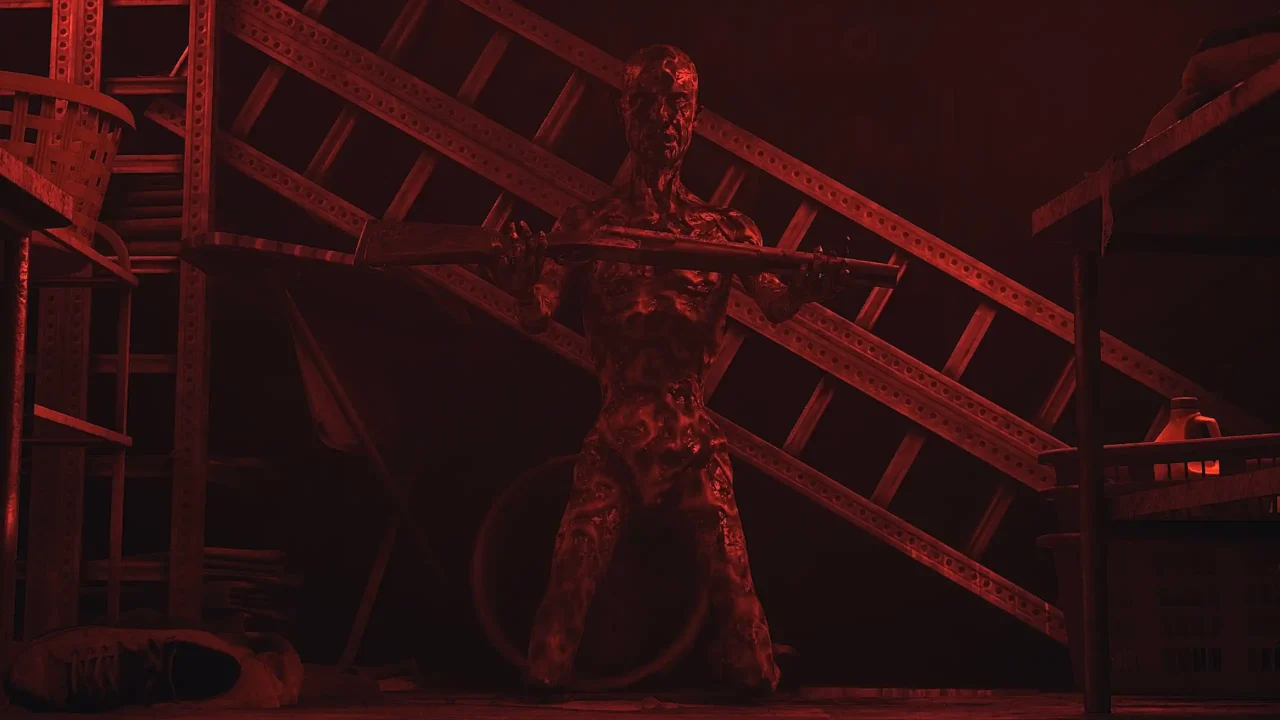
A red-lit figure grips a double-barrel shotgun beneath steel beams.
The camera angles can also be punishing. When you’re entering a room or clearing a doorway slowly, the camera often snaps into a jarring first-person perspective before resetting behind you. It’s not a dealbreaker, but it’s left me blindsided by enemies I literally couldn’t see because of the transition.
And yeah — there’s a glitch that should not be there: if you turn at the right angle, you can sometimes see inside closed rooms. That breaks the tension instantly, and in survival horror, tension is the whole point.
The Radio-Call Switch
I have to mention one immersion-breaking quirk I noticed: the radio-call tone shift. For most of the game, the protagonist is incredibly calm considering the nightmare they’re in. But the second they get on a radio call, it flips into full “action-hero on comms” mode — suddenly louder, more aggressive, and like it belongs in a different performance.
Beyond that, dialogue feels fairly limited in what I’ve played so far, so I’m not going to overjudge the performance/audio side yet. Most of the tension comes from the environments, lighting, and pacing — and that’s where the game does its best work.
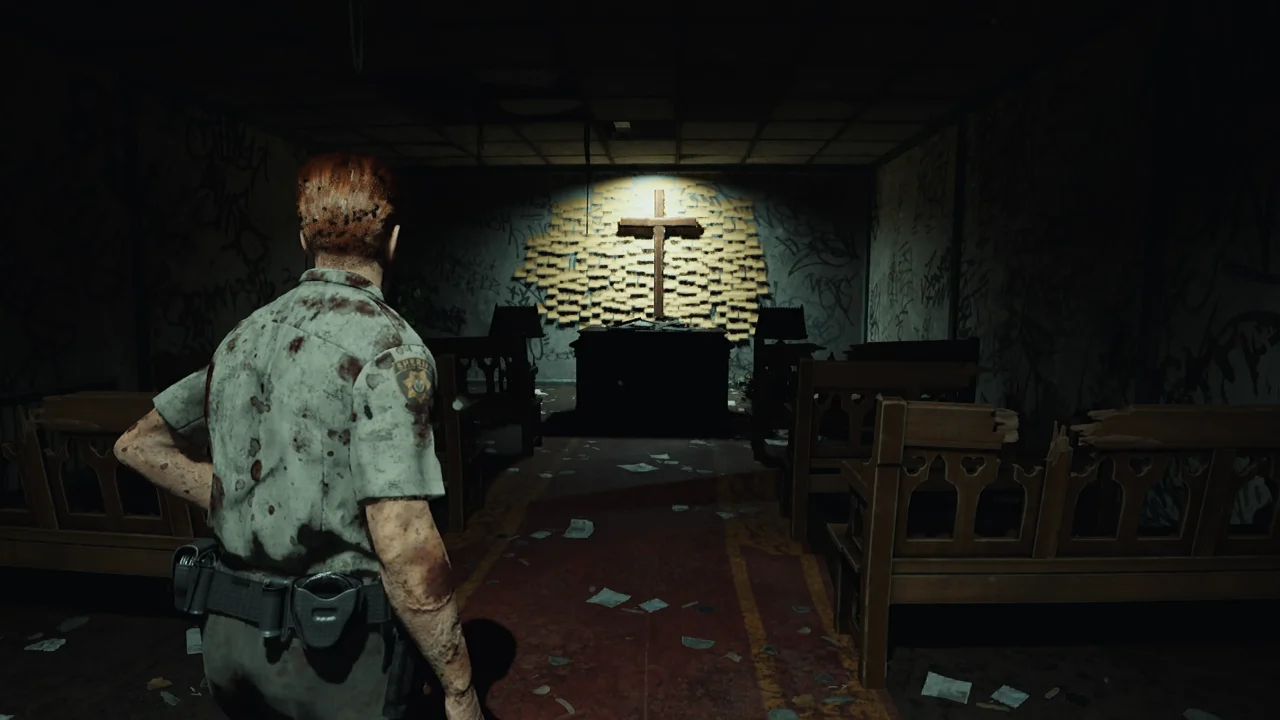
A makeshift altar and cross sit at the end of a ruined chapel room.
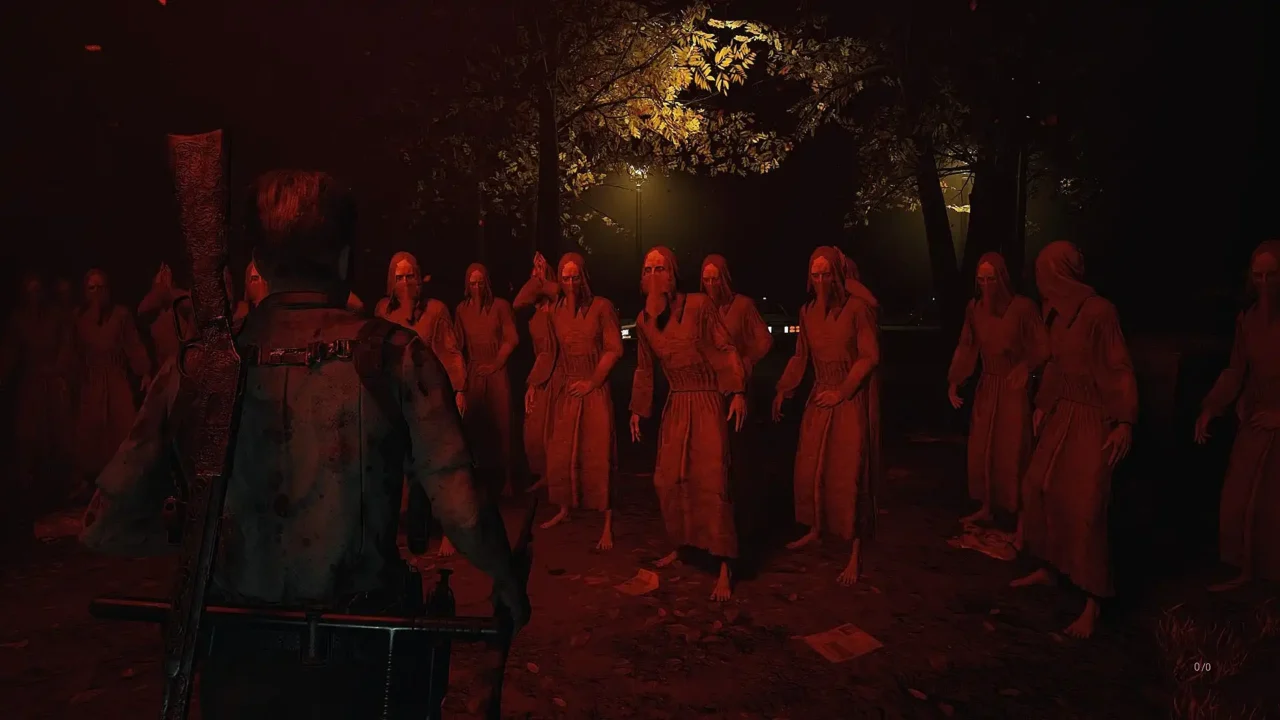
A circle of robed cultists closes in as the sheriff stands his ground.
Pros & Cons
Pros
- Nails that classic survival-horror mood (Resident Evil / Silent Hill energy)
- Atmosphere and visuals do a lot of heavy lifting
- Dev responsiveness is genuinely encouraging (fast updates + clear feedback loop)
- When it clicks, it feels like a strong foundation for something better over time
Cons
- Clunky combat timing (animation/response windows need tightening)
- Jarring camera snaps that can get you blindsided
- Progression-halting bugs and occasional confusion points
- Room-peeking glitch kills tension instantly
- Radio-call performance shift feels mismatched
Fear The Timeloop — Ultrawide Gameplay Video
Join Our Newsletter
Stay updated with the latest interviews, previews, and indie gaming news from Fix Gaming Channel.
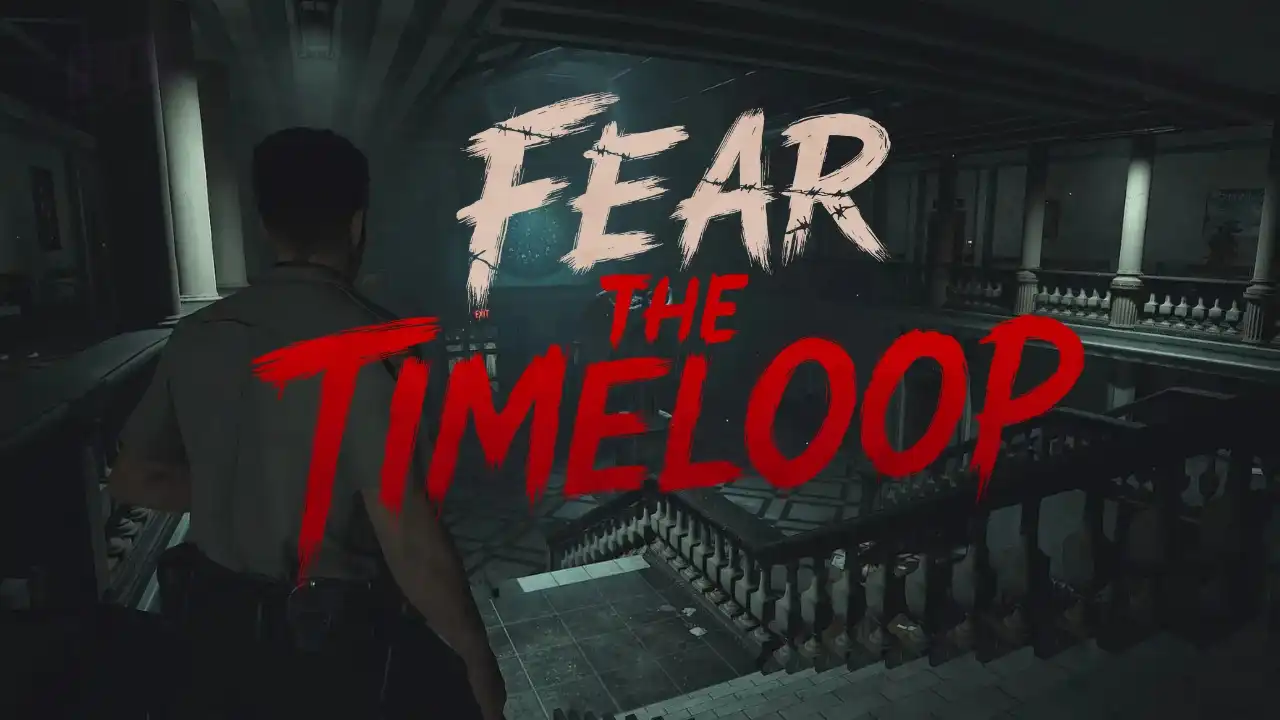
Fear The Timeloop
Release: 30 Jan, 2026
Genre: Survival Horror
Developer / Publisher: TacoEaters, PlayWay S.A.
Platforms: Steam
The Verdict
If you grew up on Resident Evil and Silent Hill, you need to check this out. It’s very reminiscent of those classics — capturing the vibe perfectly with much better visuals — without feeling like an insulting imitation.
Given how frequently updates are rolling out, I’m hopeful this will be a “must-have” title very soon. In its current state, it is absolutely worth the price tag — just go in knowing a couple of bugs can still slow you down.
Written by Ronny Fiksdahl, Founder & Editor of Fix Gaming Channel.
Enjoy our content? Support Fix Gaming Channel with a donation via
Buy Me a Coffee to help keep independent game journalism alive.