Why rising RAM and SSD prices hit PC gamers right in the gut
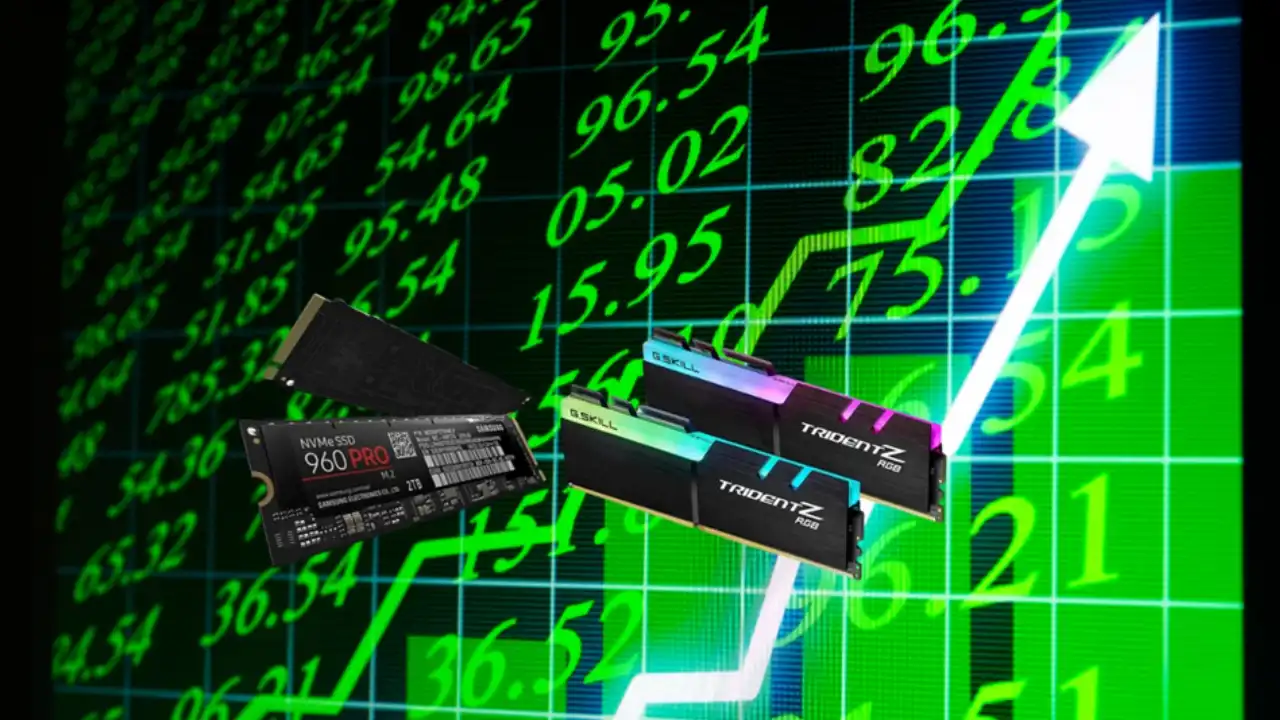
I’m writing this not as a dry market analyst, but as someone who’s wrestled with PC-build budgets, late-night upgrade plans, and that deeply relatable frustration when a “good deal” becomes shockingly expensive. That’s what’s happening now: what used to be a quick and affordable RAM or SSD upgrade, considering RAM and SSD prices, is turning into a painful choice.
- For years, consumer RAM and SSDs were cheap enough to upgrade whenever you had a little extra budget. Extra RAM for smoother multitasking, a bigger SSD for games and media, maybe a faster NVMe drive. Now, those upgrades hit you twice as hard.
- It’s especially rough if you were hoping to build or upgrade a mid-range gaming rig, which once cost “just a few hundred euros” but can now easily jump by 20–50% (or more), just because memory and storage parts are scarce and expensive.
- And the delay: you might wait weeks or months for favourable prices, but many expect that relief won’t come soon. Some memory-market watchers don’t see things easing until 2027 or later.
How prices have shifted for everyday builders
| Component | Example / typical product (2023–2024 era) |
Reported recent price (2025) / relative increase* |
|---|---|---|
| DDR5 / gaming-PC RAM kit (e.g. 16 GB × 2) | Around $80–$120 | +100% to +200% over a matter of months (Forbes reports) |
| High-capacity RAM (e.g. 64 GB DDR5 kits) | Roughly $250–$300 | Up to around $600 in some cases (≈ +100–150%) |
| Consumer / client SSD (NAND flash, TLC/QLC) | 1 TB SSD for general consumer use (average price range) | Price increases reported at roughly +50–100% depending on model and capacity |
| Enterprise / data-centre SSDs | — | Contract prices rose around 25% quarter-on-quarter in 2024 as AI demand surged (TrendForce) |
*These are broad, market-level shifts based on recent reporting and may vary between regions, retailers, and specific SKUs.
Join Our Newsletter
Stay updated with the latest interviews, previews, and indie gaming news from Fix Gaming Channel.
A major sign: Crucial is exiting the consumer market
In a move that shocked many in the PC-building community, Crucial — long a go-to for budget-friendly RAM and SSDs — is shutting down its consumer-facing business. Final retail shipments are set to cease by February 2026.
Why? The parent company, Micron, says it’s reallocating capacity toward memory and storage for AI and data-centre clients, which generate higher margins and consume far greater volume.
In human terms, that means one less reliable, budget-friendly brand on the shelves — fewer choices, more scarcity, and even higher prices for RAM and SSDs going forward. For the average gamer or DIY-builder, that’s a blow.
In some community reactions on Reddit, people expressed it pretty plainly (source):
“RIP Crucial 🙁 … RAM prices aren’t coming down any time soon.”
It feels like the end of an era — and maybe the start of a new one where building or upgrading a PC costs significantly more.
The big picture: AI is eating your RAM (and SSD) budget
Everything ties back to one overarching force: AI.
- The surge in memory and storage demand is driven by large AI and data-centre projects needing vast amounts of DRAM and high-density NAND or other flash technologies.
- Manufacturers are responding by prioritising production for enterprise and AI-optimised memory (like high-bandwidth memory, or HBM), which yields higher profit margins at the expense of the commodity DRAM and NAND used in PCs.
- The result: memory inventories have shrunk. Some reports suggest DRAM supply is down to just a few weeks globally, versus historically much larger buffers.
- And until the industry ramps up new fabs — which takes years — the squeeze likely continues. Most forecasts expect high prices and shortages to persist into 2026 and maybe even until 2027.
What this means for you – and what you can do
If you care about building or upgrading a gaming PC (or any PC), this all has a very real impact.
- If you can, upgrade now. Waiting seems likely to hit you with higher prices or limited availability.
- Be flexible with specs. Maybe that means lower-capacity SSDs, or reusing old RAM and SSDs for a while longer — skip the “go big or go home” urge if your budget is tight.
- Watch for restocks and smaller brands. As big players exit or cut back, you may find better value from lesser-known names. Just expect increasingly “premium” pricing even there.
- Budget with a cushion. Even GPUs and other components might see price pressure, since limited memory supply also affects GPU manufacturing costs and prebuilt system specs.
Why it’s not just a “gamer problem”
This isn’t only about PC gamers. The memory shortage ripples throughout the entire tech ecosystem: laptops, workstations, enterprise servers, cloud providers, and even consumer electronics like phones and tablets. Many of these segments now compete for the same limited pool of DRAM and NAND.
The shutdown of Crucial’s consumer business is symbolic. It shows how powerful the push for AI infrastructure has become — powerful enough to push a long-standing, budget-friendly brand out of the consumer market entirely. For everyday PC builders, it’s a reminder that the hardware world is being reshaped around priorities that don’t always include us.
Related reading on Fix Gaming Channel
- Why Your New Game Keeps Crashing on PC — How to Stop It
- Seven 32:9 Super Ultrawide Games You Need to See in 5K
Written by Daniel Józef Sarach for Fix Gaming Channel.
Enjoy our content? Support Fix Gaming Channel with a donation via
Buy Me a Coffee to help keep independent game journalism alive.