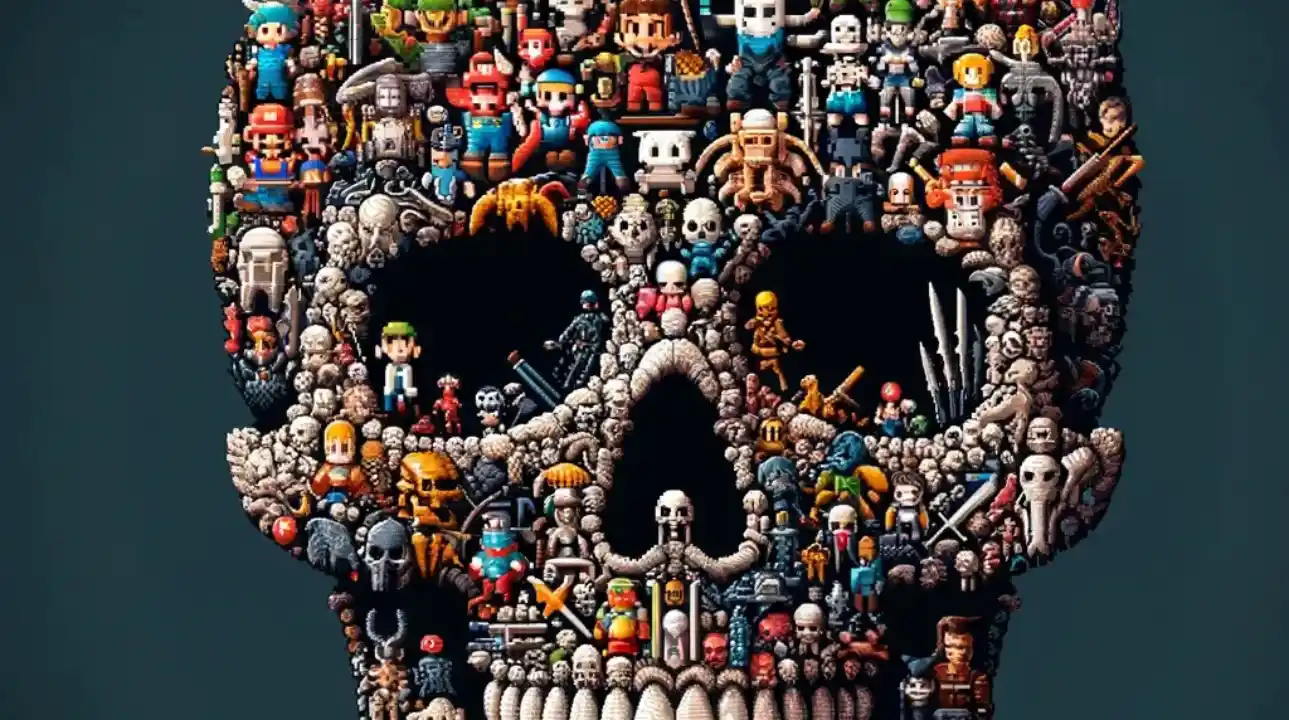
Gaming is our passion—but sadly, that also makes us prime targets for malware. What started decades ago as harmless computer pranks has evolved into serious threats that can wipe game accounts, steal financial info, and ruin hardware.
How It All Began: The Origin of Computer Viruses
Join Our Newsletter
Stay updated with the latest interviews, previews, and indie gaming news from Fix Gaming Channel.
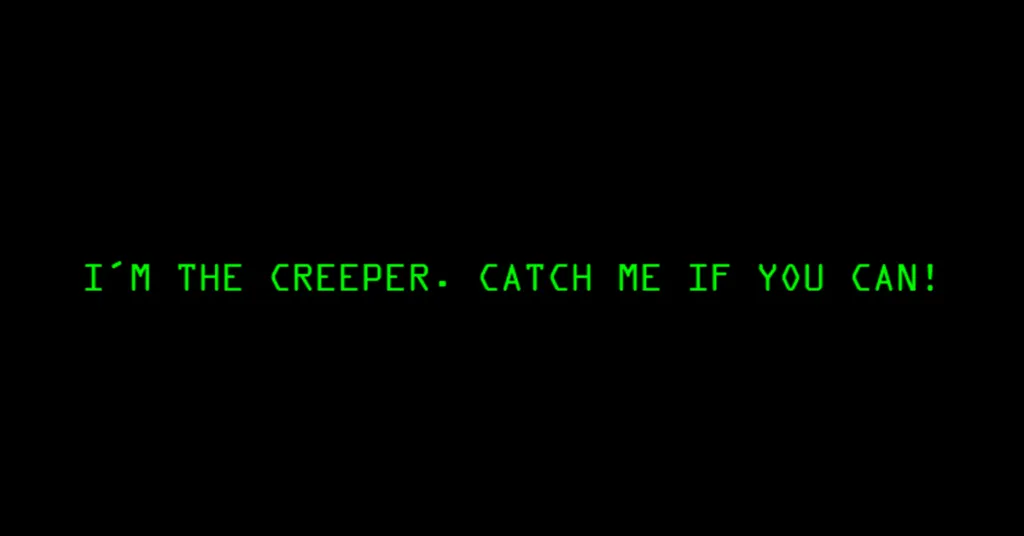
The first computer virus, Creeper (1971), was a playful experiment, hopping between systems with the message “I’m the creeper, catch me if you can!” Then came Elk Cloner (1982), spreading via Apple II floppy disks and infecting home computers. The gaming world felt real pain with the CIH (Chernobyl) virus (1998), which permanently damaged PCs, showing how far malware had evolved.
Recent Gaming Hacks (2024–2025)
- HTTPBot Botnet Attacks: In April 2025, a new botnet called HTTPBot targeted major gaming companies with over 200 DDoS attacks, disrupting logins and payments.
- Wemix Blockchain Breach: In Feb 2025, the Wemix blockchain gaming platform was hacked, resulting in $6 million in losses.
- Anime-Themed Malware Surge: Over 250,000 malware attacks disguised as anime content were reported between 2024–2025, exploiting popular fandoms.
- Malicious Steam Demo Pulled: In March 2025, Valve removed a Steam game demo (“Sniper: Phantom’s Resolution”) after it was found to contain info-stealing malware.
- Game Freak Data Breach: Late 2024 saw Pokémon developer Game Freak hacked, leaking staff details and secret Switch 2 information.
Gaming Under Attack: Major Incidents
Trojans and Cheats
- NetBus Trojan (Late 1990s): Hidden in games, granting attackers remote access.
- World of Warcraft Trojans: Stole accounts and in-game assets.
Platform Hacks
- Sony PSN Hack (2011): Exposed data of 77 million users and caused major disruptions.
- Steam Hijacks (2015): Around 77,000 accounts stolen monthly.
Malware in Mods
- GTA V Angry Planes Mod (2015): Installed keyloggers on players’ PCs.
- Fortnite Syrk Ransomware (2019): Fake cheat encrypted users’ files.
Why Gamers Are Easy Targets
Hackers exploit gamers’ excitement with fake cheats, mods, and free loot promises. These often come with hidden malware.
Real Consequences for Gamers
- Account Theft: Loss of rare items and progress.
- Financial Loss: Credit card fraud and stolen funds.
- Device Damage: Malware that disables or corrupts systems.
- Emotional Stress: Anxiety and frustration from losing hard-earned progress.
Stay Safe: Gamer Security Tips
- Use Trusted Sources: Download only from official stores and reputable mod sites.
- Don’t Trust Free Cheats: They’re often malware in disguise.
- Update Antivirus: Scan for malware regularly.
- Enable 2FA: Adds an extra layer of account protection.
- Strong Passwords: Use unique ones for each account.
- Stay Updated: Apply security patches for games and your system.
- Backup Data: Avoid total loss from ransomware or corruption.
- Spread Awareness: Help other gamers stay alert.
Final Thoughts
Gaming viruses have come a long way—from funny pranks to damaging attacks. Stay informed, protect your accounts and systems, and keep the fun in gaming without the grief. Game safe and game on!
Written by Ronny Fiksdahl, Founder & Editor of Fix Gaming Channel.
Enjoy our content? Support Fix Gaming Channel with a donation via
Buy Me a Coffee.
Your support helps us keep independent gaming journalism alive. Thank you!