
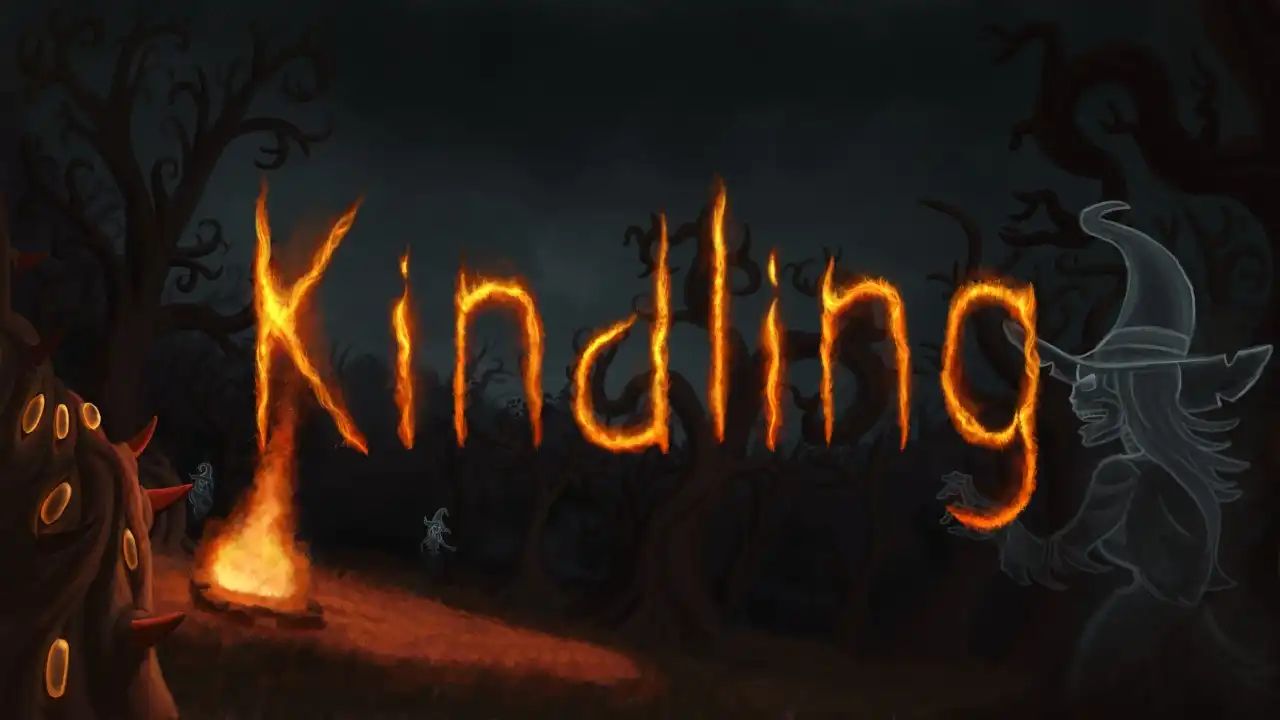
A tense one-hit roguelite where light is your only real safety
Kindling is a top-down action roguelite where you must break magical seals to escape a haunted forest. You use fire to survive, killing enemies to gather the embers they leave behind as you move through the darkness. Every run feeds into permanent growth, while death can come quickly and without mercy. There are no health bars or regenerative systems here. It is do or die as you wield fire magic against shadows, poisonous spiders, and eerie phantoms while trying to uncover the truth across repeated attempts.
As an early playtest build, it already shows a clear identity: fast, punishing, and focused. If you follow our broader Indie Dev Guides and our wider interview archive, this is the kind of project that stands out early because it already understands its own pressure, mood, and pacing.
Kindling – Boss Fight Trailer
Join Our Newsletter
Stay updated with the latest interviews, previews, and indie gaming news from Fix Gaming Channel.
Fast Runs, Brutal Punishment
Gameplay is simple in structure but demanding in execution, with runs built around trial, error, and immediate consequences. Levels encourage repeated attempts and new approaches, even when things feel unfair because you zigged instead of zagged or your timing on a fire spell was off by a fraction of a second. Everything kills instantly, which means your decisions need to be quick and reactive the moment combat begins. Positioning and timing are everything, and one mistake can leave you scrambling to create space before the screen closes in around you.
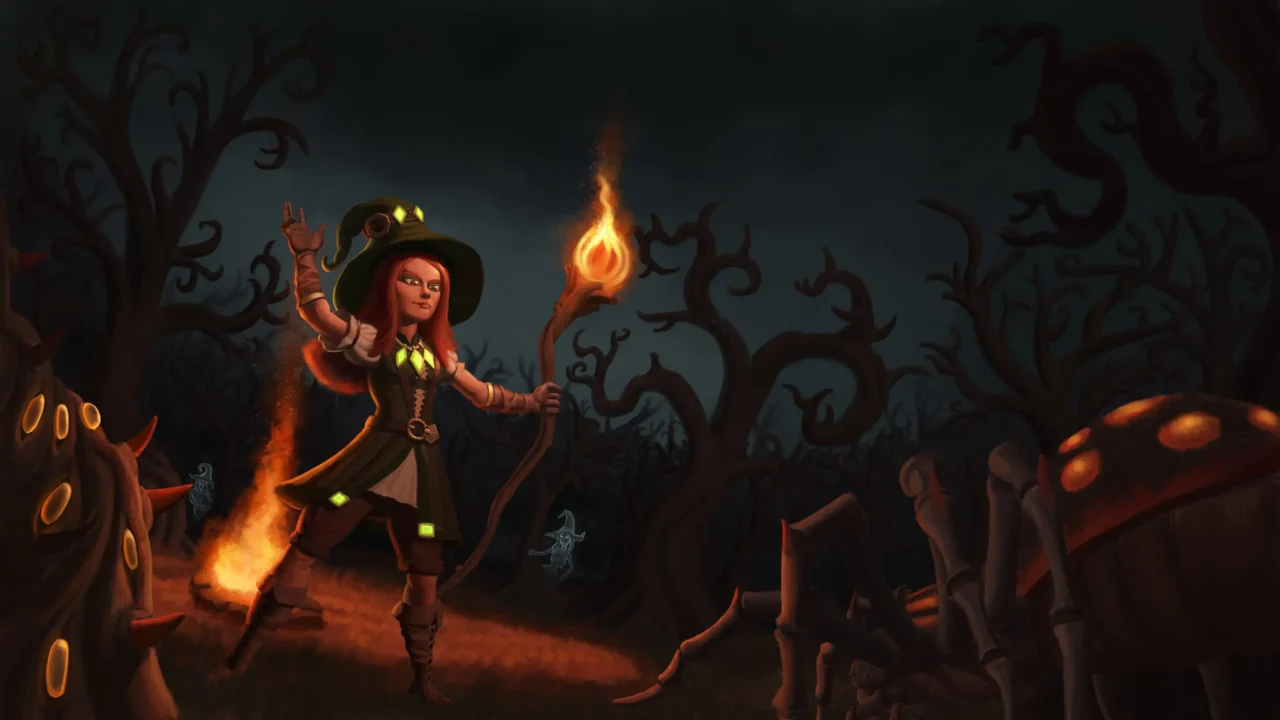
A witch stands ready with fire magic in the haunted forest world of Kindling.
Lighting pit fires at specific stone seals means you are attacking and defending at the same time. You need to hold off enemy waves long enough for the flames to break the magical seals that gate your progress. That tension gives the game its rhythm. The idea is simple, but in motion it works well, especially when the pressure builds and your focus narrows to a single bad step that could end the run.
Learning the Forest
Short runs can be frustrating, but the game has enough identity to keep pulling you back in. You start to notice where enemies emerge, how fast they close distance, and which routes give you the best chance of survival. Certain upgrades already feel meaningful too. Faster ranged fire casts, for example, can completely change how manageable a section feels once the pressure starts stacking up.
That is where Kindling works best right now. It nudges you into failure, then gives you just enough information to believe the next run will go better. For a game built around repeated deaths, that sense of incremental understanding matters a lot, and this early build already captures it.
The Kindling logo uses burning letters to match the game’s fire-driven identity.
Kindling
Release: March 2026 (planned)
Genre: Action Roguelite, Top-Down, Dark Fantasy
Developer / Publisher: Talonbyte Games
Platforms: PC, macOS, Linux (Steam)
A Strong Atmospheric Hook
Visually, Kindling is one of those indie projects that immediately sells its mood. Its animated look has a stylised charm that feels a little like a dark children’s storybook, but with enough contrast and glow to keep the action readable. Fire and lighting effects are especially strong, making your abilities feel impactful while also reinforcing the central idea that light is survival. Ghostly faces pushing out from the trees and the faint glow of the trail ahead help the forest feel eerie without losing clarity.
The female voiceover and eerie music add even more to that atmosphere, giving the game a moody, haunted tone that suits the setup well. Even in this early form, Kindling already feels cohesive. It knows what mood it wants, and for the most part, it lands it.
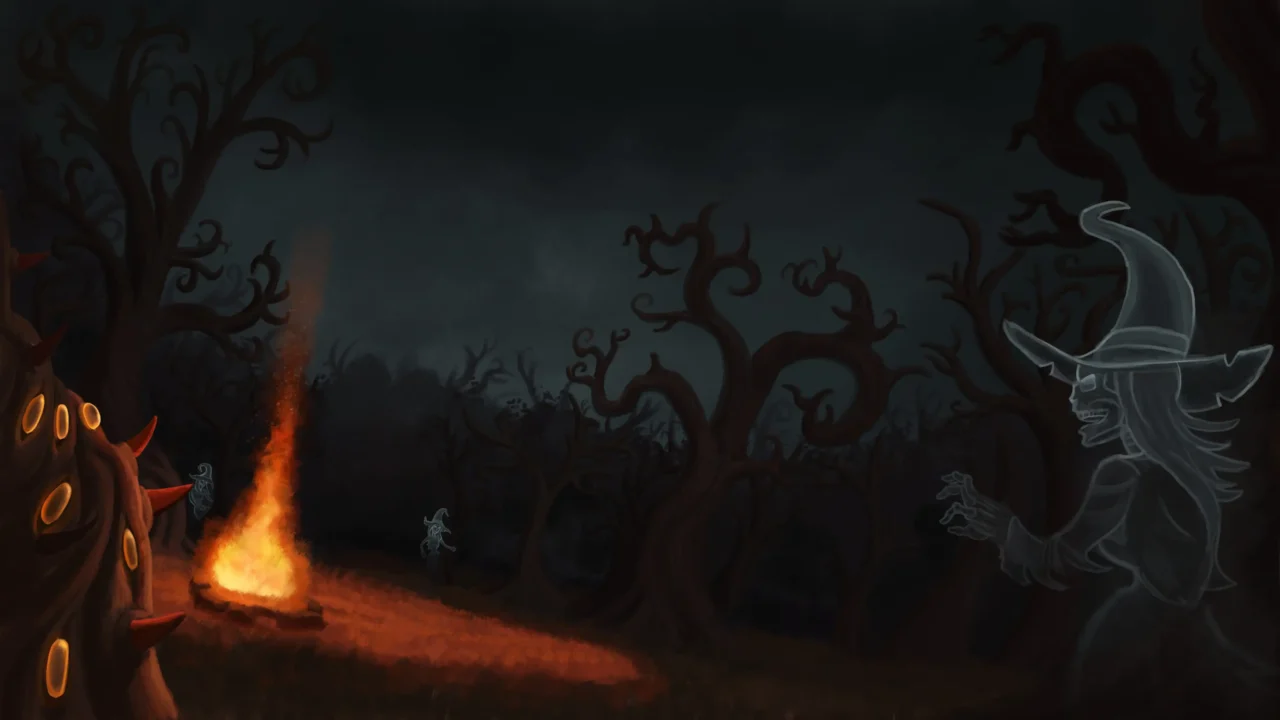
A ghostly witch watches over the dark forest in this eerie Kindling background image.
Early Verdict
As a playtest, Kindling already has a solid hook: one-hit pressure, clean fire-based mechanics, and a forest setting that carries real atmosphere. Some runs can feel abrupt and punishing, but that is also part of the game’s identity. For players looking for an approachable entry point into the roguelite space, or simply a stylish indie project with a clear gameplay loop, this feels like one worth keeping an eye on.
Related Reading
For more developer-focused features, browse our Developers section, or check out Art in Games for more creative-side coverage from the industry.
Written by Aidan Minter, Writer at Fix Gaming Channel.
Send interview pitches, corrections, tips, or developer stories to contact@fixgamingchannel.com.
Support independent games coverage on Ko-fi.