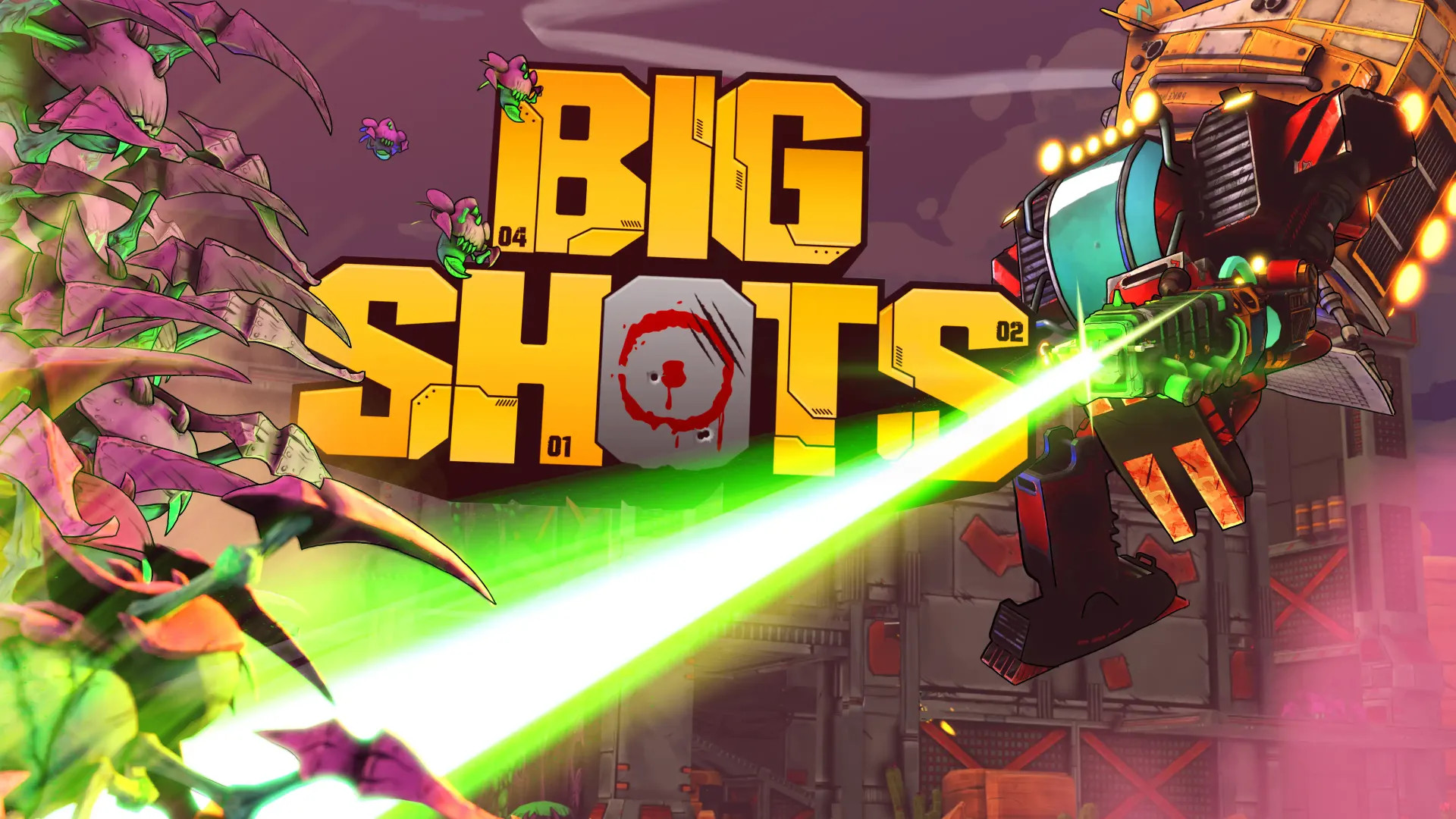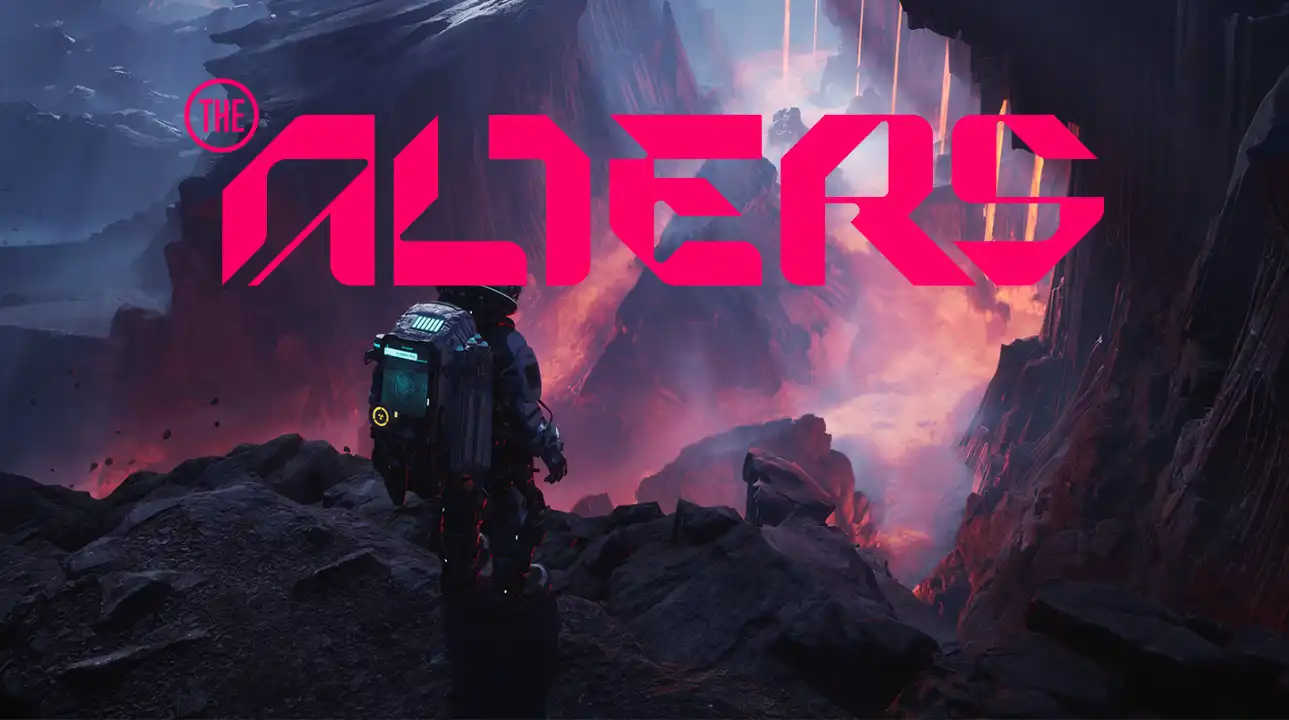
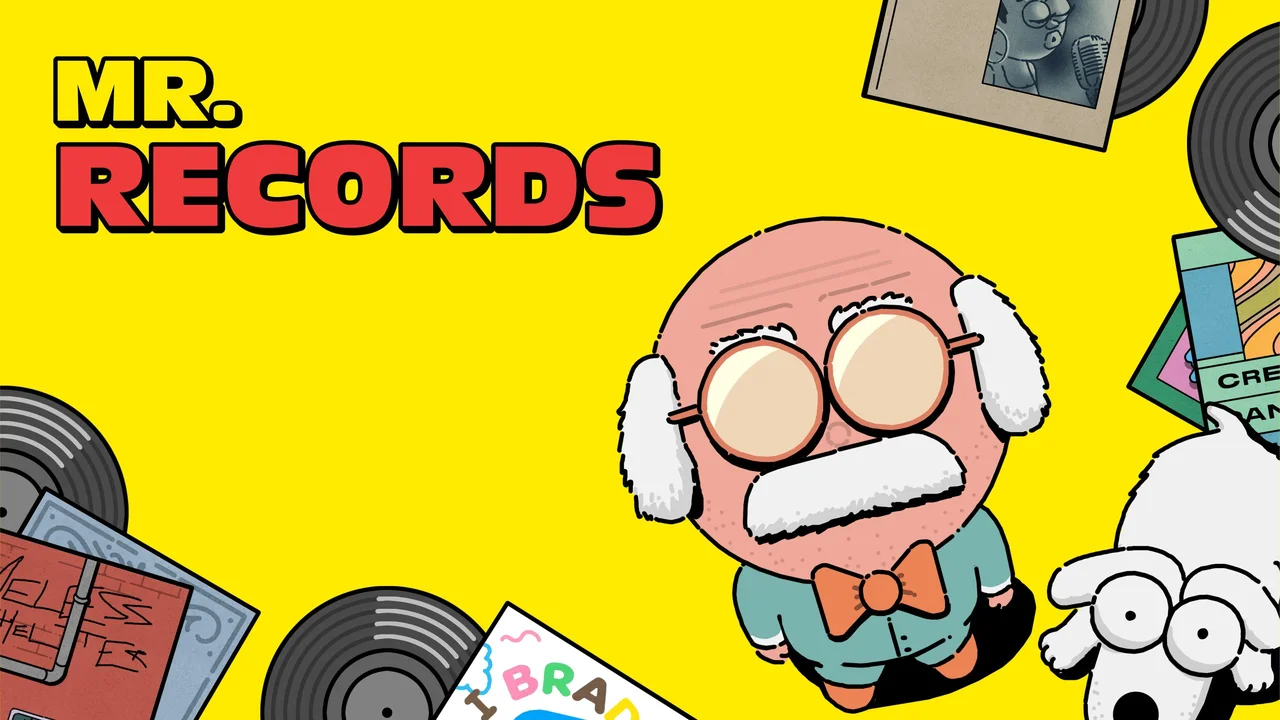

A new PC-only subscription service from indie.io is betting that a tighter indie focus can help smaller games reach more players.
Indie Pass, a new subscription service from indie.io, is set to launch on 13 April 2026 for $6.99 per month. At launch, it is set to offer access to more than 70 games through a dedicated PC launcher, giving players an indie-only catalogue rather than a broader all-purpose subscription library.
That alone makes it notable. The bigger point, though, is what this could mean for visibility. Smaller games are constantly fighting for attention, even when they have a clear hook or real quality behind them. That is part of the same wider issue we touch on regularly at Fix Gaming Channel, whether that is in features like 5 Indie Games to Watch or in stories about how hard it is to convert interest into wishlists and momentum.
According to the official FAQ, Indie Pass will be available globally, will be limited to PC at launch, and plans to add games frequently over time. The platform also says some titles may appear on Indie Pass at the same time they launch on Steam and other storefronts, which gives the service a little more weight than a simple back-catalogue bundle.
Indie Pass Trailer
Join Our Newsletter
Stay updated with the latest interviews, previews, and indie gaming news from Fix Gaming Channel.

Wide banner artwork for Indie Pass, the new PC-focused subscription service for indie games.
Why this matters for developers
On the developer side, indie.io is presenting Indie Pass as a non-exclusive, additive revenue stream. In simple terms, the pitch is not that developers should replace Steam or other storefronts, but that they can use Indie Pass alongside their existing strategy, whether that means launching there from day one or adding the game later in its lifecycle.
That part is important. A lot of indie teams do not need another platform that forces an either-or decision. They need another place where a game can keep earning, keep being seen, and keep finding players after the first launch window has passed. If that part works, Indie Pass could end up being more useful as a long-tail support tool than as a headline-grabbing consumer product.

The official Indie Pass logo.
Reporting around the launch also says that developers in the programme will earn revenue based on player time spent in each game. That is an interesting model, but also one that will be watched closely. It may reward games that hold attention over longer sessions, but the bigger question is whether that structure ends up helping a broad range of indies, or mainly the ones that naturally fit longer play patterns.
The real test is not the price, it is the visibility
There is no shortage of subscription services in games, and players already know the names at the top of that pile. What gives Indie Pass a clearer identity is that it is focused entirely on indie titles. That makes the service easier to understand immediately, but it also sets a higher bar for curation. If people are paying monthly for an indie-only service, the catalogue has to feel carefully chosen rather than simply full.
For developers, the bigger issue is whether inclusion actually leads to meaningful attention. That is the same broader challenge behind stories like Over the Hill gaining 650,000 wishlists in 10 months. Reach matters, but how a game is surfaced, framed, and kept visible matters just as much. Another catalogue alone does not solve that.
That is why Indie Pass is worth watching. Not because it copies an idea players already know, but because it is trying to narrow the focus and give indie games a space built around them. If that turns into real visibility and steady extra income for smaller teams, it could become something meaningful. If not, it risks becoming just another launcher full of good games that still struggle to be seen.
Related Reading
Written by Ronny Fiksdahl, Founder & Editor-in-Chief at Fix Gaming Channel.
Send interview pitches, corrections, tips, or developer stories to contact@fixgamingchannel.com.
Support independent games coverage on Ko-fi.