







Every extra reply takes time away from playing and covering games
As a creator, journalist, and editor at Fix Gaming Channel, I can spend hours a day replying to individual emails just to get review keys. That is time spent arranging access before I have even started assessing a game.
If you have researched the outlet, verified the contact, and have a build ready for review, make access part of the pitch. Aidan Minter has covered the importance of targeting the right press and creators. My point starts at the receiving end: once you have chosen to contact me, why make me chase the key?
Steamworks: choosing the right type of key
Watch Steamworks Quick Tips — 3 Types of Steam Keys
More practical advice from both sides of the inbox
Get developer interviews and independent games coverage from Fix Gaming Channel.
Join Our Newsletter
Stay updated with the latest interviews, previews, and indie gaming news.
The email exchange is part of the workload
“Let me know if you would like a review key” sounds like a small request. For the person receiving it, it means another reply, another wait, and another thread to return to. Repeat that across an inbox and it takes time away from the work you contacted us to do.
A key in a relevant pitch lets me assess whether I can take a closer look when I have time. Making access dependent on a separate conversation adds another task before I can reach that decision.
A Misleading Subject Line Doesn’t Help Anyone
Here’s another example of something I regularly encounter.
An email arrives with a subject line such as:
“Your game: a free Steam key for Fix Gaming Channel”
That sounds straightforward. A developer or publisher is offering us a game key to consider for coverage.
But I open the email, read through an entire press release, and discover there is no key included. Instead, I have to reply to request access.
Sometimes I even have to explain who we are, what Fix Gaming Channel does, and what kind of coverage we provide.
Why?
If you’ve already decided to contact a gaming publication, shouldn’t you have done that research before sending the email?
Using our publication’s name in the subject line doesn’t necessarily mean the sender understands who they’re contacting.
And if the subject line promises a free Steam key specifically for our publication, but no key is provided, that is misleading, whether intentional or not.
There is nothing wrong with sending a press release. That’s part of how the gaming industry communicates with the media.
But a press release and an offer of review access are not the same thing.
When an email promises access, yet requires another conversation just to obtain it, the subject line has created an expectation that the contents don’t fulfill.
For a developer, that’s one email. For an editor receiving pitches throughout the day, it’s another unnecessary exchange.
Research your recipient, be clear about what you’re offering, and make the process as straightforward as possible.
It saves time on both sides.
The Developer’s Perspective
Brian Marshall, solo developer at Echorithm and creator of Labyrinth RPG, explained why he initially offered a review key on request rather than including one in his pitch.

Labyrinth RPG logo.
“My thinking was to offer a key first and see whether the game interests you. As a solo developer, I like having a conversation with the people who try my games. If someone wants a key, that opens the door to sending it and following up later to ask whether they tried it and have any feedback or suggestions.”
“I understand that including the key upfront saves you an extra exchange, too.”
Marshall’s explanation shows why developers may prefer a conversation first, even when the extra step adds time for press. Both approaches have a purpose; clear, targeted access lets each side decide how to proceed.
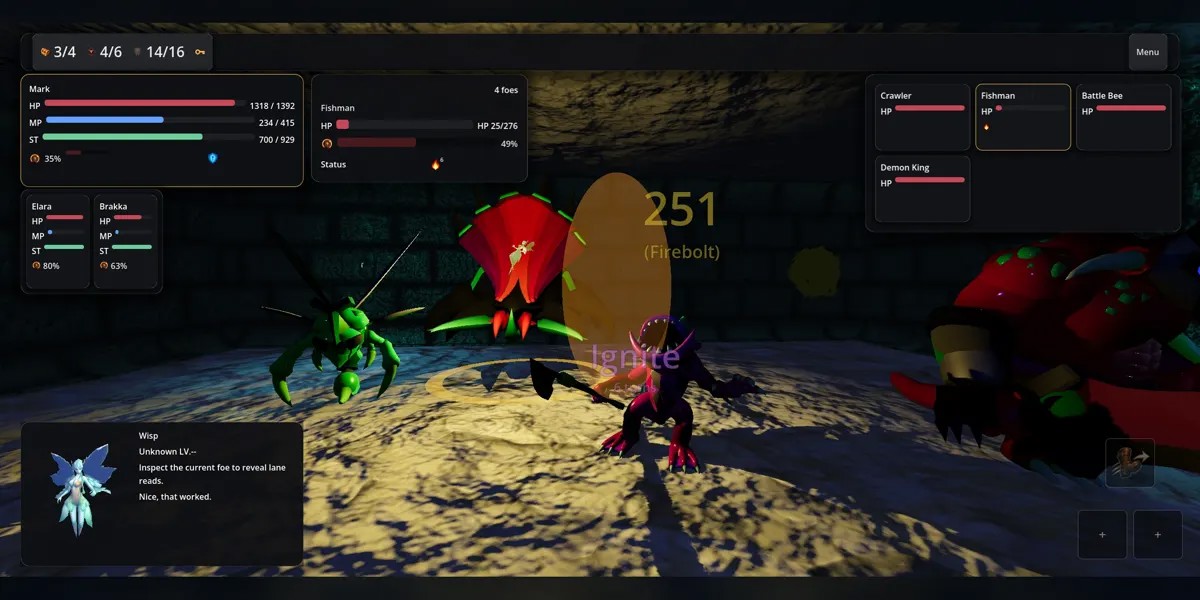
A combat encounter in Labyrinth RPG.
Verify the person, then make access straightforward
Check the outlet’s current coverage and contact details. Make sure the person still works there and covers games like yours. If they publish a submission process or prefer a particular key platform, use it.
For a verified recipient who accepts keys directly, send an individual key with the pitch when your build is ready and you have an allocation available. Do not send one shared code to a list of people. If access is not ready, say when it will be available.
That protects your time too. Clear access information means fewer requests for details you could have supplied in the first email.
Tell me what the key opens
Keep the pitch short, but include the game’s name, a useful description, the store page, platform, press kit, build status, and any relevant timing. Label the key clearly: full game, demo, DLC, or soundtrack. A code without that context can create more questions.
For pre-release Steam coverage, check that the key permits access before launch. Valve’s documentation distinguishes Default Release keys from Release State Override keys, which can provide pre-release access for press. Sending the wrong type defeats the point.

Steamworks branding, shown for context. Credit: Valve.
If you need an embargo agreed, ask and get agreement. Including a date in an unsolicited email does not tell you that the recipient has accepted it.
A review key does not reserve coverage
Providing access makes assessment easier. It does not reserve space in the publication, book a video, or guarantee a positive opinion.
An unredeemed key cannot tell you why someone has not covered the game. A redeemed key does not establish that an article has been assigned. Even after playing, an editor or creator may decide not to cover it.
A brief follow-up is reasonable. Treating coverage as a debt owed for a key is not.
Protect the keys without adding needless work
I understand the concern about review-key abuse and resale. Valve warns that scammers impersonate journalists. Verify addresses and keep a record of who received each key. That is a reason for careful targeting.
My request is simple: once you have done those checks and decided to pitch someone, make the next step easy. Your time is valuable. So is the time you are asking a journalist or creator to spend with your game. Give us what we need to assess it, and let us get on with the work.
Related Reading
Streamers and Press — Combining Strategy
Giveaway and Review Key Abuse: How It’s Hurting Developers, Gamers, and Communities
Written by Ronny Fiksdahl, Founder & Editor-in-Chief of Fix Gaming Channel.
Send interview pitches, corrections, tips, or developer stories to contact@fixgamingchannel.com.
Support independent games coverage on Ko-fi.