A looping corridor horror that turns déjà vu into dread
Reviewed on PC.Score: 7/10
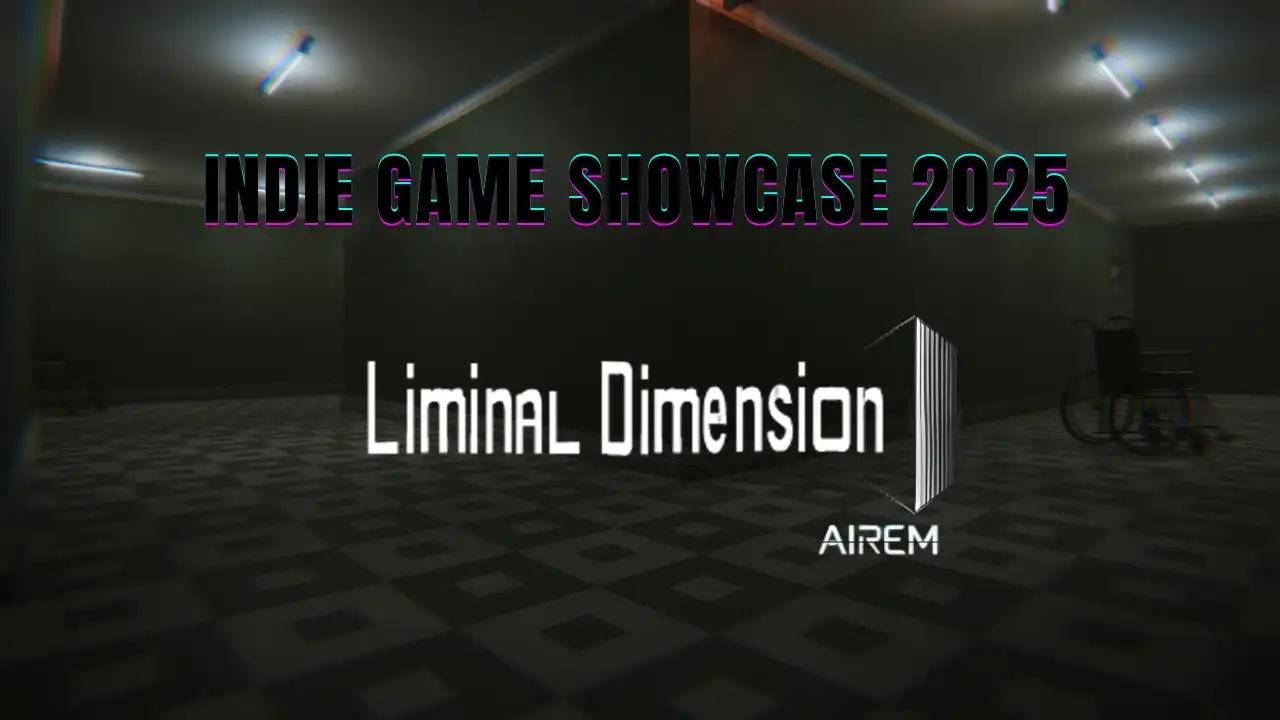
As part of our Indie Game Showcase 2025 hub, I spent some time with The Liminal Dimension — a compact psychological horror that makes one simple space feel increasingly hostile the longer you stay inside it.
Reviewed on PC.
If you’re following our year-end coverage, the Fix Gaming Channel Giveaway is also live — and a good excuse to keep sampling smaller horror releases that don’t need a 40-hour commitment to make an impression.
The loop hooks you fast
Looping hallways and walking simulators are a match made in horror heaven, and The Liminal Dimension leans into that pairing with confidence. The setup is simple: you wake up, you’re disoriented, and the only direction that makes sense is forward — even when “forward” is the same corridor you just walked.
What makes the opening work is how quickly the game convinces you that something is off. The hum of the space, the sterile lighting, the absence of other people — it all feels deliberately empty. Then the game starts shifting small details between loops, and you begin watching the walls like they might blink.
The Liminal Dimension — Gameplay Video
Join Our Newsletter
Stay updated with the latest interviews, previews, and indie gaming news from Fix Gaming Channel.
There’s a light layer of story framing (enough to give your “why am I here?” a shape), but the real driver is atmosphere. You’re not being asked to memorize lore; you’re being asked to stay calm while the environment quietly argues with your sense of direction.
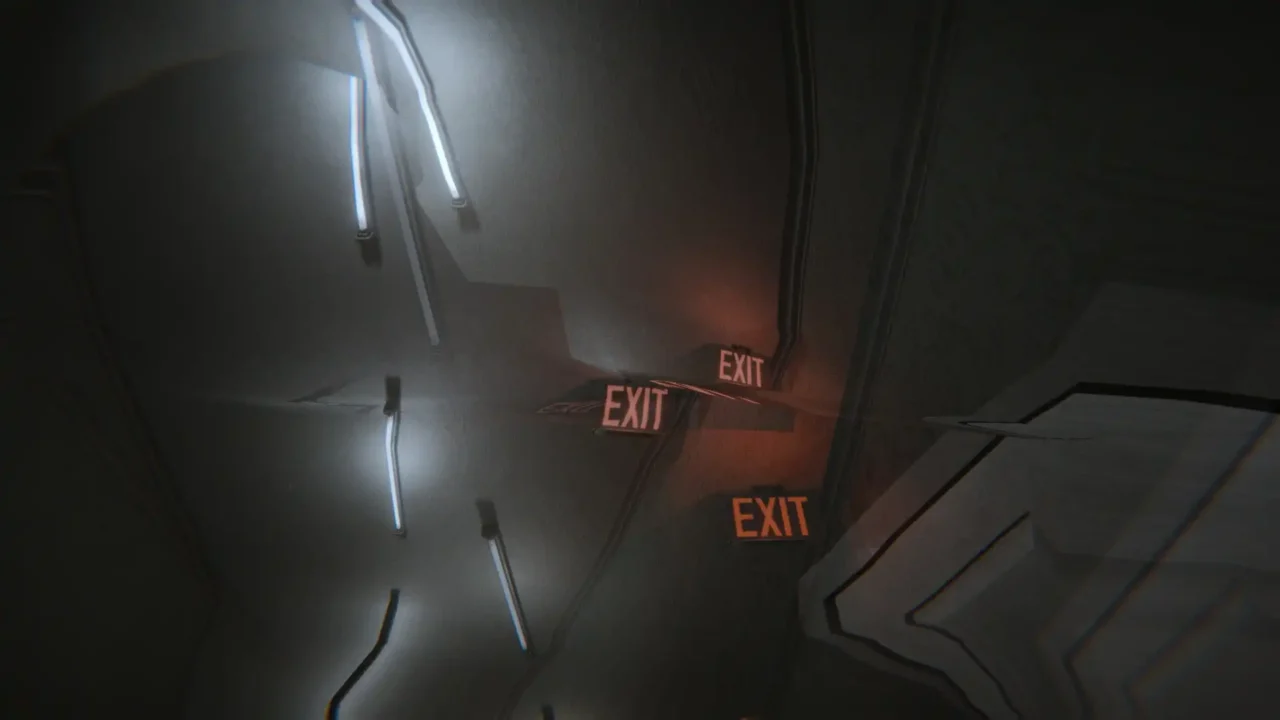
Reality bends as EXIT signs repeat and drift out of place.
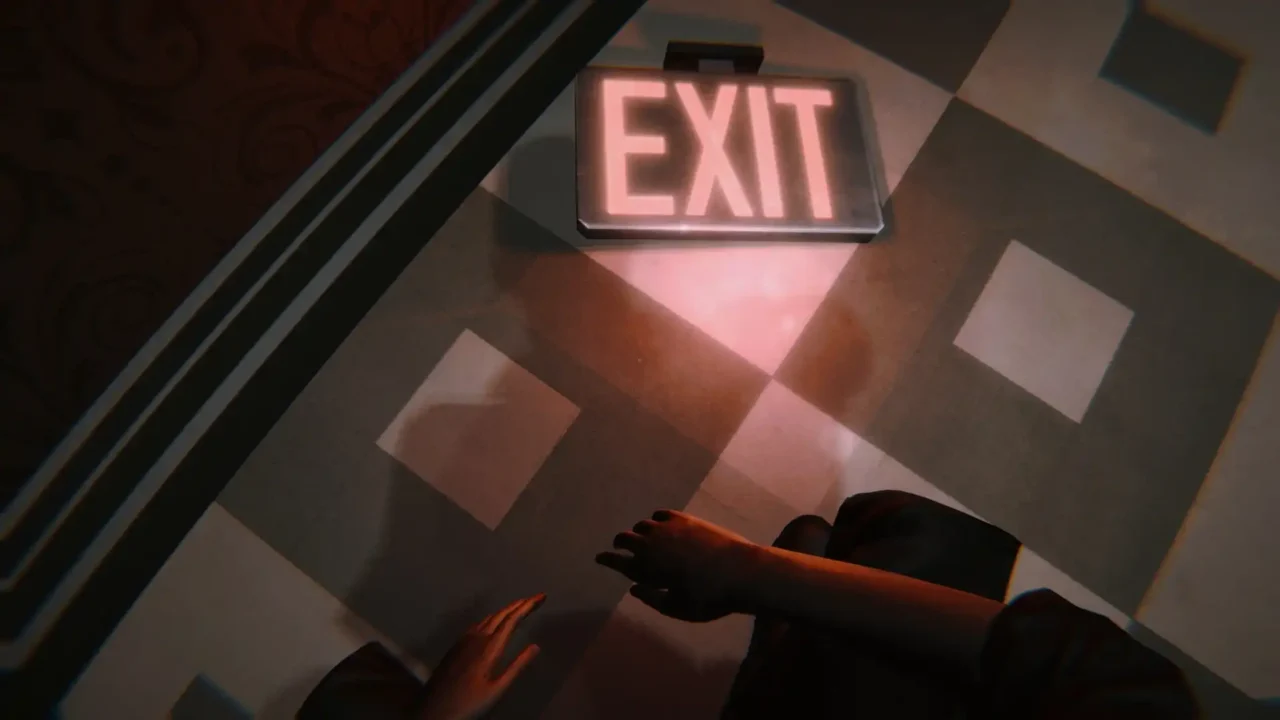
First-person view under an EXIT sign, with the floor pattern adding to the unease.
The early chills
Early on, the corridor becomes a puzzle in disguise. The exit can move. The “safe” route can stop being safe. Doors that used to feel like background textures start feeling like threats. Even when nothing jumps out, the game makes you expect it — and that tension is the point.
I liked that the game stays relatively light on overt story dumps. You’ll spot notes and hints that suggest a broader situation, but they don’t smother the experience. Instead, the design keeps steering your focus back to the hallway itself: what changed, what didn’t, and what you might have missed because you were too busy trying to reach the end.
Every slow walk between endpoints becomes its own little stress test. You start checking both sides of the corridor out of habit, even when you know the doors won’t open — because in a game like this, the moment you stop checking is usually the moment something changes.
The Liminal Dimension
Release: November 27, 2024
Genre: Psychological Horror, Walking Simulator
Developer / Publisher: Airem / Airem
Sluggish at the end
The strongest stretch is the beginning and mid-game, when the rules still feel unstable and you’re learning how the space communicates. Toward the end, the pacing loses some bite. Once the game starts showing its hand more clearly, the fear shifts from “unknown” to “routine,” and a few sequences feel like they take a little too long to land their punch.
That said, I did appreciate the sense that something bigger is going on beyond the corridor — an antagonist, an entity, or at least an intelligence behind the loops. The game hints at it without turning into a full-on chase horror, and that restraint generally works in its favor.
Wanting more, needing less
Even with a flatter finish, The Liminal Dimension shows real strength in how it builds dread with minimal tools. When it’s at its best, it doesn’t need monsters to make you uneasy — it just needs repetition, a few wrong details, and the feeling that you’re being observed by the building itself.
If I could change anything, I’d trim some of the extras that pull attention away from the main loop. The core hallway concept is so strong that anything too “gamey” around it risks breaking the spell. Keep the experience tight, keep the tension high, and let the player’s imagination do the heavy lifting.
Overall, this is still an easy recommendation for fans of liminal horror and short, focused experiences. It’s worth a play, and it’s the kind of project that makes you curious what the developer does next once they push this concept into a broader, more polished finale.
Related reading
Written by Jake Boyette — Fix Gaming Channel.
Enjoy our content? Support Fix Gaming Channel with a donation via
Buy Me a Coffee to help keep independent game journalism alive.