






A Quiet Mystery Built Around Loss, Family, and Discovery
The Tragedy at Deer Creek is a cinematic point-and-click adventure from Sparrowland, set around an abandoned logging camp in Alaska where photographer Charlotte Gray uncovers a story shaped by family, sacrifice, hardship, and loss. For more developer conversations, visit our Game Developer Interviews section.
Ahead of its June 2026 launch window on PC via Steam, Fix Gaming Channel spoke with Sparrowland about exploration, atmosphere, cinematic storytelling, and the emotional weight behind The Tragedy at Deer Creek.
Thanks to Sparrowland, Fix Gaming Channel also has 5 Steam keys for The Tragedy at Deer Creek to give away. Giveaway details will be shared through our social channels and Discord.
The Tragedy at Deer Creek – Gameplay Trailer 2026
Join Our Newsletter
Stay updated with the latest interviews, previews, and indie gaming news from Fix Gaming Channel.
The Tragedy at Deer Creek
Release: June 2026
Genre: Point-and-Click Adventure, Mystery
Developer / Publisher: Sparrowland
Platforms: PC (Steam)
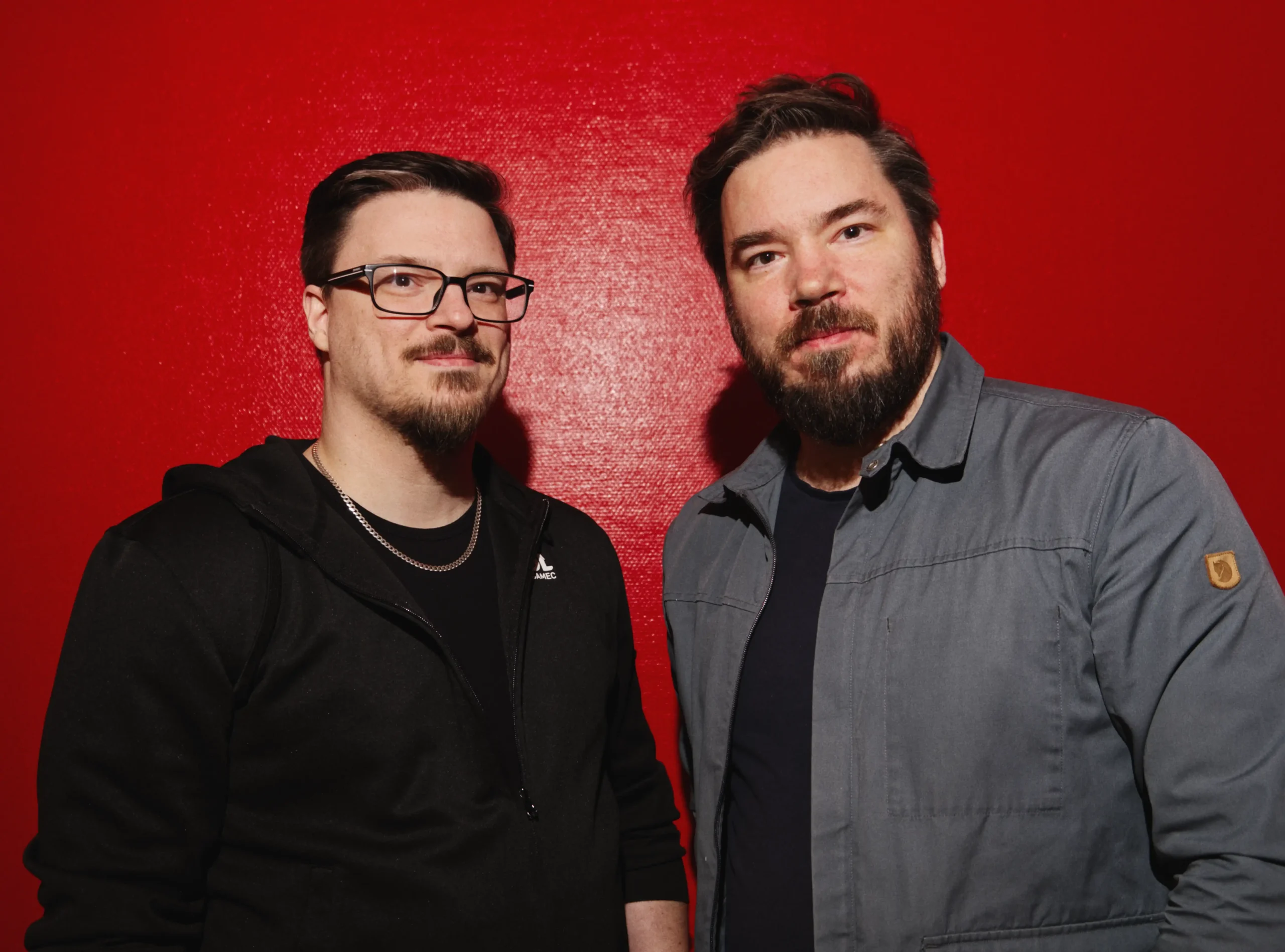
Sparrowland, the studio behind The Tragedy at Deer Creek.
Sparrowland discusses how Deer Creek was built as a place of quiet watchfulness, how Charlotte’s role as a photographer shapes the setup, and why the game leans toward emotional storytelling rather than traditional puzzle-first design.
Point-and-click adventures live or die on how discovery feels, what does The Tragedy at Deer Creek do differently to make exploration feel meaningful rather than just clicking through hotspots?
While still being a first person point of view with locked scenes and subscenes, there is no given order in how you explore the camp and its surroundings. You don’t have to find every item or clue to finish the game. We wanted the players to be as free as possible for exploration within those confines, while still having the game and the core story unfold as intended. It’s a delicate balance and I can’t count the number of times we’ve said, “no, we can’t place that thing there then that would mean that character X knew about circumstance Y before they did Z”.
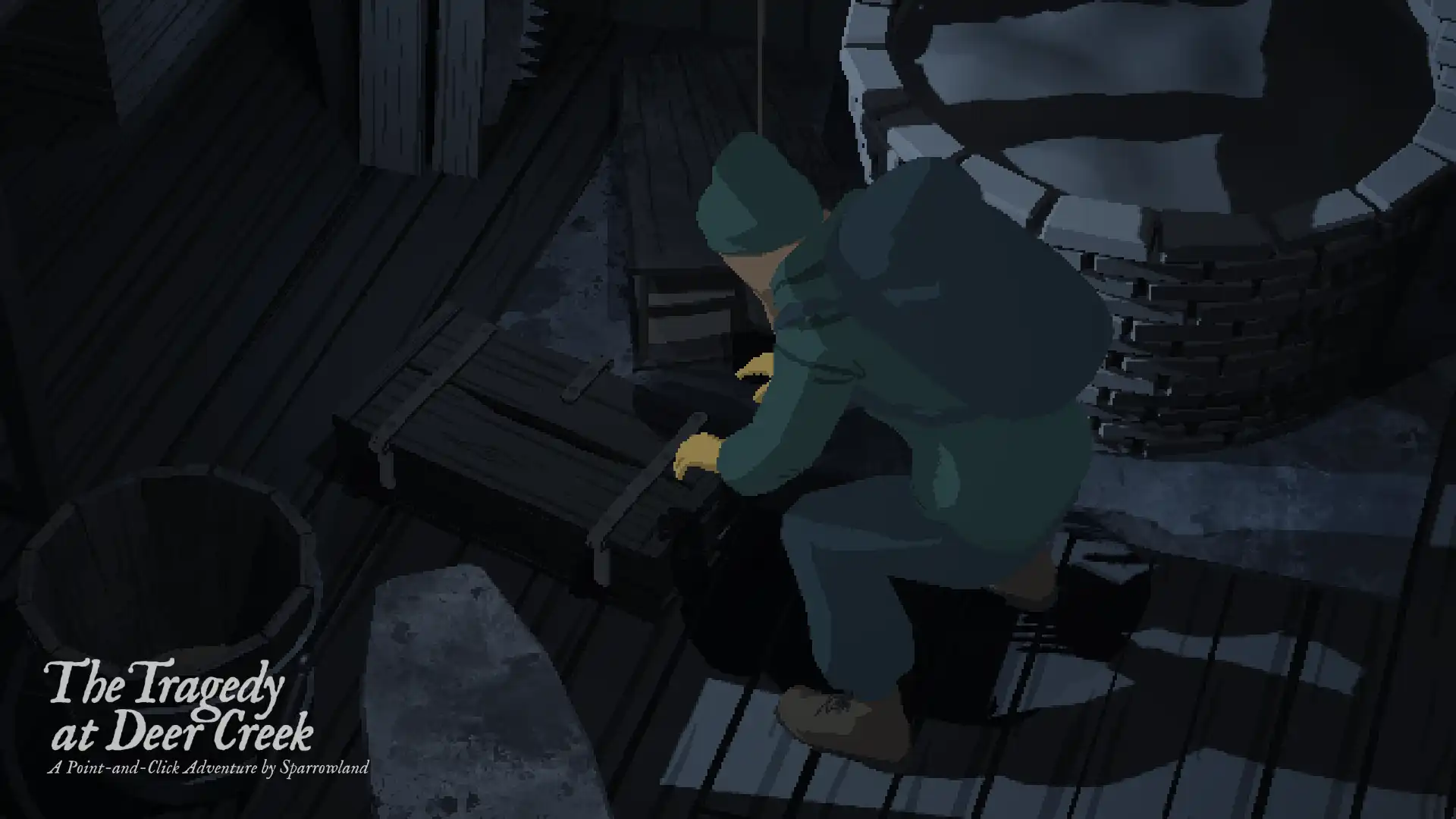
Charlotte searches through a footlocker in The Tragedy at Deer Creek.
Charlotte arrives as an outsider documenting forgotten places, how does her role as a photographer shape the way players uncover the story compared with a traditional detective or investigator character?
When the detective arrives at the scene of the crime his role and function and motivation is established at that second. Charlotte comes to Deer Creek as a photographer, but the gameplay slowly tilts to a mystery as she finds signs and marks left by the people who lived there that point towards tragic events. The discovery element is and isn’t linear in the sense that you find many fragments of the story in no given order, but some of the puzzle-unlock-to-story-progression has to be in a given order for the story to unfold in a way that makes sense. But the photography thing isn’t a mechanic, it’s a reason for her to be there.
The game describes Deer Creek as a place that feels suspended in time. Without spoilers, what design choices helped make the camp itself feel like a character rather than just a setting?
If you ever gotten lost in the woods, the same forest that seconds ago was a picturesque backdrop to a nice stroll suddenly towers over you with a silent, cruel indifference to your growing anxiety. We wanted to have Deer Creek have an element of that sort of quiet watchfulness. There are some elements that give the camp that agency despite being a still environment, but I don’t want to spoil anything specific.
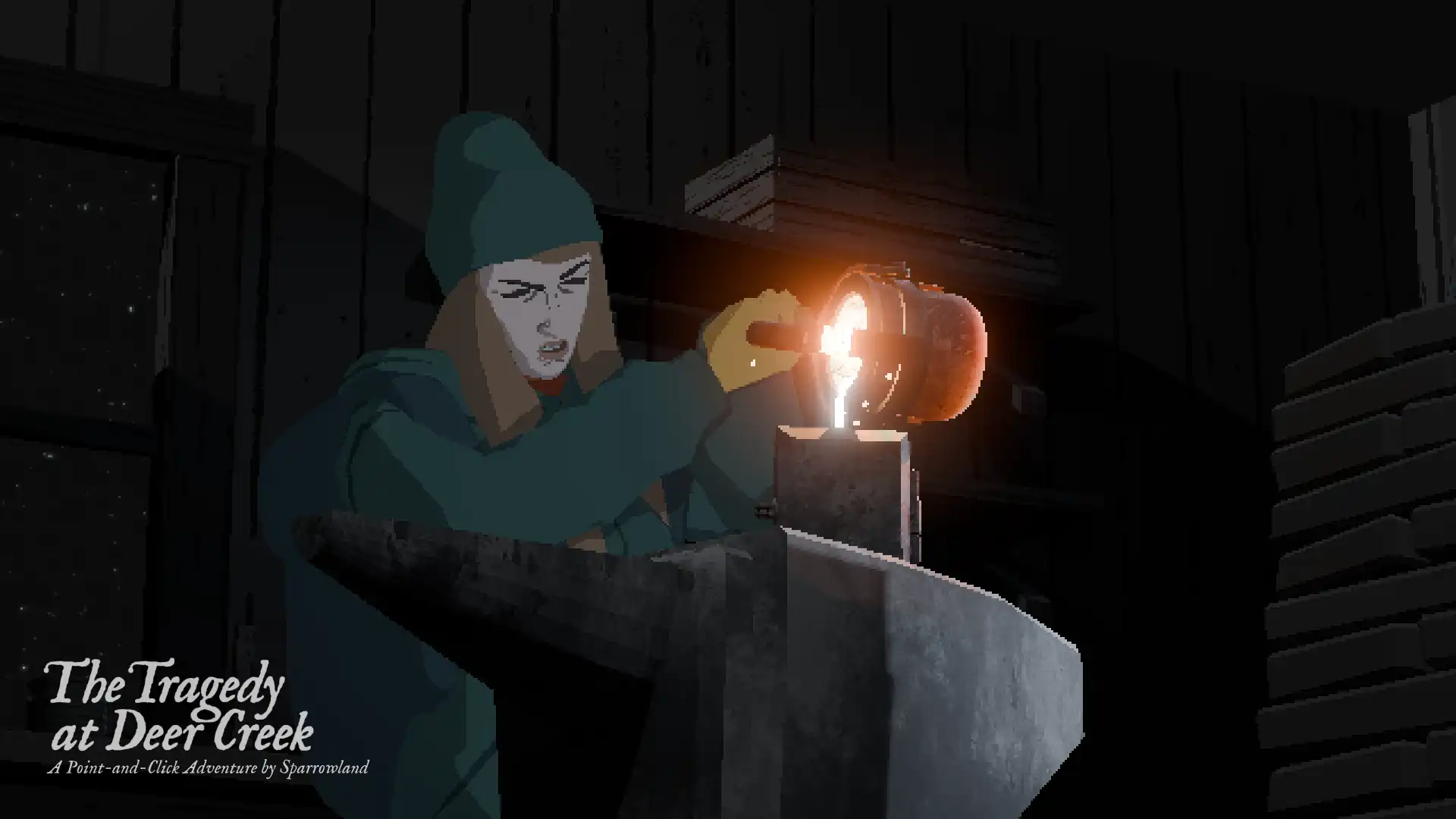
A tense cutscene moment from The Tragedy at Deer Creek.
You describe the experience as cinematic but also interactive, how did you balance storytelling, puzzles, and player agency so that one never overwhelms the others?
I’m not sure that we’ve struck the perfect balance between those aspects, if anything the lore and the cinematic aspect and the emotional weight that it carries is maybe the most important part in what we tried to achieve. At its core it’s not a puzzle game first and foremost, but a cinematic and emotional experience. Or that’s at least what we tried to achieve, whether we did that is up to the players to decide.
Many mystery games focus on twists; yours seems focused on tragedy, family, and sacrifice. What emotional experience do you hope players carry with them after the credits roll?
Heartbreak.
For someone who doesn’t usually play point-and-click adventures, what would convince them that The Tragedy at Deer Creek is worth their time?
I don’t think maybe convincing someone is a good starting point to enjoy a game, but if you for some reason would like to give the genre a go then the Tragedy at Deer Creek might suit your taste if you like melancholy, stories about family, mystery and slow exploration. Also, the music on day four is really neat.
Related Reading
For more developer conversations, visit our Game Developer Interviews section. You can also read more indie coverage through our Indie Game Showcase.
Written by Aidan Minter — Fix Gaming Channel.
For editorial inquiries or developer coverage, contact: contact@fixgamingchannel.com
Support our work on Ko-fi.