Good Coverage Starts With Good Materials
When a journalist wants to cover your game, missing screenshots, logos, release details, or contact information can turn a straightforward article into a long search. A well-organized press kit removes that friction and helps your game receive the presentation it deserves.
At Fix Gaming Channel, we regularly discover indie games worth writing about. We also share practical resources through our Indie Dev Guides.
One problem continues to slow down coverage: developers have an interesting game, but no complete press kit ready when journalists and content creators need it.
NINZA Trailer
More Practical Advice for Indie Developers
Join the Fix Gaming Channel newsletter for interviews, industry insight, indie game coverage, and useful developer resources.
Solving a Puzzle Without All the Pieces
Trying to cover a game without a press kit can feel like solving a puzzle with half the pieces missing.
A press kit should bring the essential materials together in one accessible place: screenshots, logos, trailers, game information, store links, and contact details. Without those materials, journalists may need to search across social media, store pages, old trailers, and unrelated websites before they can begin writing.
That extra work can delay coverage or reduce how much time can be spent researching and presenting the game itself.
The Developer’s Perspective
To explain why a press kit is also valuable from the developer’s side, I asked Klakmioch, developer and publisher of NINZA.
“What I can say is that: A press kit is super important for indie developers to facilitate communication with the press and content creators. It’s a resource that, once set up, saves everyone time. It’s even useful for us developers because it allows us to create marketing content on the fly without it being a hassle.”
That is one of the biggest benefits of preparing a press kit early. The same collection of materials can support press outreach, social media posts, store updates, trailers, event submissions, and community announcements.
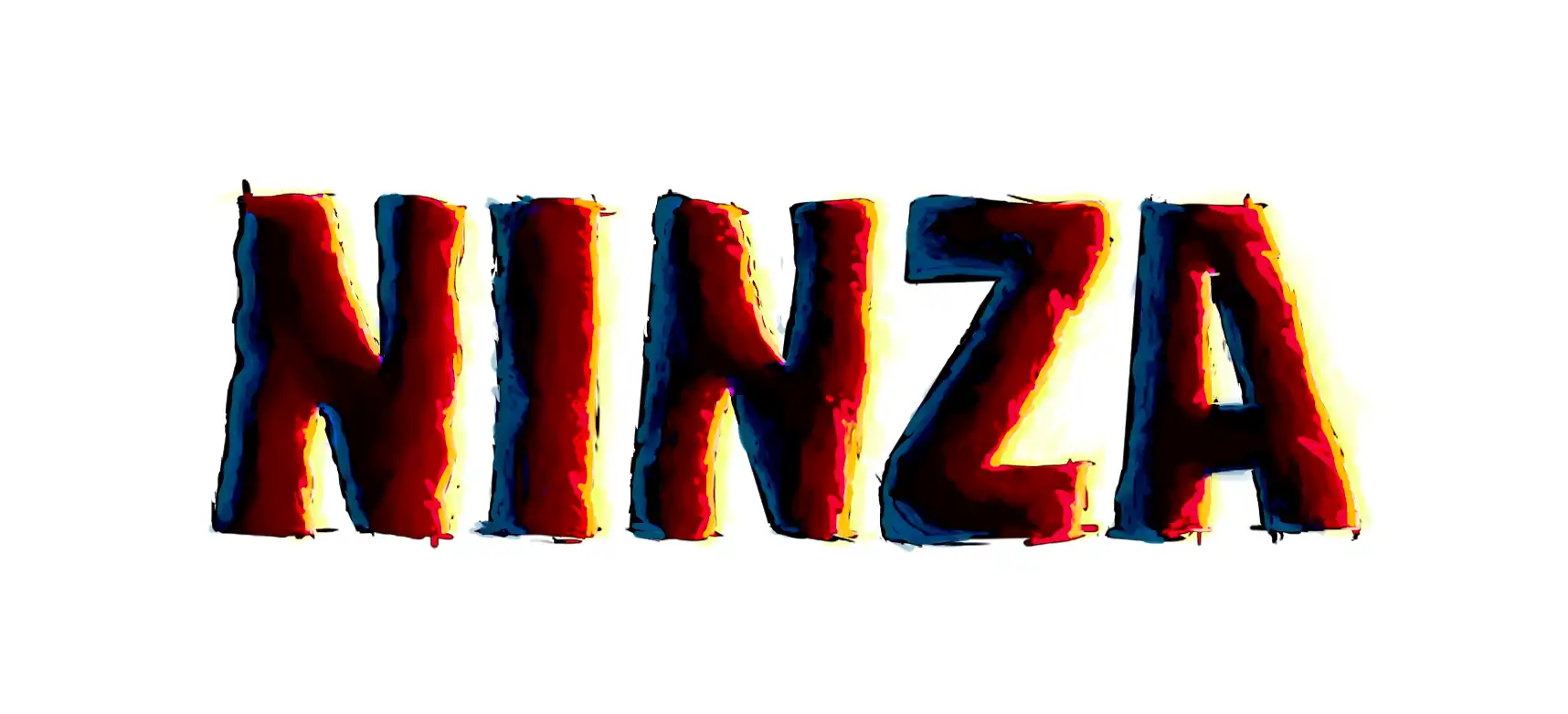
NINZA as an Example
The materials supplied for NINZA gave me the images and information needed to present the game properly instead of searching for usable assets elsewhere.
You can find NINZA on Steam.
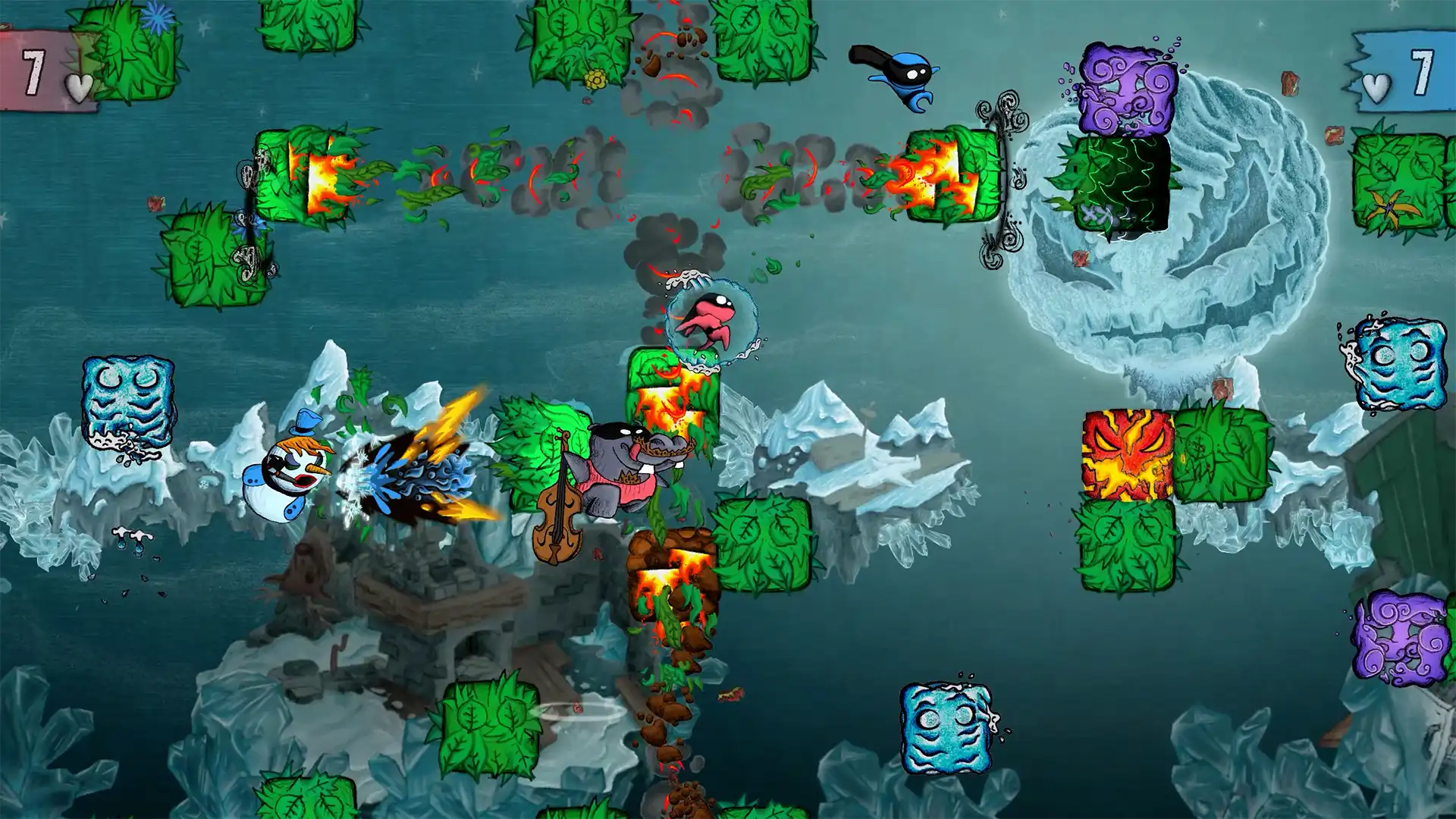
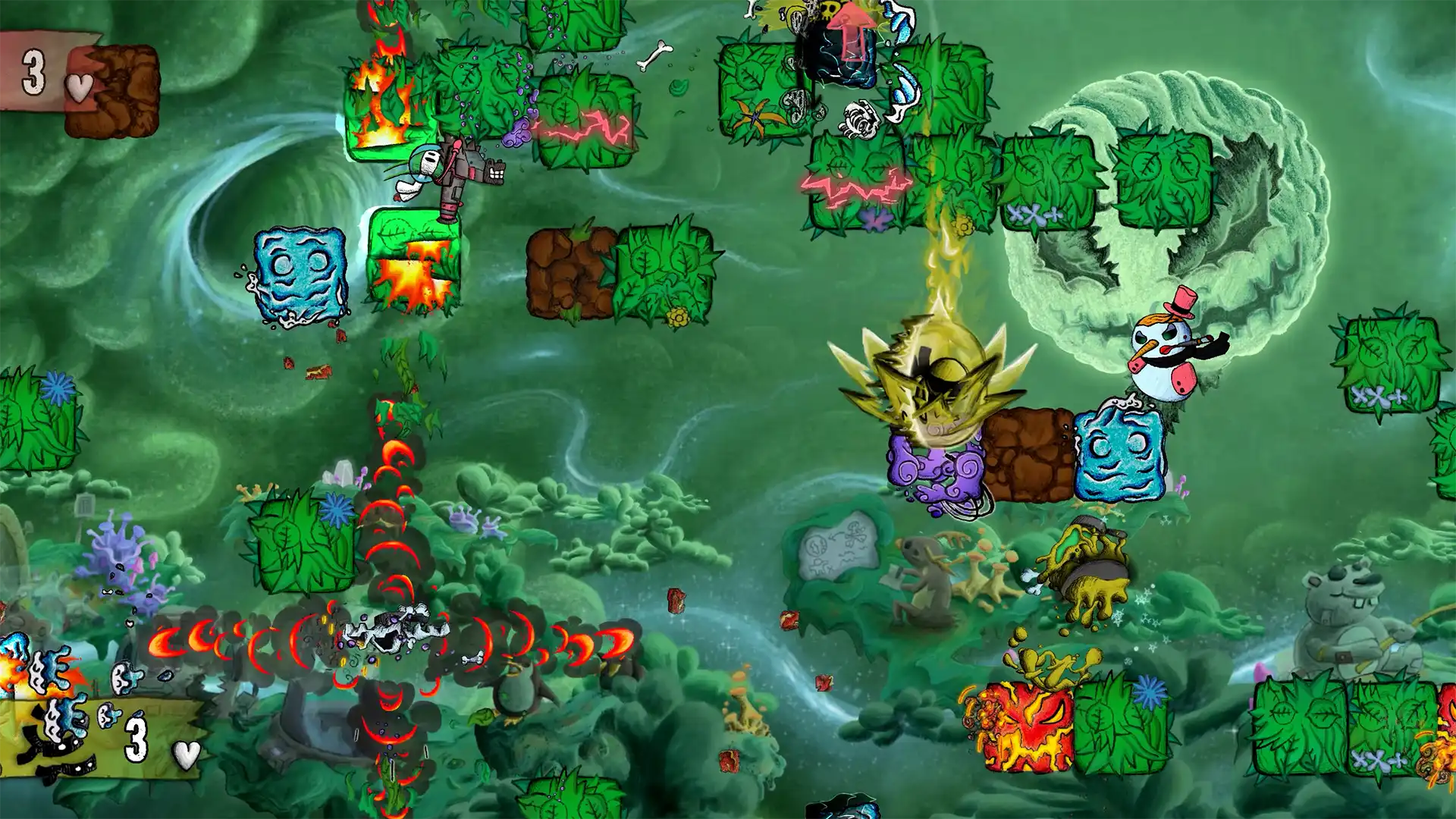
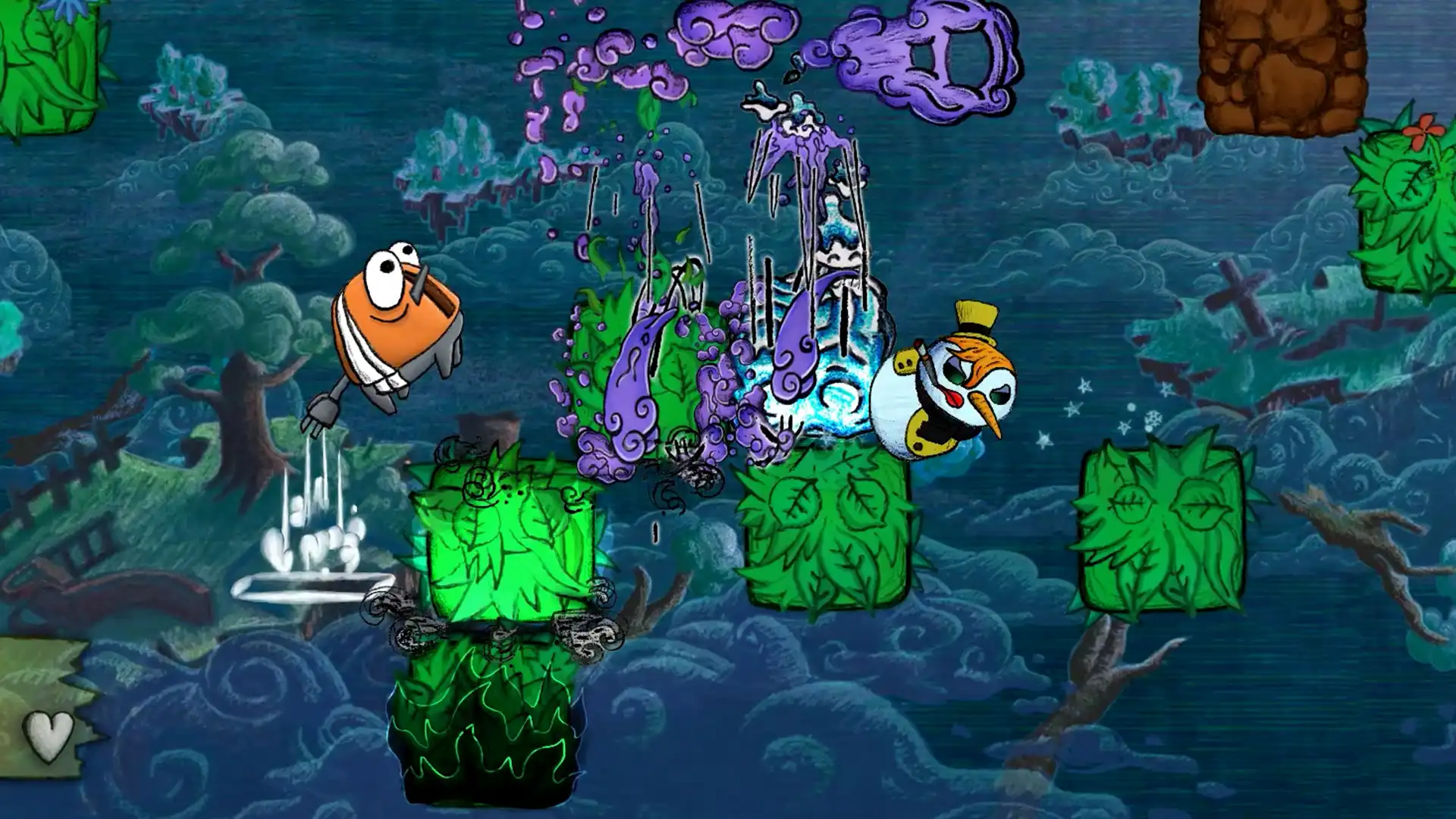
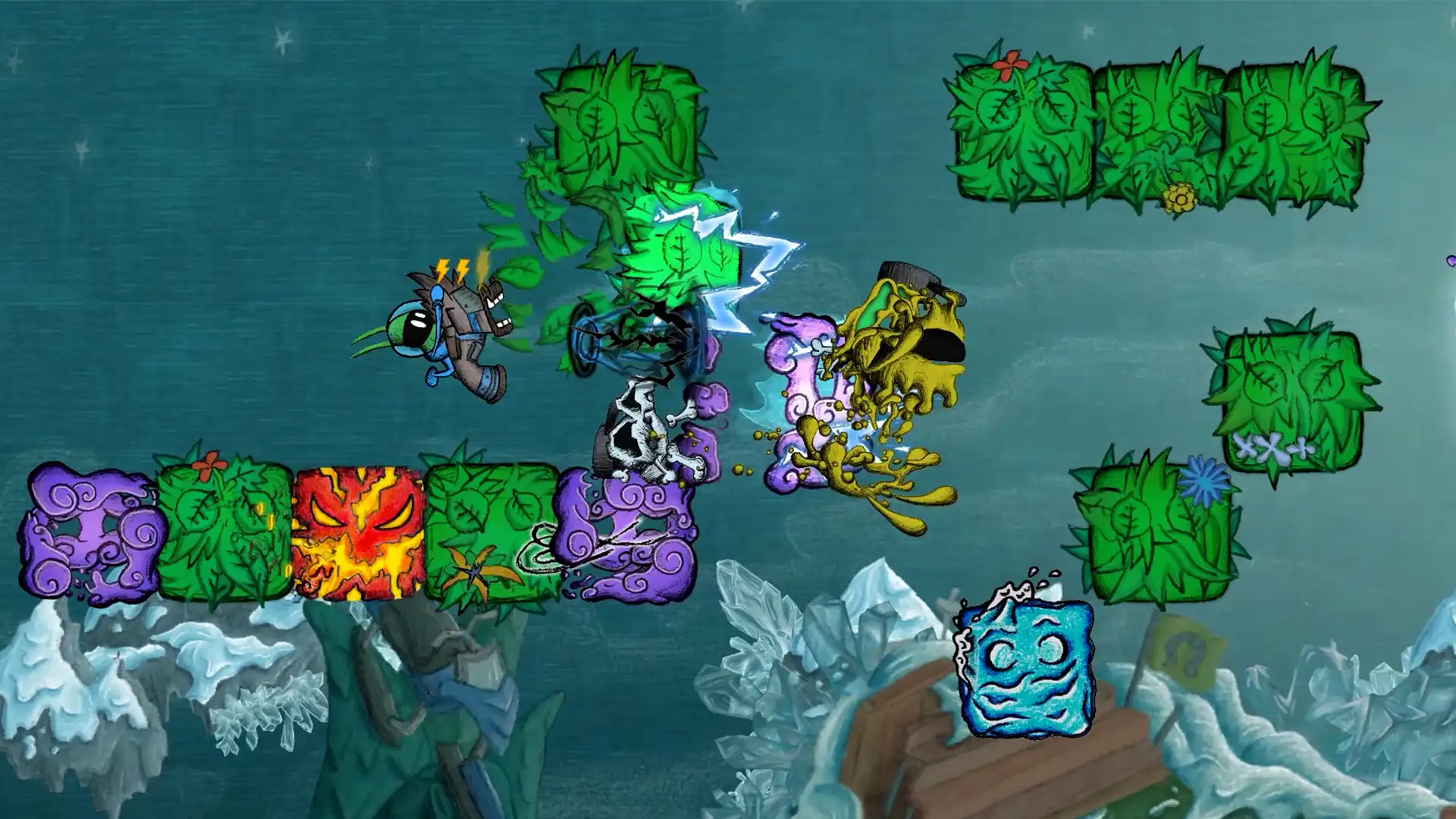
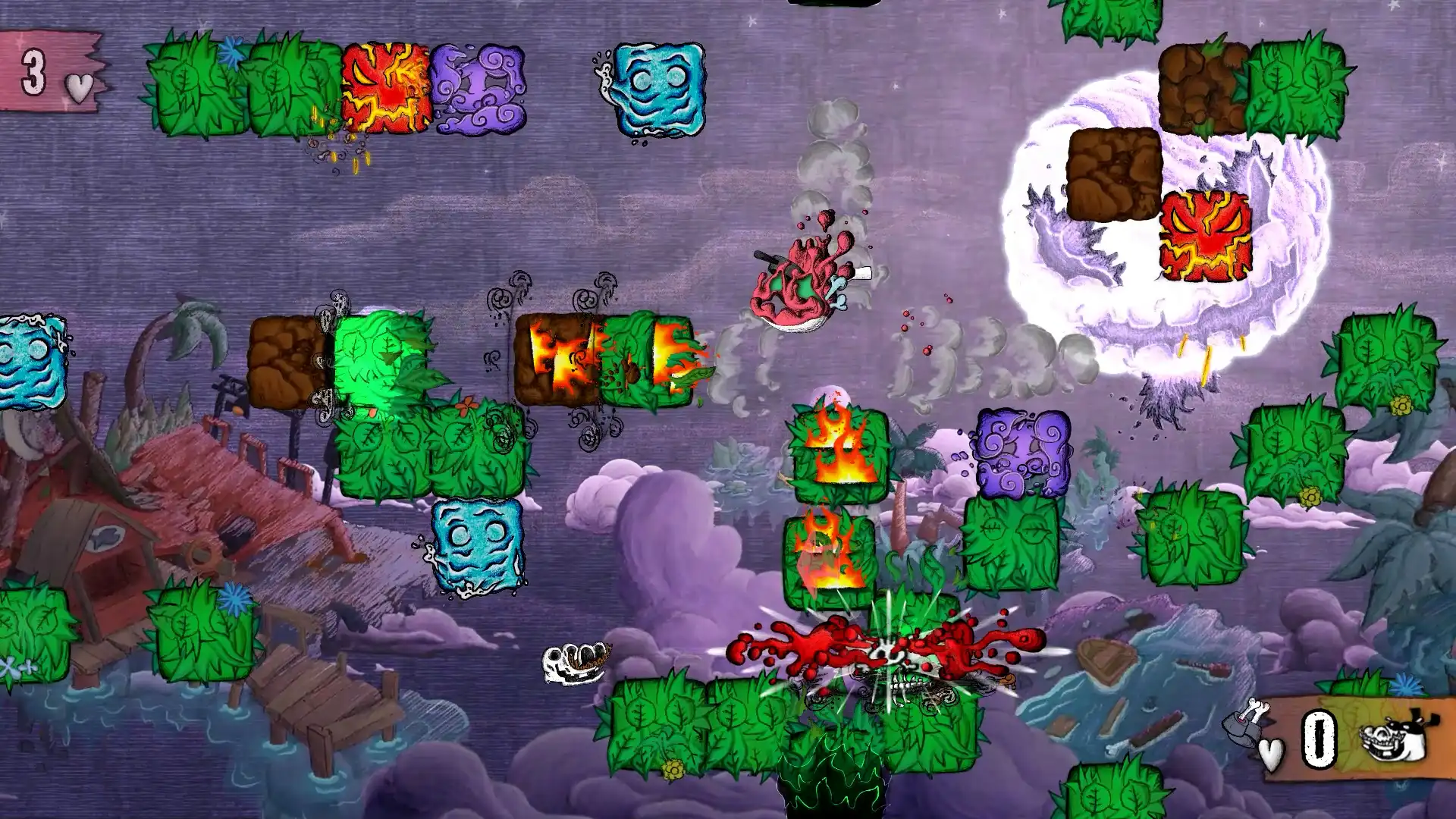
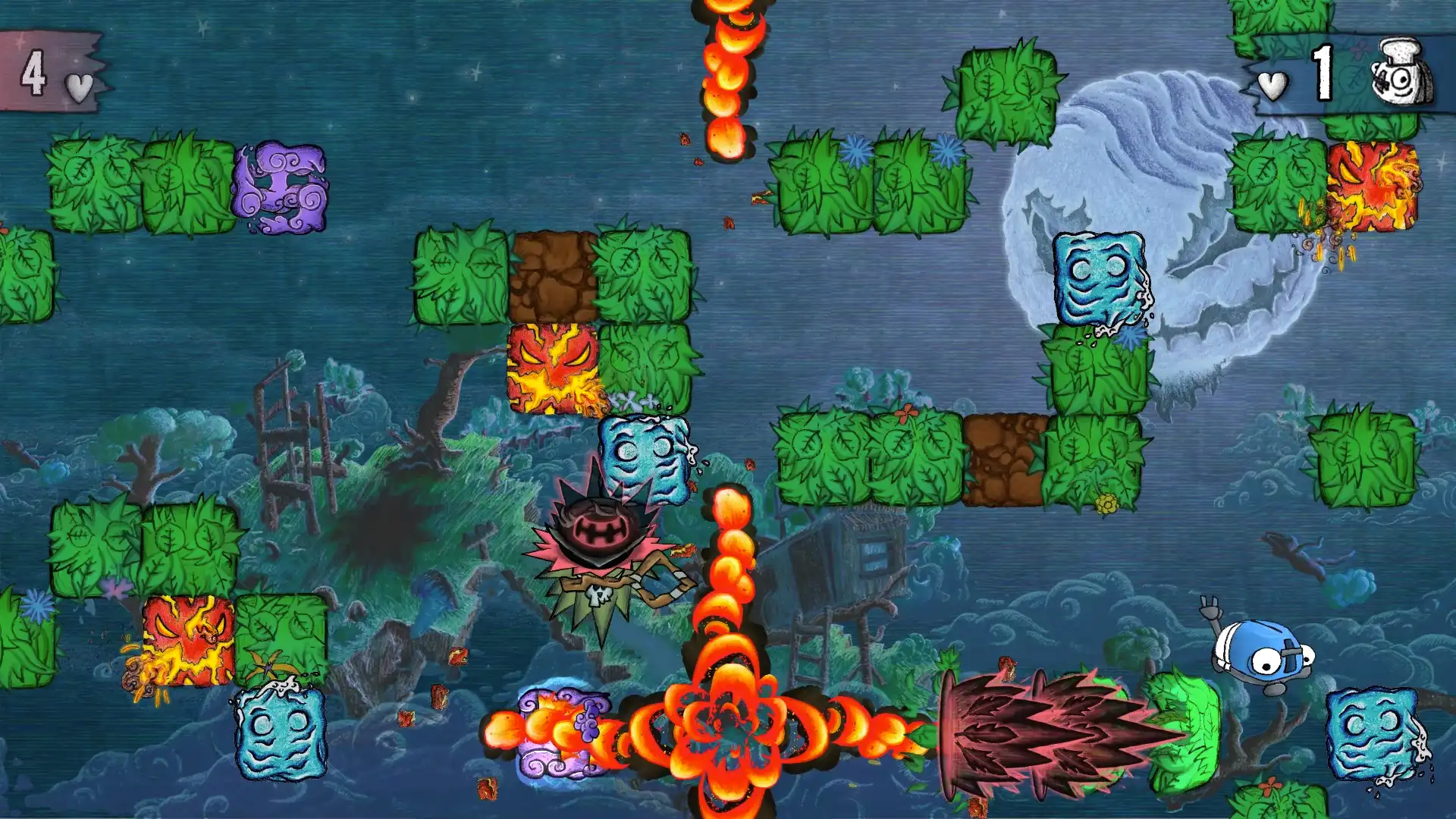
Images courtesy of Klakmioch.
NINZA Game Details
Genre: Multiplayer fighting game
Developer / Publisher: Klakmioch
Platform: PC via Steam
How Missing Materials Affect Coverage
At an independent outlet, time is limited. Every additional task, including searching for logos, extracting images from trailers, checking conflicting release information, or creating replacement visuals, takes time away from writing, testing, editing, and researching.
The result may be delayed coverage, fewer images, a shorter article, or a game being placed aside until better materials become available.
A press kit does not guarantee coverage, but it removes avoidable obstacles when someone is already interested in your game.
What Should an Indie Game Press Kit Include?
A useful press kit does not need an elaborate design. It needs clear information and downloadable assets.
- A short description and a more detailed game overview
- High-resolution logos with transparent versions
- Key art in landscape and portrait formats
- Several high-resolution gameplay screenshots
- A trailer and gameplay video link
- Release date, platforms, pricing, and supported languages
- Developer and publisher information
- Store pages, website, social links, and contact details
Keep everything in one clearly labeled public folder or press page. Use descriptive filenames and make sure journalists can open and download the materials without requesting access.
Final Thoughts
A press kit is more than a folder of promotional images. It is one of the first working tools you provide to journalists, creators, event organizers, and potential partners.
Good materials save time, reduce mistakes, and give people a stronger foundation for presenting your game accurately.
Developers who would like an outside review of their Steam page, trailer, press materials, or outreach can also explore Fix Access. Fix Access is separate from editorial coverage, and paid support never guarantees publication.
Written by Ronny Fiksdahl, Founder & Editor-in-Chief at Fix Gaming Channel.
Send interview pitches, corrections, tips, or developer stories to contact@fixgamingchannel.com.
Support independent games coverage on Ko-fi.