


A Conversation That Went Far Beyond One Game
I recently had a video call with Gerard “HipHopGamer” Williams, and it quickly became clear this was not going to be a standard game interview. What started around Mutant Football League 2 turned into a wider conversation about gaming culture, hip-hop, education, second chances, and how games can reach far beyond entertainment.
The conversation moved naturally between topics, so this written feature does not follow the video minute by minute. Instead, it pulls together the main themes from the interview while the full video remains embedded for readers who want the complete conversation.
For more creator-focused conversations, you can also visit our Fix Gaming Channel Interviews hub, where we speak with developers, writers, artists, industry voices, and people shaping gaming culture in different ways.
Watch the Full HipHopGamer Interview
Interview video music by Ronny Fiksdahl.
Join Our Newsletter
Stay updated with the latest interviews, previews, and indie gaming news from Fix Gaming Channel.
From Mutant Football League 2 to Something Bigger
The conversation started with Mutant Football League 2, the brutal arcade football sequel from Digital Dreams Entertainment. HipHopGamer explained that the connection first came through the usual media path, with PR, interviews, and coverage around the game. But after seeing the game and speaking with Mike, it became something more personal.
He said it moved from “just doing an interview” into a deeper discussion about what could be done with the game, its audience, and the culture around it. The official Mutant Football League news page lists Gerard “HipHopGamer” Williams as an ambassador for Mutant Football League 2, with his “GET MONEY GAMERS” squad added as playable content through a free update on PC and consoles.
For HipHopGamer, being part of a game is not new territory. In the interview, he talked about making songs for games and appearing as a character in other titles. But with Mutant Football League 2, there was another layer. It connected to his work with gaming, education, community, and giving people a different way to see themselves.
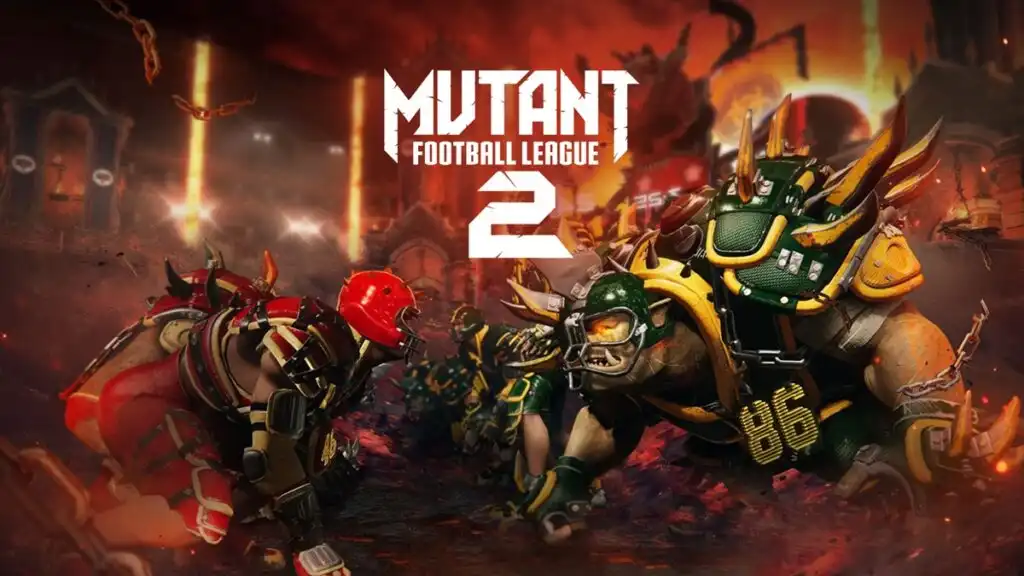
Mutant Football League 2 brings arcade football back with brutal hits, mutant teams, and over-the-top energy.
Mutant Football League 2 – PS5 Gameplay
To give readers a closer look at the game itself, I also captured some Mutant Football League 2 gameplay on PlayStation 5. It shows the arcade football chaos, hard hits, and over-the-top style that made the game a natural part of this wider conversation with HipHopGamer.
Hip-Hop, Games, and His Grandmother’s Influence
A major part of the interview focused on HipHopGamer’s grandmother and the role she played in his life as a gamer. He said she introduced him to video games when he was four years old, but this was not the usual story of a child being handed a controller to stay busy.
He described her as a serious gamer in her own right. She played games, understood them, and even wrote her own strategy notes because she found things that official guides did not always include. Games became a bond between them, but also a way to talk about life, confidence, faith, and control.
That is also where the HipHopGamer identity becomes clearer. He talked about growing up with hip-hop and seeing music as another way to speak to people. Gaming gave him power and imagination. Hip-hop gave him voice. Together, they became the foundation of his brand.
Gaming as a Tool for Second Chances
The interview became especially powerful when the conversation moved beyond games as entertainment. HipHopGamer spoke about using gaming in education, financial awareness, and correctional environments, including his work connected to Rikers Island.
He described gaming as something that can change the atmosphere of a place. In his view, games can become more than recreation. They can teach, connect, inspire, and help people imagine a different future.
One part of the interview focused on Tique Thomas, who HipHopGamer said became part of the Mutant Football League 2 world through the Get Money Gamers team after being released from prison. HipHopGamer spoke about that moment with real emotion, connecting it to his belief that gaming can create opportunity where people may not expect it.
Recognition, Barriers, and Creating Instead of Complaining
HipHopGamer also spoke about being nominated in the NAACP Image Awards Gaming/Tech category. For him, that recognition was not only personal. He framed it as part of gaming moving into larger cultural spaces.
He also looked back at his early experiences in games media, including attending E3 in 2008 and feeling that some people did not know what to make of him. He said people had not seen someone who looked like him, talked like him, carried his style, and still knew so much about video games and technology.
One of the clearest lines from the whole interview was simple: “I don’t complain, I create.”
That line fits the whole conversation. Whether he is talking about games, music, interviews, schools, Rikers Island, or future projects, he keeps coming back to action. Not waiting for permission. Not sitting in negativity. Building something and pushing it forward.
What Comes Next
The conversation also had room for direct gaming talk. HipHopGamer mentioned playing Death Stranding 2 and spending time with Tekken 8, while also pointing to Phantom Blade Zero, Marvel’s Wolverine, and Grand Theft Auto 6 as games he is looking forward to.
Near the end, he also spoke about work connected to military esports, veterans, film, mainstream news, finance, and a future national tour. He kept some details limited, but the direction was clear: he sees gaming as something that belongs far beyond the usual gaming spaces.
Why This Interview Stood Out
What stayed with me after this conversation was not only the energy. HipHopGamer has a lot of that. It was the consistency behind it.
When he talks about his grandmother, it comes back to love and learning. When he talks about hip-hop, it comes back to voice. When he talks about games, it comes back to power and possibility. When he talks about second chances, it comes back to using gaming as a tool to help people imagine a different future.
That is why this interview is not just about Mutant Football League 2, even though the game is a major part of the conversation. It is about what happens when gaming becomes part of someone’s whole life, not only their hobby or career.
HipHopGamer talks fast, jumps between ideas, and brings the kind of presence that can fill a room even through a video call. But underneath that energy is a clear message: games can entertain, but they can also teach, connect, motivate, and open doors.
Related Reading
For more long-form conversations with creators and industry voices, visit our Fix Gaming Channel Interviews hub.
You can also read Richard Dansky Interview: From World of Darkness to Ghost Recon Wildlands, another wide-ranging discussion about writing, games, and the stories players carry with them.
Written by Ronny Fiksdahl, Founder & Editor-in-Chief of Fix Gaming Channel.
Send interview pitches, corrections, tips, or developer stories to contact@fixgamingchannel.com.
Support independent games coverage on Ko-fi.