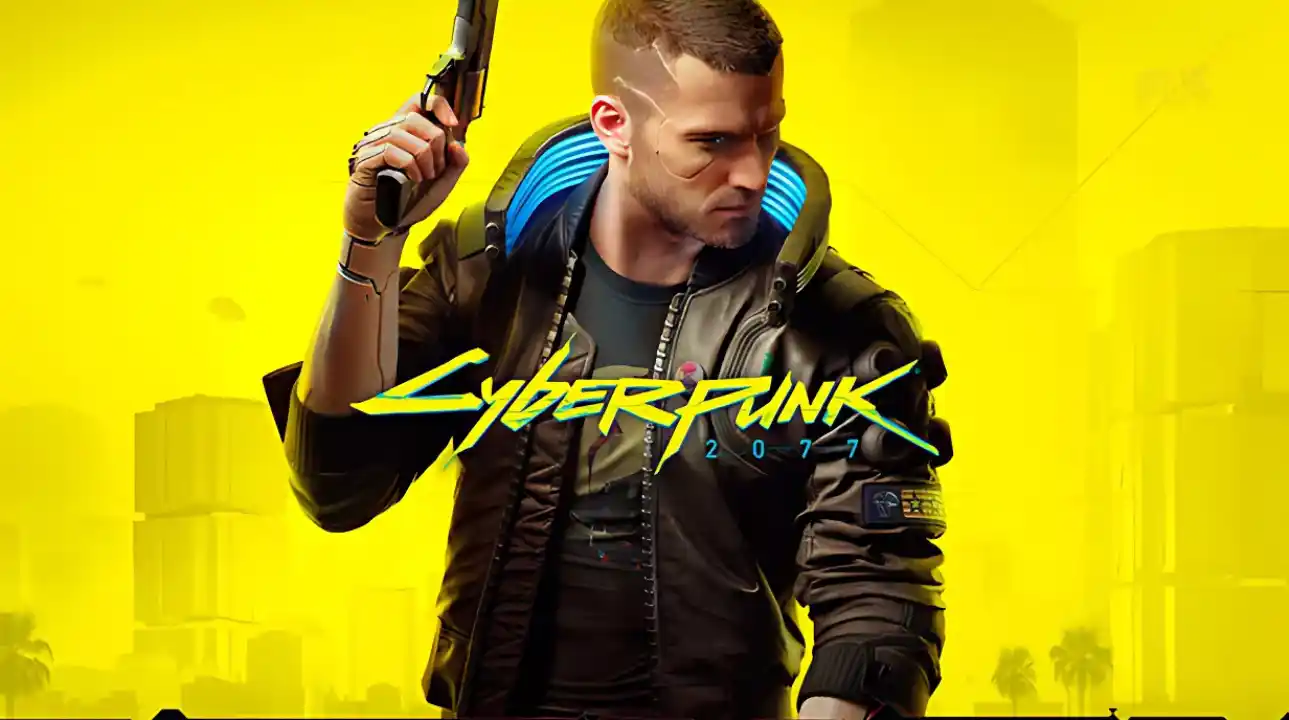
In today’s gaming economy, developers only get one shot—and the Cyberpunk 2077 comeback is the rare exception, not the rule
In a time when the average AAA release costs $60–$80, and many players are still feeling the sting of broken launches, developers and publishers have little to no margin for error. The landscape has changed. The Cyberpunk 2077 comeback showed that redemption is possible—but most games never get that luxury. Gone are the days when studios could patch their way to success after a rocky start. With players increasingly wary of hype, tight wallets, and a volatile media cycle, there’s no second chance at a first impression.
Broken on Arrival: A Price Too High
Recent launches like The Day Before, Skull and Bones, and Redfall were all positioned as major releases—only to collapse under the weight of bugs, bland gameplay, and poor optimization. These aren’t just stumbles. They’re reputation-killers.
Consumers don’t just walk away—they warn others, request refunds, and avoid those studios entirely.
Rumble may require a security check. Click to load the video, or open it on Rumble.
Join Our Newsletter
Stay updated with the latest interviews, previews, and indie gaming news from Fix Gaming Channel.
The cost of releasing a bad game is no longer just a dip in review scores—it’s the erosion of community trust, long-term damage to your brand, and in some cases, the end of a studio altogether.
The Cyberpunk 2077 Comeback — But At What Cost?
No Man’s Sky? That game was dead. Completely murdered by the global gaming community. I tested it at launch, but honestly — I can’t recall much. Maybe that says enough. It was empty, broken, overpromised, and underdelivered. But now? I’d bet the devs are driving Ferraris. And to be fair… maybe they earned it. Because somehow, they rose from the grave. They shut up, worked hard, and overhauled everything. Update after update. For free. No excuses. That’s how you do it.
Then there’s Cyberpunk 2077. I didn’t go deep on it back then. It just felt like one of those games that would never really be finished — dead by default. Pretty, maybe. But broken at the core. CD Projekt Red pumped out patches, a Netflix show, and a whole expansion just to claw their way back. And now? Yeah, it’s good. Real good, even. But how much did that resurrection cost them? Money? Time? Trust? I don’t know. Probably all of it.
Point is: most studios don’t survive that kind of failure. These two did — but they’re the exceptions. Today, in this economy, with player trust at an all-time low, devs only get one shot. You launch broken? You’re done. You don’t get to patch your way out of a grave anymore. Not unless you’re ready to bleed for years.
The Cyberpunk 2077 comeback wasn’t cheap or easy, but it shows what it takes to earn back trust—something most studios can’t afford to attempt.
Testing Is Trending: EA and Battlefield 6
Even Electronic Arts—once synonymous with rushed releases—is reportedly taking a new path with Battlefield 6. Following the backlash over Battlefield 2042, developers at DICE are emphasizing more extensive testing, community input, and internal QA across multiple phases.
It’s a cautious approach. And it’s needed. Because one more botched launch might not just hurt the game—it could kill the franchise.
Sponsored Streams and Self-Sabotage: The Mind’s Eye Misstep
Then there’s Mind’s Eye, a cautionary tale about premature promotion. Despite clear issues with the build, the game was pushed through sponsored streams with major creators. What happened? Viewers saw the flaws—live and unfiltered. The damage was instant.
This wasn’t just a marketing fail. It was a strategic blunder. When the product isn’t ready, visibility doesn’t help—it hurts. Which makes you wonder: why risk exposing it like that?
What Do Bad Games Have in Common?
If you cross-reference the worst-reviewed launches of the last five years, the pattern is clear. AI tools could probably identify the formula by now: launch before it’s ready, ignore QA, oversell features, underdeliver content, and cover it all with hype. It’s a cycle that keeps repeating—yet rarely ends in recovery.
But players aren’t as forgiving anymore. You break their trust once, they won’t be there for the patch notes later.
Final Thought: One Shot Is All You Get
Yes, No Man’s Sky came back. Yes, Cyberpunk 2077 recovered. But don’t mistake that for the norm—it’s the exception. Most games that launch broken stay broken in the eyes of the public.
Rumble may require a security check. Click to load the video, or open it on Rumble.
In this economy, with this competition, and with players more connected and critical than ever, studios only get one shot. And they better make it count.
For another example of a game trapped in “endless alpha”—with unlimited funding but no finished product—check out our deep dive:
Star Citizen’s Billion Dollar Alpha: How Much Is Too Much? – Examining how perpetual development, community hype, and open-ended promises can create a different kind of broken launch.
By Ronny Fiksdahl – Founder & Editor-in-Chief, Fix Gaming Channel
Enjoy our content? Support Fix Gaming Channel with a donation via
Buy Me a Coffee.
Your support helps us keep independent gaming journalism alive. Thank you!