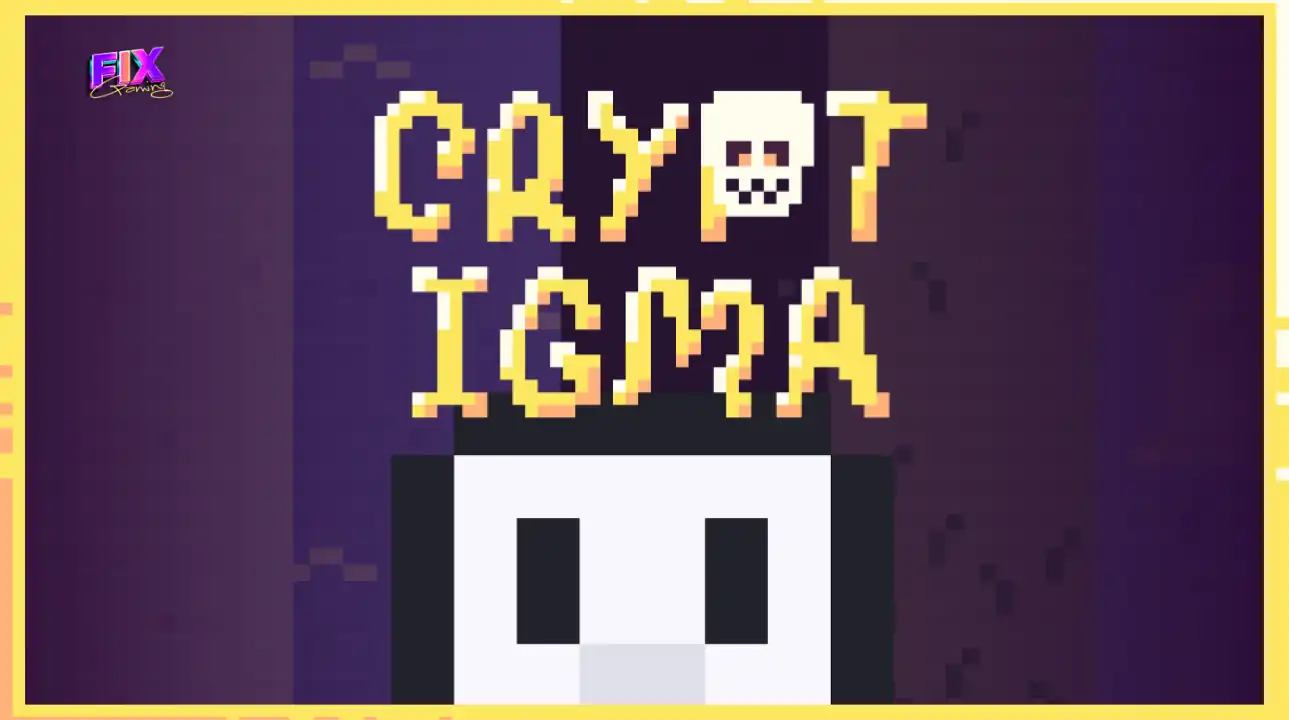
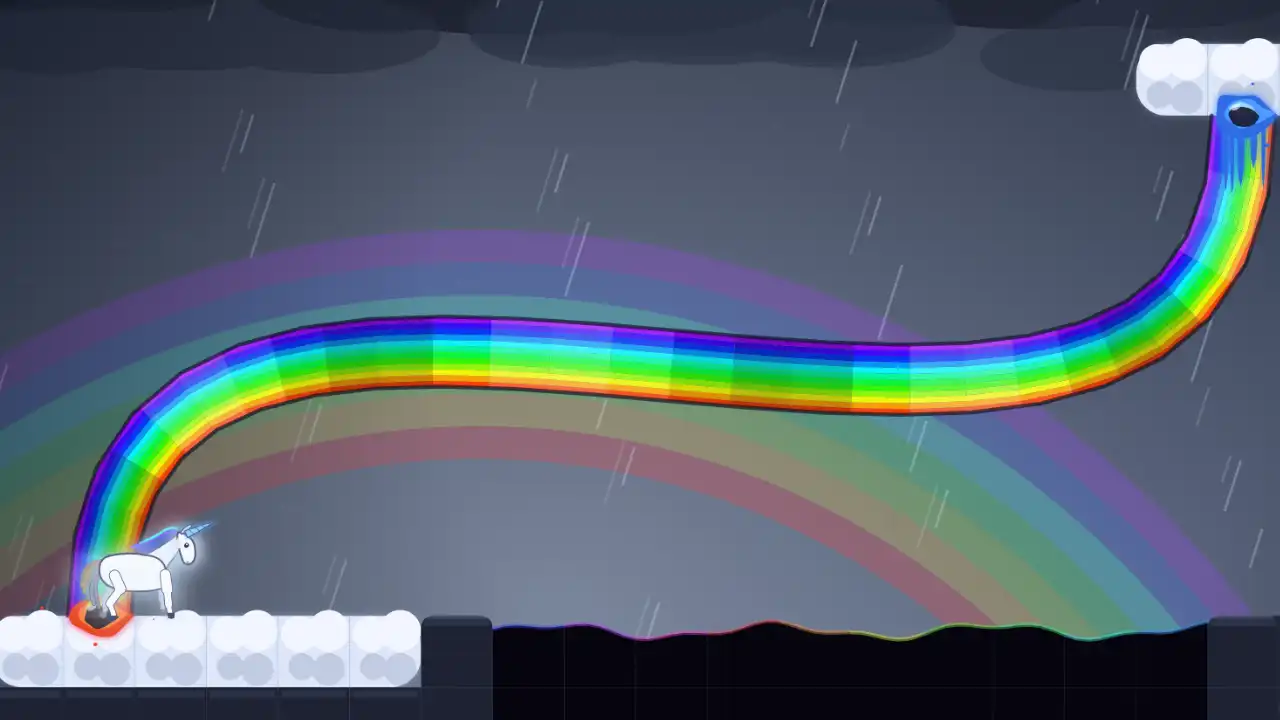
This week, we’re beyond excited to crown Cryptigma as our Game of the Week #5! Created by the brilliant solo developer Jack Garvin, Cryptigma isn’t just a puzzle game – it’s an extraordinary journey into innovation and challenge that redefines the genre. From its mind-bending respawn mechanics to over 120 meticulously crafted levels, Cryptigma stands tall as one of the most clever, rewarding, and downright fun puzzle games we’ve had the pleasure of featuring. If you love puzzle games that surprise, challenge, and reward you at every turn, this is one you absolutely cannot miss.
Watch the trailer and get a glimpse of Cryptigma’s magic:
Q: With over 120 levels, how did you approach variety and progression? Did you have a design system or framework to guide how puzzles evolve?
In the beginning I planned out 60 levels. Five main worlds with ten levels each and one tutorial world to introduce the basics of the actual game. Each world would have its own overall theme along with a mechanic or two. And then what happened was, I eventually got motivated to make more levels, and I remember I saw something about “Super Meat Boy” and its Dark World Levels, and I thought “What if I did the same thing with my game where I made a bizzaro world that is based on the original levels but has an extra mechanic and it changes the solutions to the levels you already played” and that is how I came up with a 120 worlds instead of just 60. When designing the worlds, I originally planned out each world to introduce two new mechanics excluding the first world which introduce the main mechanic of the game and the movable respawn point. When figuring out the puzzles I would often find some maneuver or trick that I came across in designing the gameplay and then introduced it in an early level and then in a later level it would be elaborated on for a more complicated puzzle. So each level is based around a fundamental maneuver I figured out, whether it be some combination of pushing or some way to traverse some large gap or something else. The levels are trying to push the maneuver as far as it could go and to explore all its possibilities associated with it.
Check out Cryptigma on Steam:
Q: Can you tell us about the tools or engine you used? Did you create any custom systems or mechanics during development?
I used the game engine Unity to create the game, and I used other online assets such as JSFXR and pixelart.com to create almost all the assets in the game. I coded all the gameplay using Unity, like the player movement, the box pushing, the respawning, and all the other components of the game. But I didn’t design any new tools in creating the game.
Q: How did you approach difficulty balancing—were there specific playtesting moments that shaped how challenging the game became?
The main level of difficulty I was trying to aim for was to make it so that it would be challenging and engaging game for people who play a lot of puzzle games. But the downside of that is that a lot of people don’t play puzzle games all the time so for the average person the game is quite difficult. I was trying to make it for people who knew puzzle games more than average people because I didn’t think that the game would most likely ever be known to the wide public so I didn’t think it made sense to appeal to that group. When I showed the game to my family, a bunch of them kept complaining that the game was too difficult but most of them would eventually figure out a level and beat it. And then if they could beat the level and liked it, then I thought that it wasn’t too difficult to include in the game. And then the last level of each world is meant to be very difficult and is supposed to be a culmination of everything else in the world.
Q: Are there parts of the game you would change or rebuild differently now that it’s released?
In retrospect, I realized that I made a lot of mistakes with the marketing of the game, but I now know how I should do it for the future. For example, I made all the art assets on my own, which I think they look great, but in comparing them to other games, I think they are generic in a way and they don’t look as polished as other games. I realized that the look of the game is very important when trying to get people to buy your game.
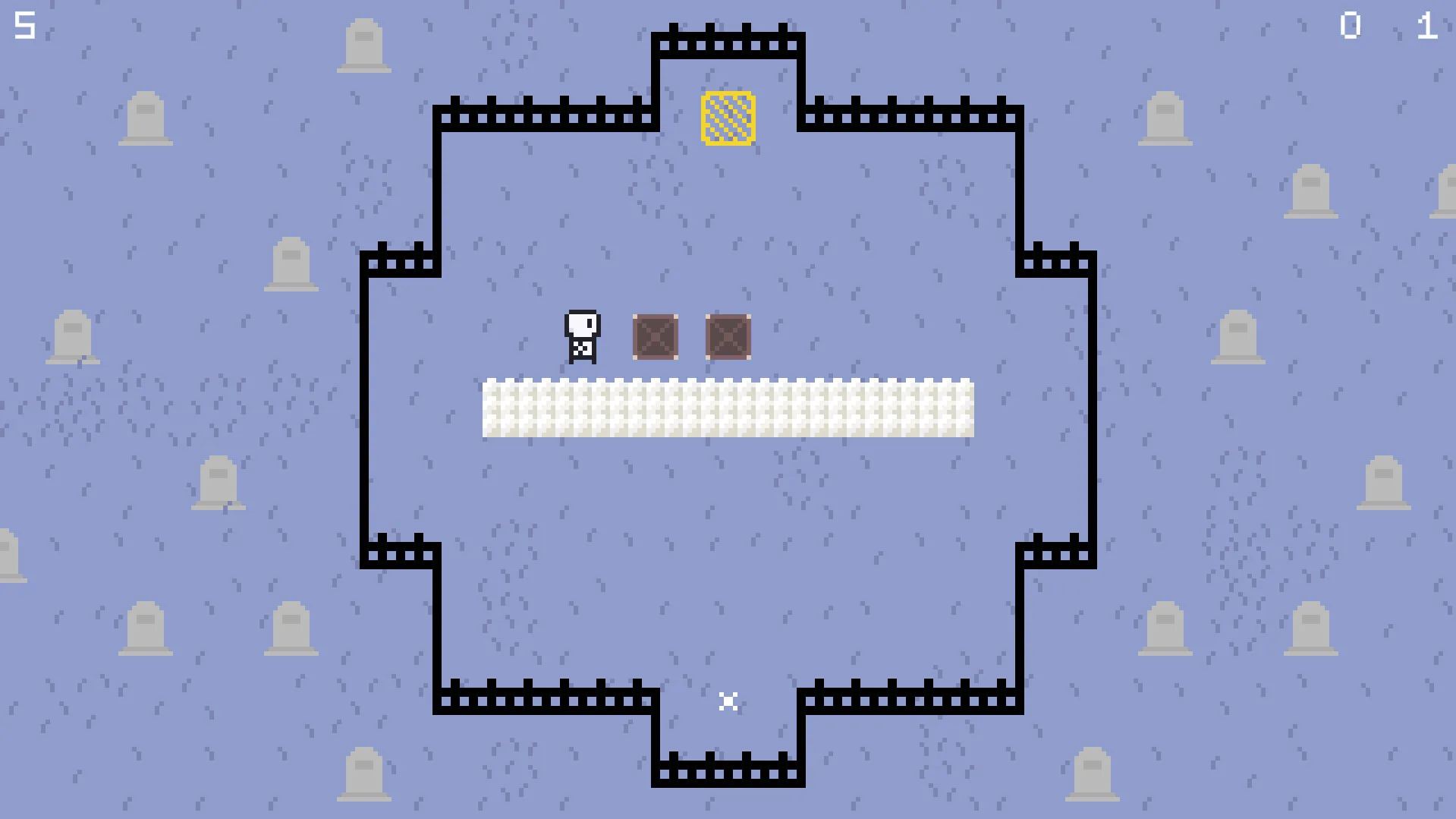
A screenshot from Cryptigma from an introductory puzzle
Q: Who or what has influenced you as a game developer—any games, devs, or styles you look up to?
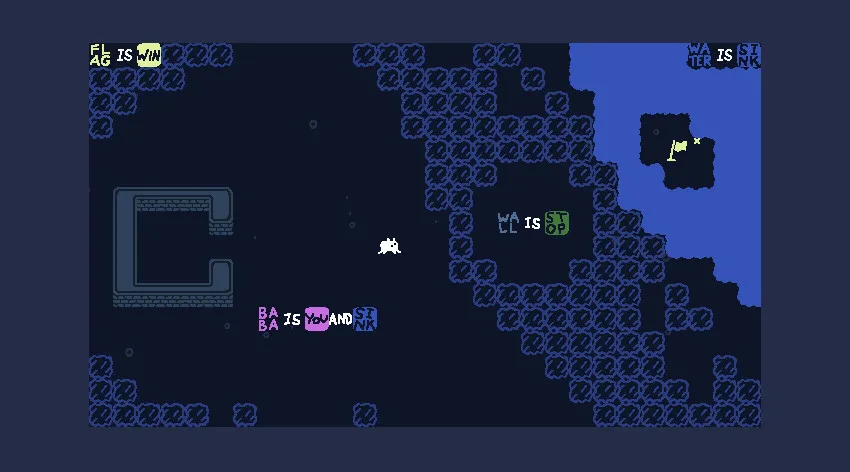
The original concept for the game came about when I read about a game description online and I must have misread the description of the game because what I thought it was going to be was one thing and it wasn’t that at all. But I thought that the idea that I thought it would have been was really cool and that I could build a game around that. And that was the idea of a puzzle game based around a movable respawn point. The established game that inspired me the most for this game was “Baba Is You“, which provided a reference point for a lot of stuff in the game. But I’ve also been inspired by a lot of other games including Braid and The Witness, which are both great games, so it was really amazing to find out that Jonathan Blowrecently played Cryptigma on his Twitch feed without knowing anything about me or that I was just a kid. I came across that recently and it was unreal seeing him play my game! While he had some criticisms of the game, it was nice to see that he apparently found the levels challenging at times and kept playing it for a while. That was a dream come true for me.
A puzzle level from Baba Is You, showcasing the unique mechanics of the game.
Q: Now that Cryptigma is out, what are you thinking about next—expanding this concept, or exploring new ideas and genres?
I generally am not planning on expanding this concept much more. If Cryptigma did become widely popular, then I would want to work on a level editor that I could release so that other people could design and share their ideas for new levels. In the meantime I have a lot of other game ideas that I am thinking about and that I plan on working to make releasable. These game ideas span a variety of genres. Some are first person shooters others are top down war games.
Q: What’s your view on AI tools in game development? Do you see them as helpful, distracting, or something in between?
My opinion is that I think the AI tools are mostly not useful when creating the basics of your own game. But I think they are good for one thing and that is being able to help guide people through certain processes in game development. Understanding some issues of game development would otherwise take awhile or would require an understanding of technical terms but AI helps with that. These things may not be that complex once you understand them but trying to understand them can be difficult. Specifically I used AI to help me navigate understanding Steamworks and the process of uploading the game. But excluding getting the game uploaded to Steam, I didn’t use AI at all. So everything in the game was created and coded by me.
Business, Industry & Future Advice
Q: How has navigating the back end of Steam to set things up from a business perspective been for you? Have you been able to get much advice on setting up your Steam page?
Steam I think was as helpful as they could have been. They were very good at helping me. They gave you the tools and how to set up the game. But they didn’t say how to optimize store page assets for marketing or anything like that, but I don’t think that is a reasonable expectation for them. So I think Steam overall was very helpful. I think the thing that was a little confusing was getting the build up through Steamworks at first and I think the documentation relating to that is kinda confusing for a first time developers but once you know how it works, it is not bad. But understanding it at first is tough because it was explained in a way that uses lots of technical terms.
Q: What would your advice be to other ‘bedroom coders’ like yourself who have aspirations to develop and create a game? Is there any specific advice you think might benefit them early on?
I think the greatest piece of advice to give to them is just to keep going and keep making games. Whether it is on Scratch with a one level game and is simple and even bad or whether it is made through Unity and on Steam, I think to get to the place where I am now, I had to just keep coding and creating games on a variety of platforms and that led me to where I am today. It doesn’t matter if it is good or great, all that matters is that you keep doing it.
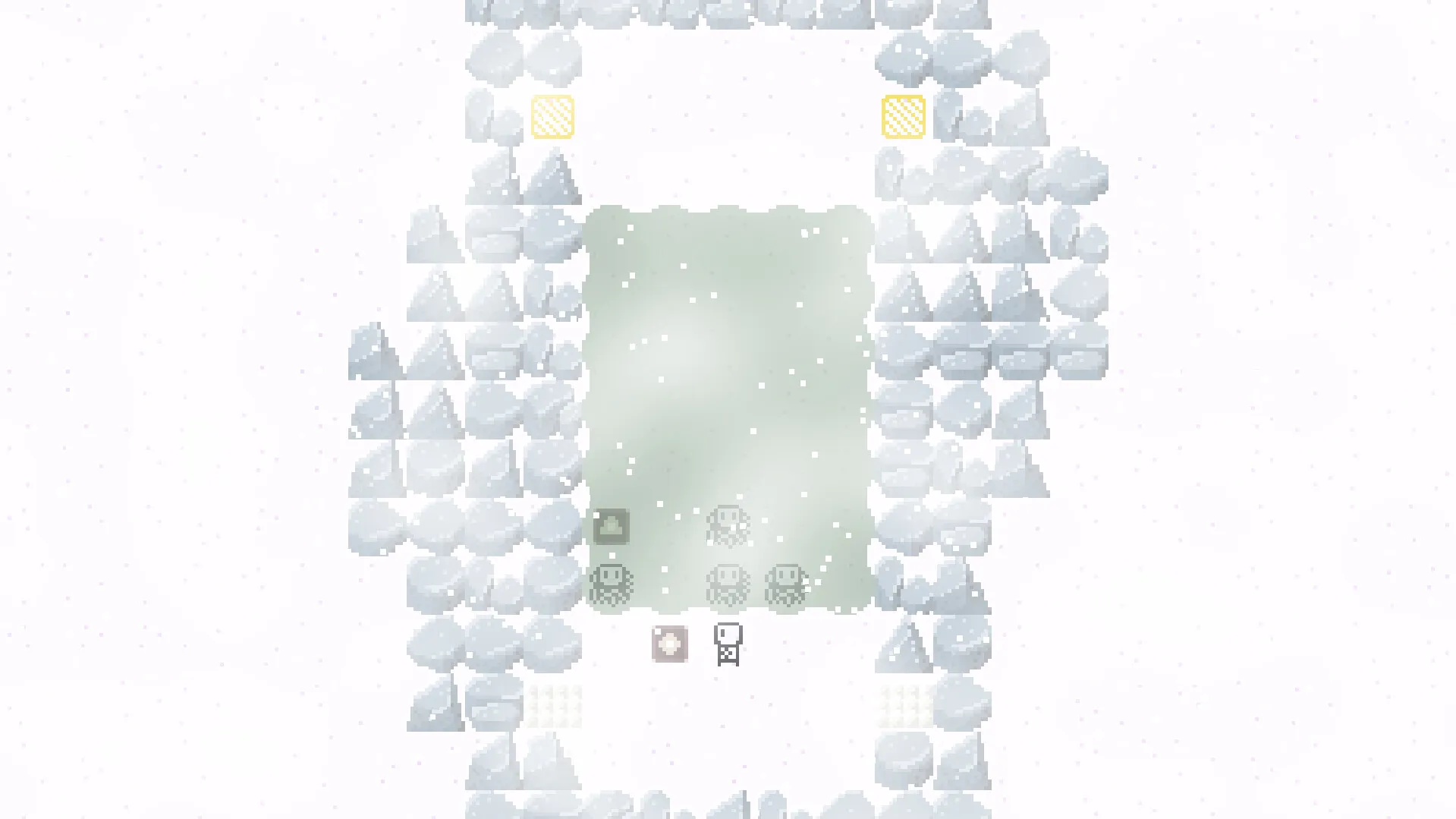
A detailed look at a Cryptigma level, featuring a top-down view of complex pathways and puzzle elements.
Q: What resources do you use to understand the complexities of the videogame market? With hundreds of new games every week on Steam, how will you move ahead in promoting and educating people about your game?
For me, this whole process of marketing and outreach for the game is much more confusing than actually creating the game. Now this may just be because it is my first time on the marketing rodeo but for me this is the most difficult part right now. So I am kinda figuring it out as I go along.
Q: In terms of what you invested other than time, what did Cryptigma cost in terms of development budget?
Excluding time there was just the $100 fee from Steam to upload the game. So outside of the $100 fee everything was created with the free tools that you can get on the internet for free.
Q: If you could develop any kind of game in the world what would your dream project be?
My dream project is less of a specific game idea and more about what I would want the game to accomplish, not in terms of revenue or fame but more in terms of how I would want the player to react to the game. My dream game would be a game that has the same emotional impact of the games that have touched me. This doesn’t mean they have to be games that are overly dramatic. Some just seem to have a natural beauty. Or it could be a type of game that has a great story that inspires those that play. There are lots of games that have inspired me. Fez. The Beginner’s Guide has an amazing story. Portal and Portal 2 are fantastic. Hollow Knight and Celeste have just a great overall quality for the game. Inscryption really inspired me with its novelty and for how far it takes a concept in its gameplay. So my dream would be to build a game that can have the emotional impact as one of those games.
Conclusion
Thanks to talented indie game developers like Jack Garvin, we get to experience games that not only challenge our minds but also remind us of the artistry behind game development. Cryptigma is a shining example of the creativity and passion that indie devs bring to the gaming world. Whether you’re a puzzle aficionado or just looking for your next adventure, Cryptigma promises a rewarding journey that you won’t want to miss.
Written by Ronny Fiksdahl, Founder & Editor of Fix Gaming Channel.