

A storyteller moving between RPGs, novels, and player choice
Jakub Szamalek is one of those creative voices whose work sits across several worlds at once. For many players, his name connects to some of the most memorable modern RPG storytelling, including The Witcher 3: Wild Hunt, Cyberpunk 2077, and now Rebel Wolves’ upcoming dark fantasy RPG The Blood of Dawnwalker.
But this conversation also moves beyond games. With Inner Space, Szamalek steps into English-language fiction with a claustrophobic technothriller built around the International Space Station, human ambition, mistrust, and the fragile line between cooperation and conflict.
For readers who follow our Art in Games and industry interview coverage, this is a fascinating look at how narrative changes when a writer moves between branching RPG design and the tighter control of a novel.
Editor’s update: Since this interview was first published, Inner Space is now available through HarperVia / HarperCollins, while The Blood of Dawnwalker has been dated for September 3, 2026.
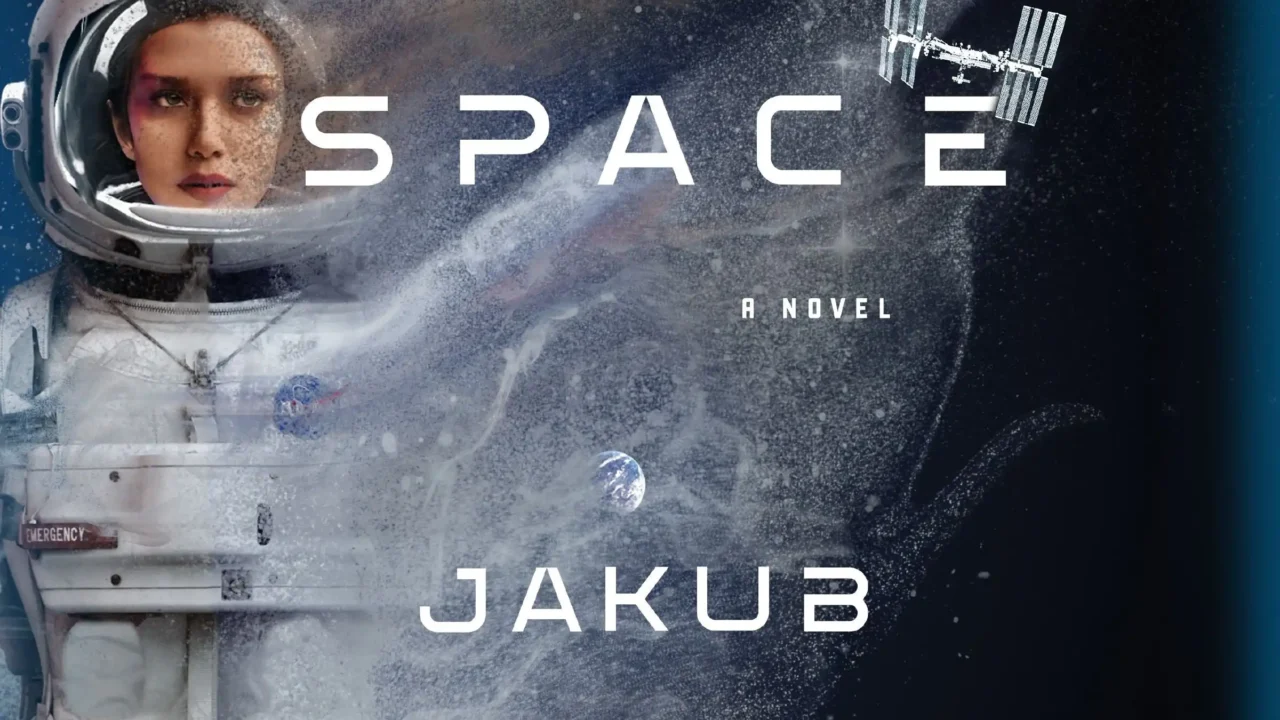
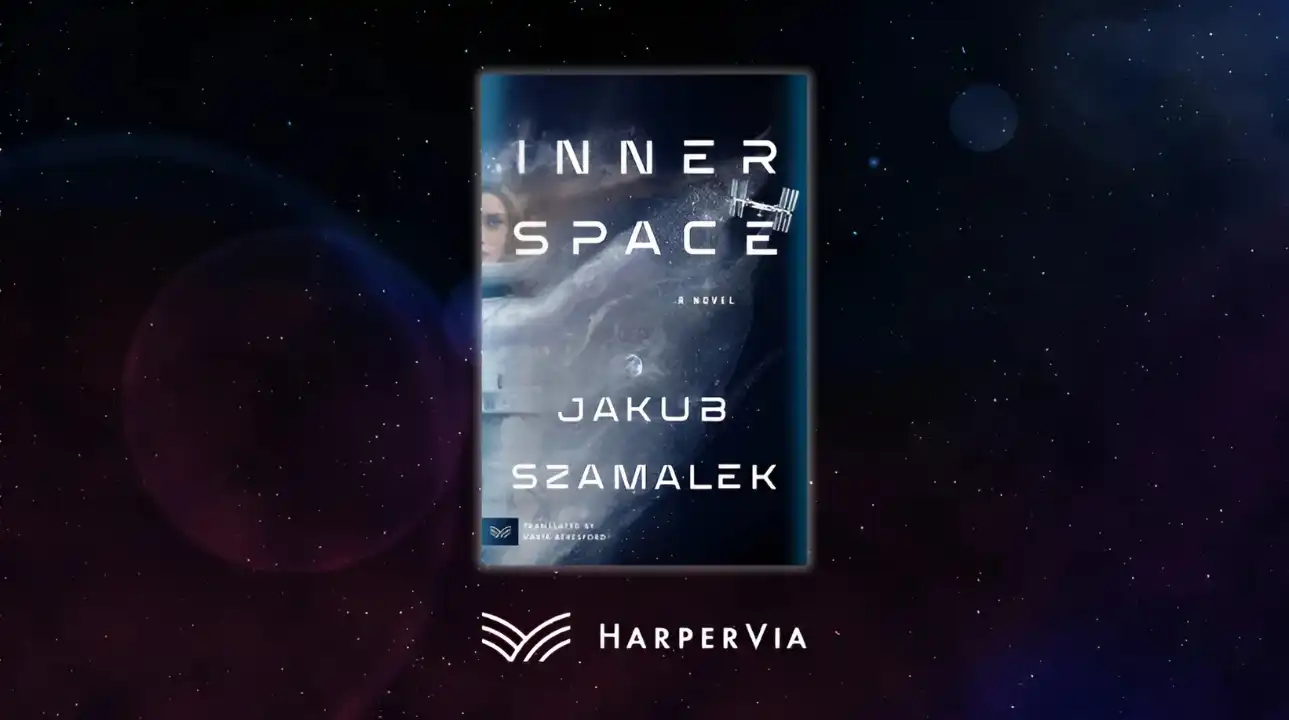
Inner Space by Jakub Szamalek – Official book cover featuring a female astronaut, the ISS, and Earth.
Inner Space follows Lucy Poplasky, one of the ISS’s first female commanders, as an ammonia leak triggers suspicion and mistrust between American astronauts and Russian cosmonauts. Accusations of sabotage, cultural divisions, and the ticking clock of survival push every character to their limits. Having already found success in Poland, Szamalek brings this space-based political drama to an English-language audience with the same narrative skill that made his games unforgettable.
In our conversation, we talk about the leap from AAA game writing to novels, the inspirations behind Inner Space, and what players can expect from The Blood of Dawnwalker.
Interview with Jakub Szamalek
From AAA to Indie to Author
You helped shape two of the biggest modern RPGs — The Witcher 3 and Cyberpunk 2077. After all that, what pushed you to write a novel like Inner Space and co-found Rebel Wolves?
I love writing for video games, but video games – especially the ones I tend to work on – tend to be huge titles, resulting from coordinated team effort. And so, I need to adjust my writing voice to the requirements of a given project. Every once in a while, though, it feels nice to write solo – explore something that fascinates me. “Inner Space” was exactly that.
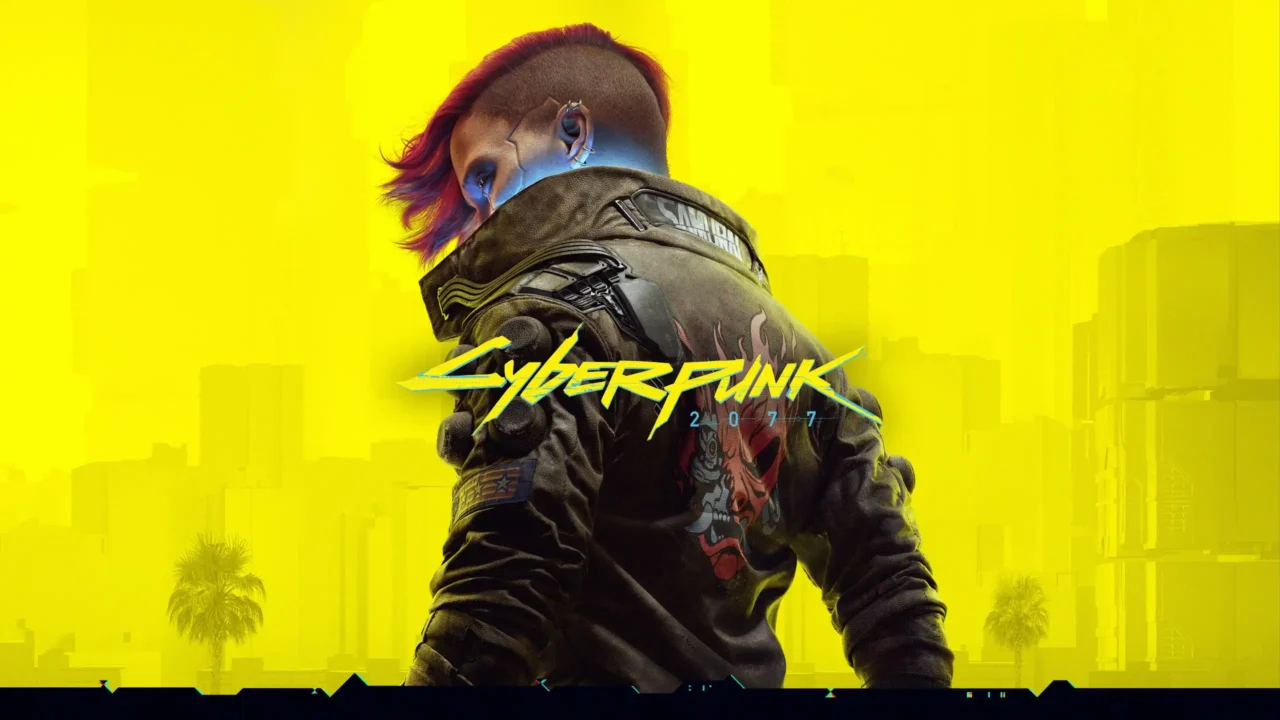
Official promotional image for Cyberpunk 2077, showcasing protagonist V wearing the iconic Samurai jacket.
You’ve written stories inside massive teams and now you’re out on your own with Inner Space. Which feels more natural to you at this point — collaboration or total creative control?
Writing for video games is definitely my main focus, so collaboration feels more like my “default mode”. But this is exactly why writing a book is such a fun diversion – I get to forget about budgetary constraints. When I’m writing for video games, I need to take multiple limitations into account – will the art team be able to create the assets I need? Will the animators have the time to set up the scene the way I imagined it? And so it goes. But with books, sky is the limit.
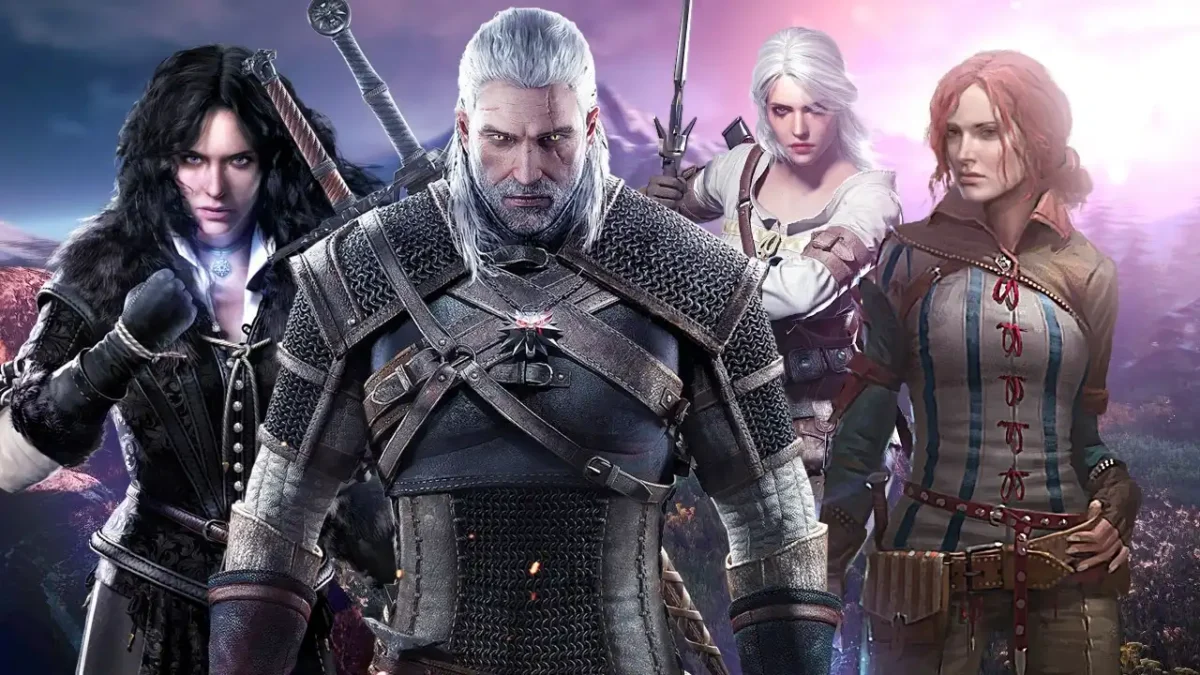
Promotional artwork for The Witcher 3: Wild Hunt featuring Geralt of Rivia with Yennefer, Ciri, and Triss Merigold.
Let’s Talk Inner Space
What inspired you to set Inner Space aboard the International Space Station — and why use that setting to explore international conflict and trust?
It all started with my daughter, Matylda. When she was little, she was fascinated by space, the cosmos, and so on, and she had LOTS of questions about it. I quickly realized I’m not qualified to answer them to her satisfaction, so I started reading about space and the more I read, the more I wanted to know. Then, one summer, we took Matylda to the Space Museum in Toulouse. There’s a life-size replica of the MIR space station there, and you can actually step inside it. And the very moment I did, I felt claustrophobic.
The space was tight, there were wires and buttons everywhere, everything looked industrial and drab. And then it struck me – this is where people spend months, flying through cold, lethal void? Why would anyone do it? And what if you’d be stuck there with someone you hate? As for geopolitics… It’s hard not to think about the topic these days. I grew up in the 90s, when it seemed that history has ended, democracy has triumphed and we will all live happily ever after. The ISS itself emerged from this optimism – it’s an international project built on the assumption that we can overcome our differences for the greater good. And now it’s a bit like a house shared by a divorced couple – the Americans and Europeans are stuck there with the Russians, and this collaboration grows more and more tense. It’s easy to imagine things going south… And take it from there.
Lucy’s a great lead — grounded, capable, but still human. What was the most difficult part of writing her under pressure in such an isolated, hostile setting?
I guess the biggest challenge lies in that she has to maneuver with so many constraints in mind. She can’t do whatever she pleases, what she thinks is right, without considering the complex geopolitical web she found herself tangled in. There’s so much conflict within her – Should she follow her orders, or follow the requests of her scheming superior? Should she try to incorporate the Russian crewmembers into her decision making – to build trust – or cut the ties? Was she right to prioritize her ambitions, or should she have focused on her loved ones instead? But I think all these dilemmas ultimately make her an interesting protagonist, too.
How did your experience from writing for non-linear games help — or maybe even get in the way — when tackling a tightly controlled thriller like this?
Yes, experience with branching stories comes in handy. “Inner Space’ is told through multiple POVs, with each character providing their unique take and perspective, but all these threads needed to be weaved into a coherent whole. It could be a daunting process, but since I’m dealing with sprawling storylines on a daily basis, I managed to get it all under control… I think!
People are already comparing the vibe to Gravity or The Martian. Were any movies or books in your head while writing it?
While working on Inner Space, I was definitely thinking about Stanislaw Lem, the author of Solaris and many other great books, who was the master of marrying science, space exploration, and gripping stories. The cosmos in his novels somehow seemed vaster, and more complex, than anywhere else. I’m also a huge fan of the Expanse series, which explores the interplay between space exploration and politics — albeit in a sci-fi setting. Other than that – I’d mention Apollo 13 and First Man. I enjoyed how both of them gave lots of time to the ground crews, who are just as important as the astronauts. They play an important role in Inner Space, too.
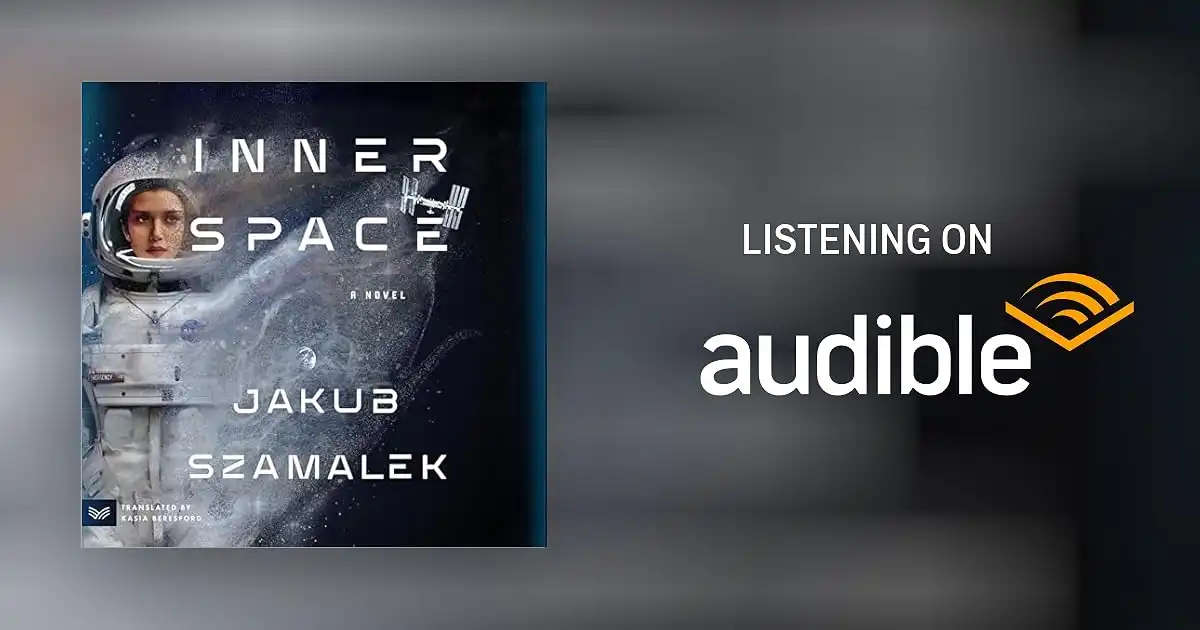
Inner Space by Jakub Szamałek – Available on Audible.
Now at Rebel Wolves
You’re now at Rebel Wolves, working on The Blood of Dawnwalker. What makes this new world stand out from everything you’ve done before?
I’d say it’s our focus on player freedom and agency. Two people playing The Blood of Dawnwalker will have very, very different experiences – one can embrace the vampiric side of Coen and explore supernatural quests, whereas the other might decide to fight for the protagonist’s humanity and join the anti-vampire rebellion. Both, I hope, will have a blast!
The Blood of Dawnwalker – Gameplay Video
Official gameplay footage from The Blood of Dawnwalker website.
Join Our Newsletter
Stay updated with the latest interviews, previews, and indie gaming news from Fix Gaming Channel.
If someone loved The Witcher 3, what can you tease about The Blood of Dawnwalker that might speak to them? Tone? Themes? Worldbuilding?
The feature I’m most excited about is the idea of the narrative sandbox. What we mean by this term is an open world game where there’s no distinction between side quests and main quests – there’s just the starting point and a goal you are supposed to reach. How you do it it’s entirely up to you.
There are multiple storylines you can decide to engage with, but you may as well skip them all and still complete the game.
Process & Perspective
How different is your headspace when writing about a single character like Lucy versus juggling all the branching character arcs in a big RPG?
Oh, it’s nice to be able to focus on a few characters, give them all the space they need. I also enjoy being able to represent their inner dialogs and dilemmas – something that’s very hard to convey in video games (which is why game protagonists keep talking to themselves!). On the other hand, I miss the element of choice – it’s one of my favorite narrative tools, but I had to put it away this time.
What’s your day-to-day like now? Balancing novels and narrative direction — how do you split your time and creative energy?
I try not to overwork myself – as I’ve been known to do in the past – so instead of trying to juggle several projects at once, I do my best to stagger them. The video game production cycle is long, and there are moments of intense work – which leaves me drained of my creative juices – but then come the lulls, however rare and brief, allowing me to express myself in other media. I really like this rhythm!
Looking Ahead
You’ve got a foot in both worlds now — games and novels. Do you see yourself sticking with both long-term, or is one starting to feel more like home creatively?
I think games will remain my main focus, because they offer so much more space for innovation. Books have been around for a good while and it’s really hard to come up with something that’s never been tried before. Really, we’re just telling and retelling the same stories, just for different audiences and contexts. But the element of interactivity is a real game changer – the tried and tested methods developed by novelists don’t work as well here. And so, you have to figure out new ways to tell stories, blaze new trails – and I find it endlessly fascinating.
Discover more
You can find more about Jakub Szamalek through his official website. Inner Space is available through HarperCollins, while more information on The Blood of Dawnwalker can be found through the game’s official website and Rebel Wolves.
Related Reading
- Fred Gambino on Dark Shepherd and the Future of Sci-Fi Art
- Matt Essom Talks Max Payne, UFC 4, AI Art, and Creative Discipline
- Behind the Scores: Benedict Nichols on Game Music, OMNO, and The Falconeer
Written by Ronny Fiksdahl, Founder & Editor of Fix Gaming Channel.
For tips, corrections, interview requests, or developer stories, email contact@fixgamingchannel.com.