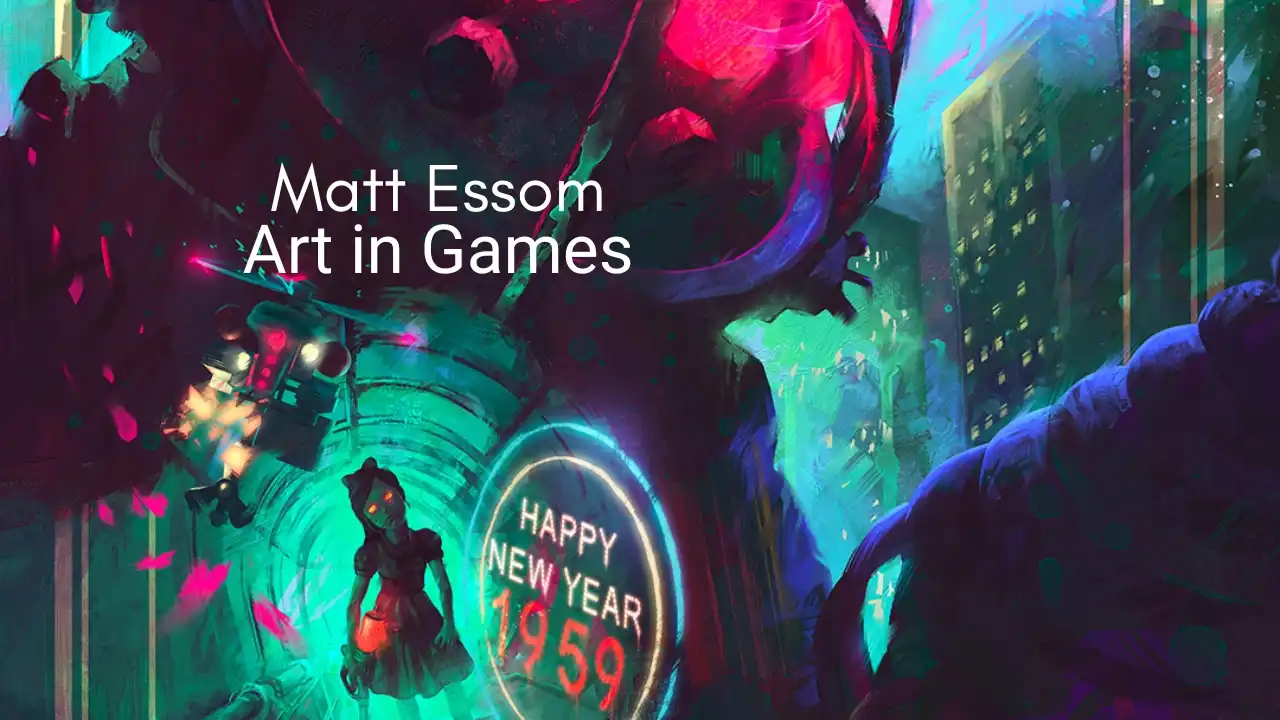
A colourful creative path shaped by instinct, discipline, and a love for expressive art
As part of our Art in Games series, we spoke with Northampton-based freelance illustrator and concept artist Matt Essom, whose client list includes Netflix, EA Sports, UFC, Paramount+, Lionsgate, and TNT Sports. His work carries a vivid, high-energy style that feels instantly recognisable while still adapting across different creative spaces.
This conversation touches on the worlds he would love to work in, the artists who shaped his style, the value of human-made art in the AI era, and the reality of staying disciplined in a difficult industry. It also fits naturally alongside broader creative conversations in this series, including our feature with Arnie Jorgensen on AI’s impact on creativity.

Illustrator and concept artist Matt Essom.
You can find more of Matt’s work here: Portfolio | Instagram
Join Our Newsletter
Stay updated with the latest interviews, previews, and indie gaming news from Fix Gaming Channel.
Is there a game or film franchise you’d love to work on, given the chance, where you think your style might be a good fit?
I’d love the opportunity to work on a remake of Max Payne.
The original game had such a huge impact on me when I first played it, so to contribute in any way would be an incredible experience.
I also think it would be a really interesting challenge to apply my use of vibrant colour within a dark, gritty, cinematic world.
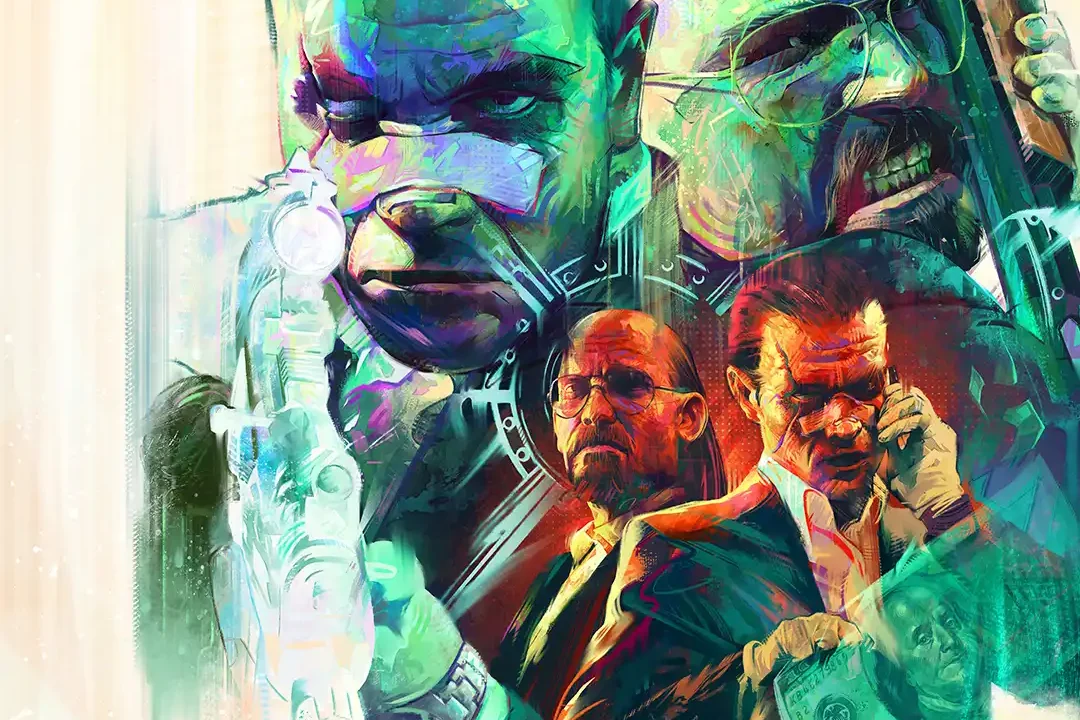
Matt Essom’s Kane & Lynch fan art shows the darker, cinematic side of his style.
Which art or artists inspire you? Your style is quite diverse, but you have one particular style that uses vividly bright colours. How did that technique come about?
My dad was a huge inspiration growing up, as he’s a traditional artist, so my passion for art definitely came from him.
Another artist who had a massive impact on me is Stephen Bliss.
His work on the Grand Theft Auto series is recognised worldwide and really defined a generation. Seeing his work as a young artist made me realise that you could actually make a career out of creating art for video games.
My style sort of developed through practice and experimentation over the course of nearly 20 years as a digital artist. I found a workflow that I enjoyed and then just started to push it more. I’ve painted in so many different ways over the years, and I think over time I’ve just picked up various methods I’ve enjoyed and mashed them all together.
In terms of academic training and the surge in AI, do you think there’s a very real threat that traditionally trained artists and the courses that support creative education will become less relevant?
I don’t think they will become less relevant.
I’ve already seen quite a bit of backlash online towards companies that use AI art instead of human-made work. Art created by an artist’s imagination is far more powerful than simply inputting data into a machine that generates an image.
In a way, I think it actually increases the value of people with creative skills, because anyone can use AI, but not everyone can create something original.
In your experience, are studios putting a lot more emphasis on artists who can adapt their style and approach creatively? Is that a vital component of being hired in today’s creative market?
It certainly depends on the job you are looking to do. As a marketing artist, I’m hired based on my ‘style,’ but I’ve worked as a 2D artist on projects that require more general knowledge.
As a concept artist, having skills in all areas is going to be more valuable to a company.
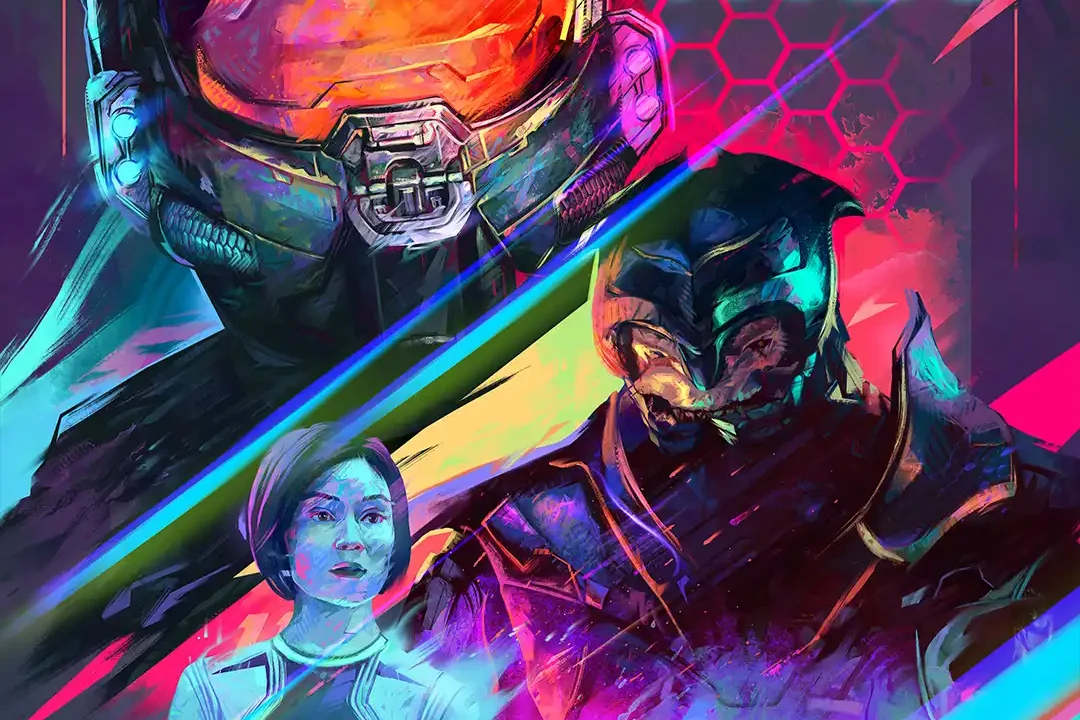
Matt Essom’s Halo artwork reflects the adaptability of his style across major franchises.
During your time providing art for various game projects, what has been the most challenging and why?
My most challenging project so far has been working on EA Sports UFC 4. The project itself was amazing, the brief was clear and the support was fantastic, but I put so much pressure on myself to deliver that I made it way more stressful in my head than it needed to be — definitely a lesson learnt.
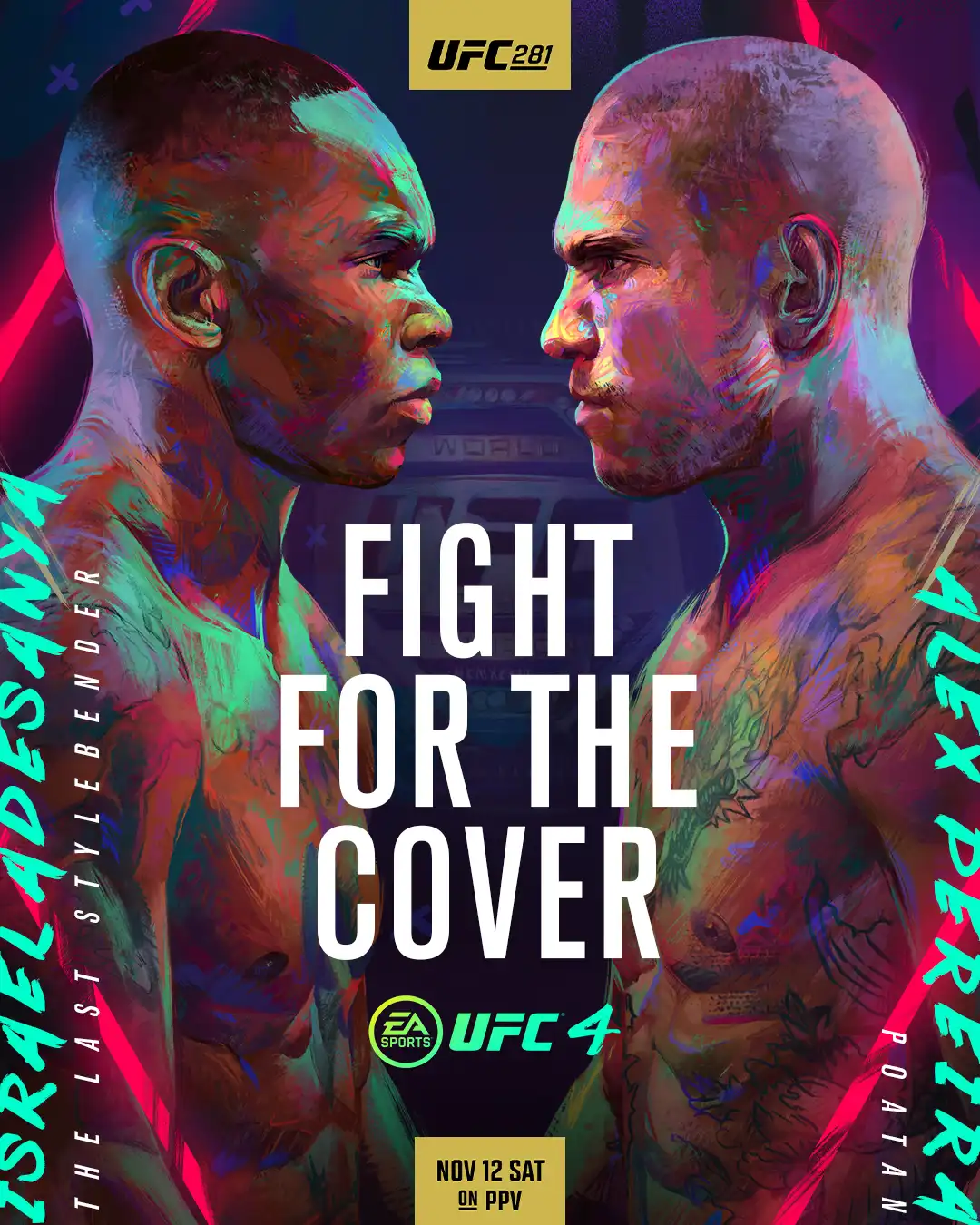
Matt Essom’s UFC artwork highlights another side of his commercial work across major sports projects.
What would be your advice to anyone reading this who is thinking about a career in videogames as an artist?
I’d say don’t let other people’s opinions stop you from chasing your own dreams. I had a lot of support from family and friends, but also a fair few people who questioned what it was I wanted to do.
Just because others can’t see your vision doesn’t mean you should give up on it.
In terms of practical advice, I’d say start to network with people who share the same goals as you. Being an artist can be a lonely path at times, so it’s important to find your community.
If you have a specific company you want to work at, start to tailor your work towards the art that that company does.
And finally, don’t be afraid to message people who work at the companies you are interested in.
I spent way too long worrying about what people might say, time that I wish I’d used networking.
In summary: Don’t give up, find your community, network, network, network.
What has been the most important skill you learned as an artist?
Discipline. Getting up and drawing nearly every day takes discipline, but you have to put in the hours, like with anything you wish to get better at in life.
From a technical standpoint, learning how to use colour has also been my most important skill. I struggled so much when I was younger, but now I think it’s my best asset.
2025 was one of the most challenging years for creatives in the game industry, and for individuals who have made considerable contributions to videogames — what’s your hot take on the state of the games industry right now?
I have many friends who have lost jobs at companies and who are still out of work, despite their work being top tier. It’s sad to see, and I really hope that things change.
My hope is that smaller indie developers will get more opportunities to create meaningful games with passionate artists.
What resources do you use day to day? Are there any essential ones that really help you creatively when you need them?
A lot of my knowledge about colour comes from an artist called Marco Bucci. His YouTube channel is an incredible resource for artists, and the way in which he explains things makes it easy to digest.
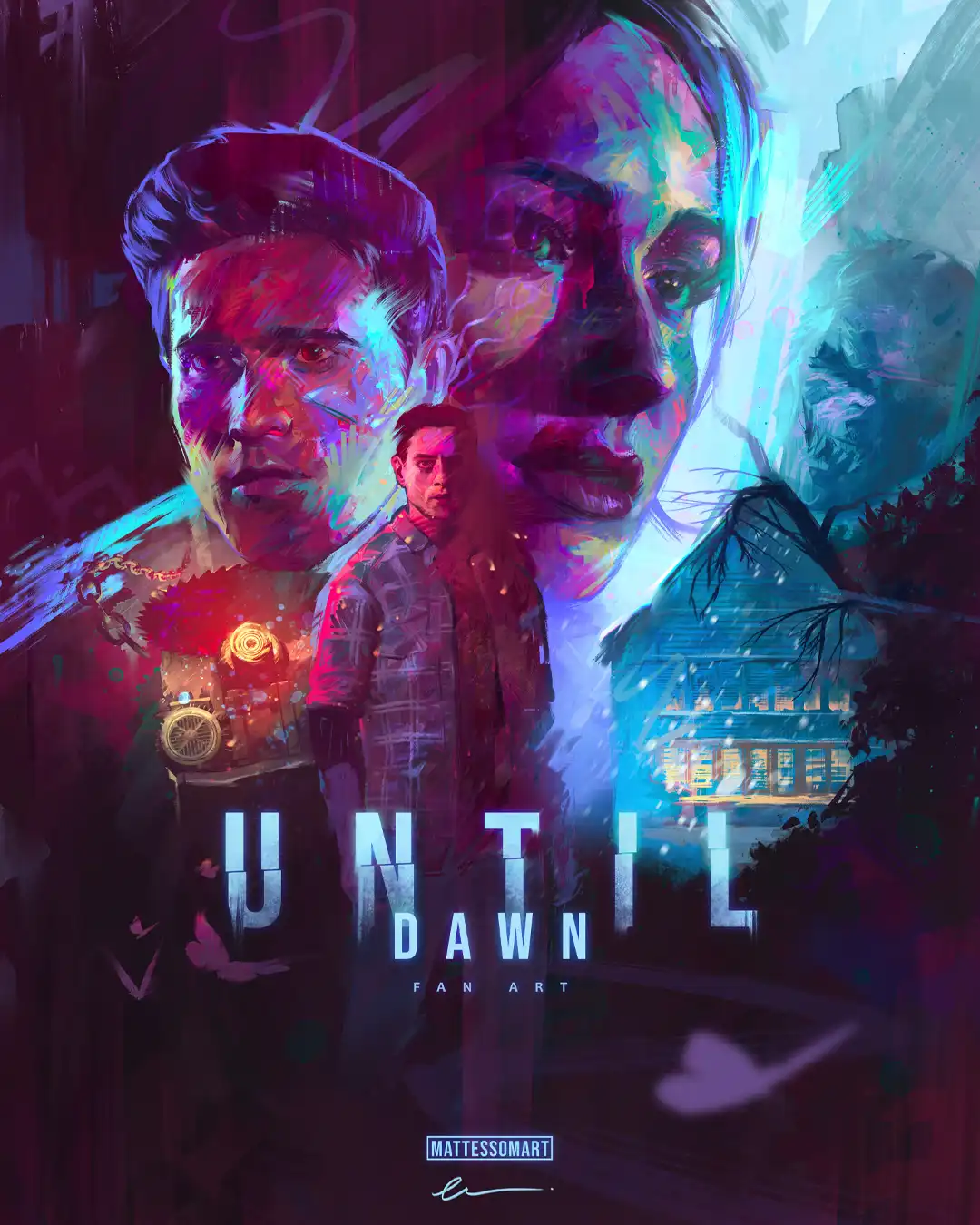
This Until Dawn piece closes the article with another strong example of Matt Essom’s dramatic visual style.
Related Reading
- More Art in Games interviews
- Arnie Jorgensen discusses AI’s impact on creativity
- Fred Gambino on Dark Shepherd and the future of sci-fi art
- Behind the Scores: Benedict Nichols on game music and creative identity
Written by Ronny Fiksdahl, Founder & Editor of Fix Gaming Channel.
Send interview pitches, corrections, tips, or developer stories to contact@fixgamingchannel.com.
Support independent games coverage on Ko-fi.