A striking desert fairy tale that shows promise but never fully comes alive
Reviewed on PC.Score: 6/10
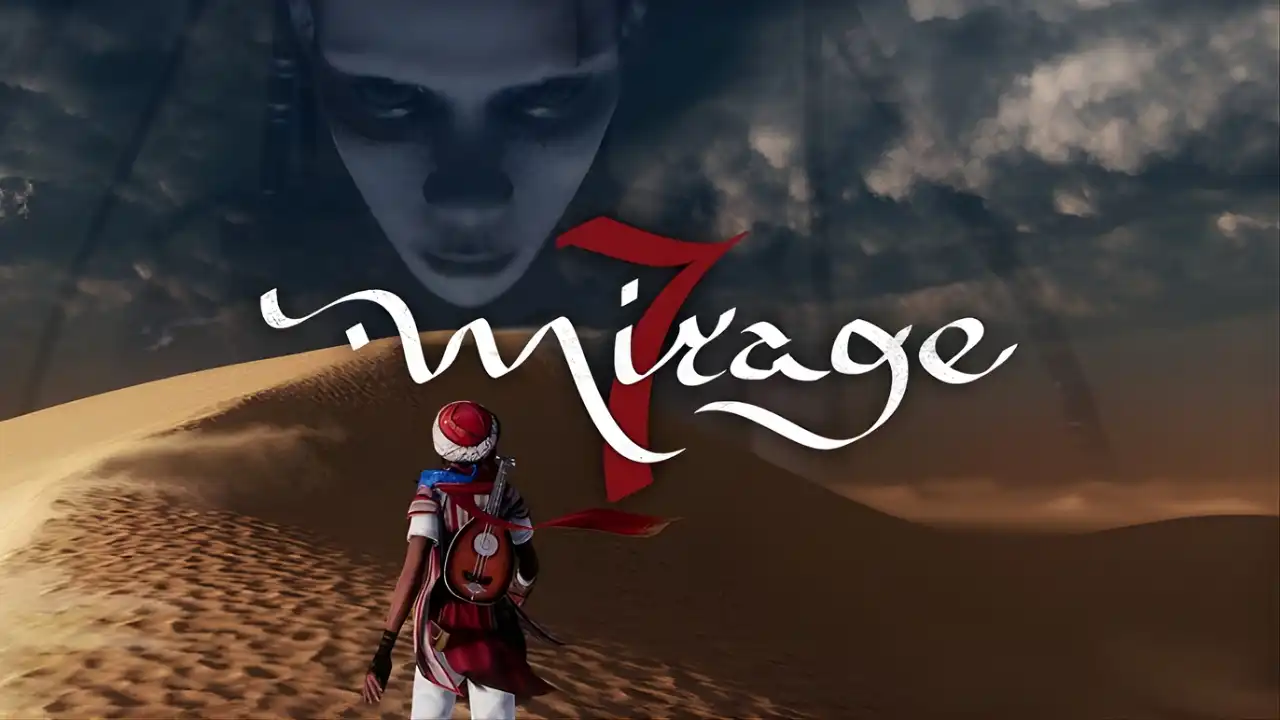
Mirage 7 opens with an interesting setup. You follow Nadira and her pet lizard Jiji through a desert world filled with dunes, ruins, survival mechanics, and a fairy tale tone that feels different enough to catch your attention early. Jiji is not just there for show either, as his ability to locate hidden items is tied directly to progression and several of the game’s early quests.
There is a decent idea at the centre of it all. Crafting asks you to combine items that logically fit together, sometimes with a bit of trial and error, while survival elements like collecting water in a canteen are used to reinforce the harsh setting. The problem is that the game never turns those ingredients into something consistently engaging. Instead of building momentum, it often settles into repetition far too quickly.
Mirage 7
Release: 6 Mar, 2026
Genre: Adventure, Indie
Developer / Publisher: Drakkar Dev, Blowfish Studios
Platforms: Steam, Epic Games Store, GOG, PlayStation Store, Xbox
What works
To the game’s credit, there are parts of Mirage 7 that genuinely work. The voice acting helps a lot. It gives Nadira more personality and presence, and it is honestly refreshing to hear a real performance instead of something lifeless and artificial. Visually, the game also has strengths. The environments are detailed enough to show care, and there is some nice variety in the presentation even when the spaces themselves feel too empty.
That visual style is probably the game’s biggest asset. The desert setting, the fairy tale framing, and Jiji’s role as a companion give Mirage 7 an identity of its own. It just needed stronger gameplay systems around it.
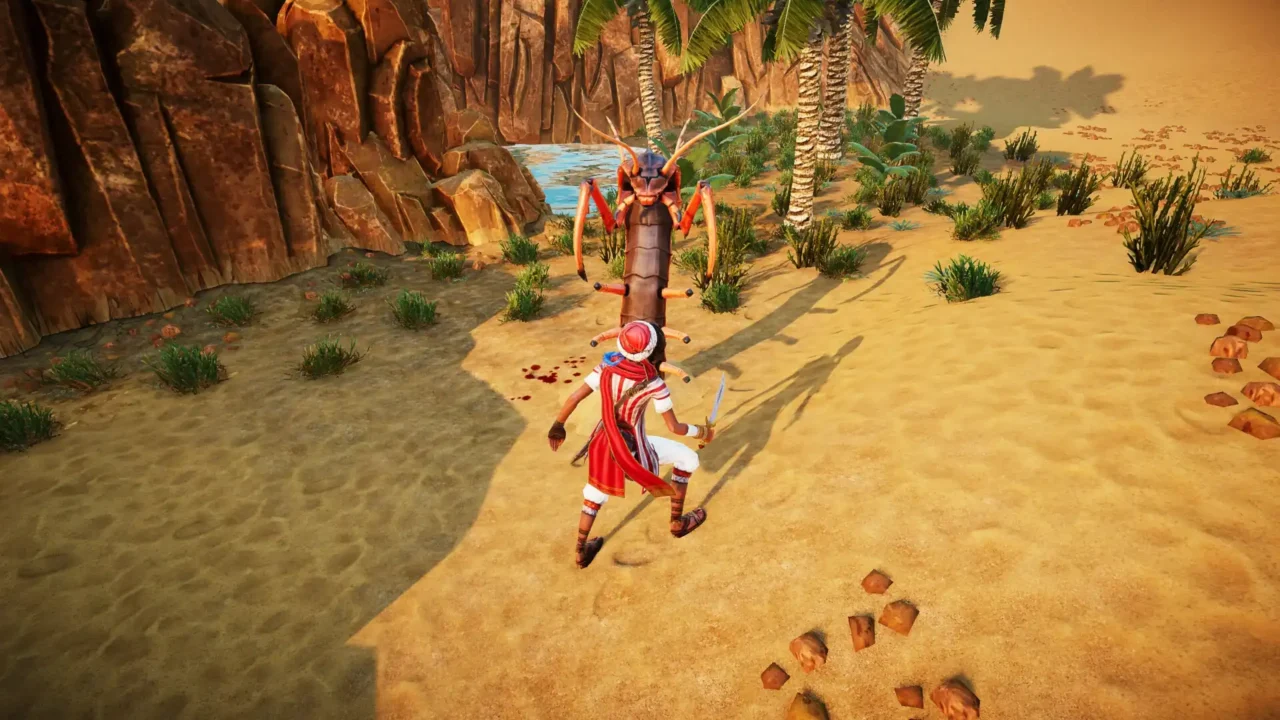
Nadira faces one of Mirage 7’s desert enemies in an early combat encounter.
Where it starts to lose you
The early part of the game leans too heavily on fetch quests. Get wood, find this item, use Jiji to sniff out something hidden, then repeat. That loop quickly makes the experience feel less like an adventure game and more like a point-and-click structure with some movement layered on top. For a game that clearly wants to pull you into a mysterious world, it spends too much time asking you to do routine tasks.
Combat also feels undercooked. It is very one-dimensional, and after a short while the pattern becomes obvious. Against the sand digger enemy, it mostly comes down to spamming your dagger attack, dodging when the enemy erupts from the sand, and repeating that until the fight ends. I fought the same enemy type twice and never really felt any danger or tension. It is functional, but there is very little excitement in it.
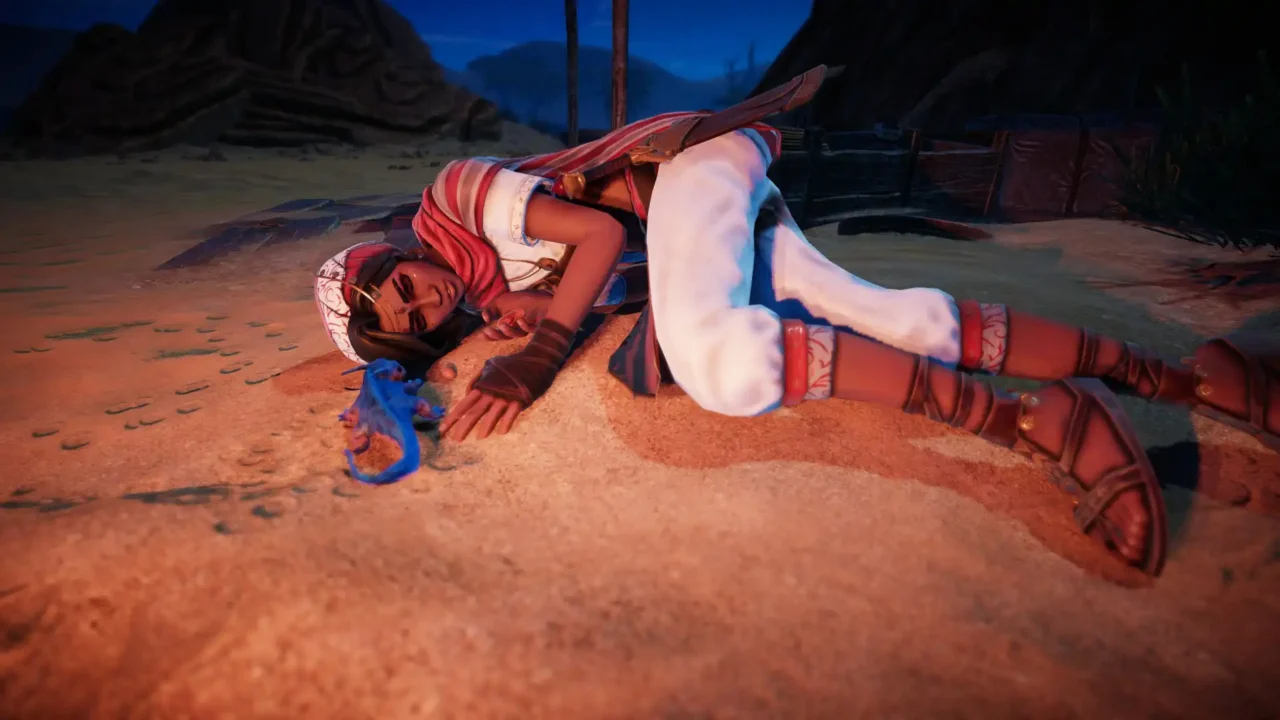
Nadira and Jiji share a quiet moment in the desert in Mirage 7.
The controls do not help either. Mouse controls feel awkward, especially when you need to merge items in the inventory, and even though you can use a controller, the whole setup still feels like it needs more polish. Using keys like W and D to move through inventory slots is tedious, and when the game already asks you to spend a lot of time handling items, that friction becomes more noticeable than it should be.
A world that needs more life
One of the biggest missed opportunities is the world itself. Your path feels too predetermined, and there is very little reason to explore beyond what the game directly points you toward. Hidden treasure, optional discoveries, or even a few memorable side details could have helped make the desert more rewarding to move through. Instead, large parts of the landscape feel sparse, with rocks, dunes, and hills doing most of the work.
It is the kind of setting that needed more life in the background. Small touches like wildlife, camels, environmental storytelling, or more signs of survival would have gone a long way. The same goes for Nadira herself. Extra reactions to the heat, the sand, or the need to rest would have made the journey feel harsher and more believable. Those little details matter in a game like this because they help sell the atmosphere, and right now that side of the experience feels too light.
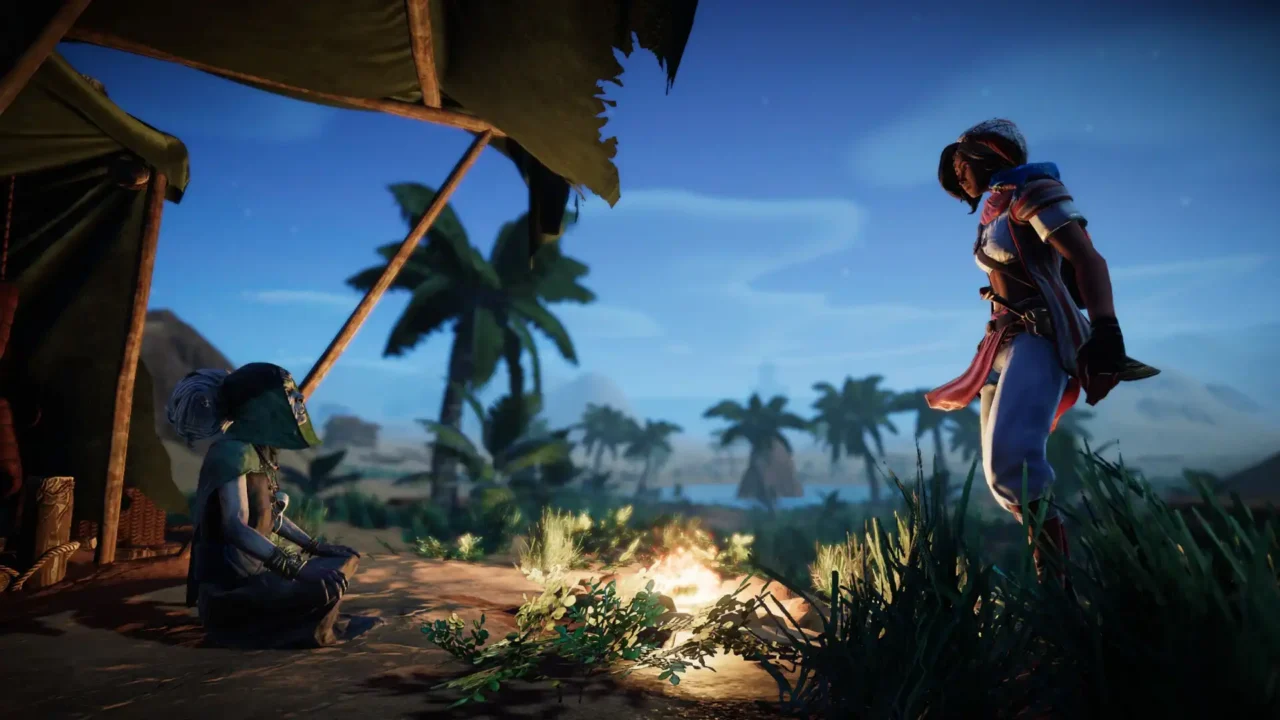
A campfire encounter in Mirage 7 hints at the game’s narrative and world-building.
Even the achievement design feels too generous too early. Unlocking roughly a quarter of the achievements just by playing through the tutorial makes them feel less earned, and that weakens what should have been a satisfying reward loop.
Verdict
Mirage 7 borrows elements from adventure games, point-and-click design, and survival mechanics, but it never brings those parts together in a way that becomes truly gripping. There is a decent concept here, and some of the presentation works in its favour, but the moment-to-moment experience is too repetitive, too limited, and too predictable to really stand out.
It would have benefited from leaning harder into its fairy tale identity and giving players more rewarding exploration, more layered combat, and a stronger sense of danger or wonder. As it is, Mirage 7 falls short of the kind of action-adventure games it invites comparison with. Basic crafting, fetch-heavy progression, awkward controls, and lacklustre combat hold it back from being much more than a modest idea with some charm.
Mirage 7 – Trailer
Join Our Newsletter
Stay updated with the latest interviews, previews, and indie gaming news from Fix Gaming Channel.
Related reading on Fix Gaming Channel
If you enjoy story-driven or atmospheric adventures, you can also read our thoughts on Steel Seed and Indika.
Written by Andrew C for Fix Gaming Channel.
Send interview pitches, corrections, tips, or developer stories to contact@fixgamingchannel.com.
Support independent games coverage on Ko-fi.