



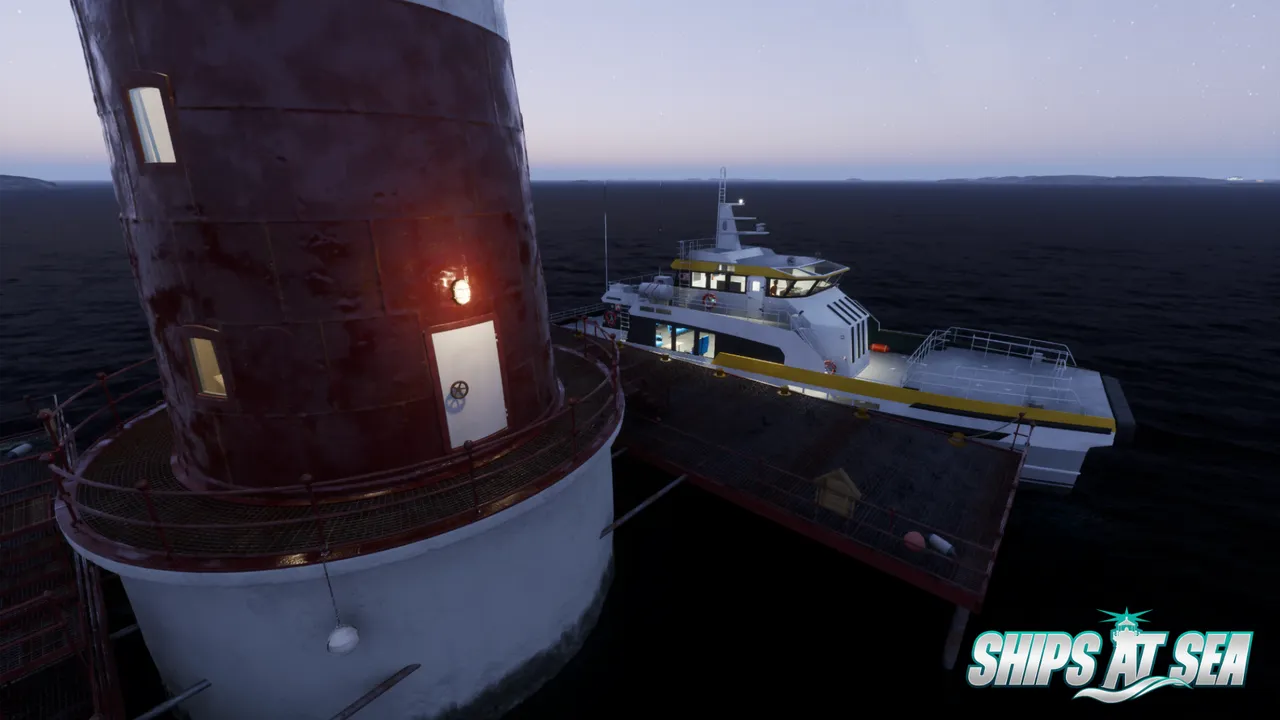
From a Fishing Prototype to Building a Studio on Its Own Terms
Gøran Myrland and Yasemin Hamurcu discuss the origins of Misc Games, its return to independence, the rebuilding of Ships At Sea, and the economic realities of creating games in Norway.
Norwegian developer Misc Games regained full ownership of its studio in October 2025. In this written interview for Fix Gaming Channel, Gøran Myrland and Yasemin Hamurcu explain how their shared interest in gaming led to a commercial fishing simulator, why they bought back outside shares, and how Ships At Sea has evolved during Early Access.
Their experience is part of a wider discussion about studio ownership and sustainability, a subject we have also followed through our coverage of Grasshopper Manufacture returning to independent development.
Ships At Sea — Official Trailer
Watch the official Ships At Sea trailer on YouTube
More Original Developer Interviews
Follow the independent studios and people building games behind the headlines.
Join Our Newsletter
Stay updated with the latest interviews, previews, and indie gaming news.
From the Demoscene to a Norwegian Fishing Game
How did each of you find your way into the games industry, and what brought you together at Misc Games?
Gøran Myrland:
I think we both belong to a generation that grew up during an extraordinary period of technological change. We witnessed the rise of home computers, gaming consoles, and eventually the internet. For me, growing up in Norway, it started with the Commodore 64. I became interested in programming at an early age and was involved in the demoscene, where people experimented with programming, graphics, and music, pushing the limits of what computers could do back then.
But I also grew up with a very different influence. Both my grandfather and father owned fishing vessels and were involved in commercial fishing, so the maritime industry was always part of my life. When I was around 18, I worked aboard a trawler myself. After experiencing the hard physical work, including gutting fish, I realized that working at sea wasn't necessarily the future I wanted for myself. But the experience stayed with me, and that's where the first idea of creating a commercial fishing simulator was born.
I eventually pursued a successful career as an IT consultant, but the idea never really disappeared. Years later, while still working full-time, I began developing a small 2D fishing game prototype in my spare time. I established Misc Games in Norway in 2013, and that early prototype would eventually become the foundation for Fishing: Barents Sea.
Yasemin Hamurcu:
My background was quite different, although our passion for technology and gaming was very similar. I grew up in West Germany when home computers and gaming consoles were becoming part of everyday life. My brother and I were fascinated by them. I still remember our Atari 2600, the first Game Boy with Super Mario, and the arcade machines where games like Street Fighter attracted so many young people. It was an exciting time to grow up, experiencing the rise of personal computers, the internet, and increasingly sophisticated games.
I didn't initially pursue a career in games, though. I went into medical technology and was living in Cologne, Germany. Being so close to gamescom, I had opportunities through friends and during my studies to attend gaming events, meet developers, and experience the industry from a different perspective. Gaming remained a big personal interest of mine.
Gøran and I actually met online in 2014 in a rather unexpected way. I was looking for a language-exchange partner, what we call a Tandempartner in Germany, because I wanted to improve my technical English. We connected almost immediately through our shared interests, particularly gaming and technology.
As our friendship developed, Gøran eventually shared the small prototype he had been working on for a commercial fishing simulator. What makes me smile looking back is that he actually sent me an Excel file so I could run and try it myself, even though we had never met in person! Thinking about it today, that was quite a leap of faith and trust. (laughs)
I remember thinking it was a fantastic idea. Germany has a very enthusiastic simulation gaming community, and with its own maritime and fishing heritage along the North Sea coast, I could immediately see the potential for a game that explored commercial fishing in a more authentic way.
At that point, we were both still working full-time in our respective professions, but we saw real potential in the project. During 2014, a 3D artist and programmers joined us, and we moved Fishing: Barents Sea from its original 2D prototype to Unreal Engine 4, allowing us to develop it into a fully 3D fishing simulation.
Then, in 2015, I suggested that we should go to gamescom and exhibit the game. Having lived in Cologne and being familiar with the event, I felt it was an opportunity worth taking, even though we were still a very small team. That turned out to be an important step for us. We eventually secured our first publisher, and suddenly the project began to take shape as a real commercial game rather than something we were developing alongside our regular jobs.
Looking back, it's quite remarkable how it all started. Two people from different countries, working in completely different industries, met through the internet. Neither of us could have imagined at that moment that we would eventually be building a game studio together. I think what made our collaboration work from the beginning was that we brought different experiences and strengths to the project, but shared the same enthusiasm and ambition to turn this small idea into something much bigger.
Independence, Investment, and Financial Risk
Misc Games regained full independence in October 2025. What has changed in the decisions you can make—and the risks you have to carry—since buying back the shares from Amplifier?
Our relationship with Amplifier was not one where our creative vision was restricted. We were able to pursue our ambitions for Ships At Sea, and we appreciate the time we worked together.
When the possibility arose for Misc Games to either be sold or for us to buy back the shares, we saw a valuable opportunity to regain full ownership of the studio we had built. We ultimately decided that becoming fully independent again was the right direction for us.
In terms of our day-to-day operations and creative decision-making, not much has actually changed. Amplifier was a shareholder, but we were never fully acquired. We were already responsible for managing the studio, making development decisions, and shaping the direction of our games.
What has changed is the broader business perspective. Being part of a larger publicly listed group naturally comes with financial expectations and a strong focus on commercial performance. As an independent studio, we still have to make responsible financial decisions and build a sustainable business, but we can now focus entirely on what makes sense for Misc Games and its long-term future, rather than also considering the expectations of a larger group.
Of course, full independence also means that the financial risks ultimately rest with us. But for us, regaining ownership was less about gaining creative freedom and more about having the opportunity to build the company on our own terms, balancing commercial sustainability with our long-term ambitions for Ships At Sea.
Having experienced both outside investment and independence, what should a small studio understand before signing with an investor or larger games group?
We think one of the most important things for a small studio is to understand that bringing in an investor is about much more than securing funding. It's about finding a partner who understands your vision, the type of games you're developing, and the time it takes to build a sustainable business in this industry.
Every investor naturally has commercial expectations, and there's nothing wrong with that. But it's important to understand those expectations from the beginning, particularly when it comes to financial performance, growth, decision-making, and long-term goals. A small studio developing a specialist simulation game may operate very differently from one producing games for a much broader market.
It's also important to understand the terms of the agreement and what they could mean several years down the road. What happens if the investor's strategy changes, if the studio needs additional funding, or if either party eventually wants to move in a different direction? It's worth discussing potential exit scenarios early, including what happens if one side eventually wants to sell its shares or end the partnership.
Our experience has taught us that outside investment can offer valuable opportunities, but both sides need to understand what they're committing to. For us, the most important advice would be to look beyond the immediate financial benefits and consider whether the partnership makes sense for the studio's long-term future.
Early Access, Player Expectations, and Rebuilding Ships At Sea
What should a paying customer reasonably expect from an Early Access game on day one, even when substantial development remains?
We believe that when someone pays for an Early Access game, they should already receive a playable and enjoyable experience, even if the game is far from finished. Early Access should not be an excuse for releasing something without a meaningful gameplay foundation.
Ships At Sea is our third game, but also our first Early Access title, and it represents a different approach for us. Commercial fishing has always been an important part of our games, and it will continue to play a major role in Ships At Sea, even beyond the full release. But this time, we wanted to create something much broader: a maritime simulation that we can continue building and expanding for years to come, without being limited by the scope of a traditional, finished game.
Early Access gives us the opportunity to develop that vision alongside our community. Player feedback plays an important role in shaping the game, not only by helping us identify bugs and technical issues, but also by showing us where gameplay systems can be improved, expanded, or sometimes reconsidered entirely.
Looking back, we also recognize that some systems in Ships At Sea were not as mature as we had hoped when we entered Early Access. This was our first experience with this development model, and we've learned a great deal along the way. Some challenges turned out to be more complex than we originally anticipated, and we know that our players have had to be patient while we worked through them.
That's also why we believe transparency is so important. Players should know what they're buying today, rather than making their decision entirely based on what the game might become in the future. Features may still be missing, systems may change, and technical issues can arise, but developers have a responsibility to communicate openly and continue making meaningful improvements.
Ultimately, we believe a paying customer should be able to enjoy the game in its current state while knowing that the developers are committed to supporting and improving it. Early Access is not a promise that everything will be perfect on day one, but it should be a commitment to honesty, meaningful progress, and respect for the people who have invested in your game.
Your team described how player feedback on rough-weather sailing exposed deeper problems in Ships At Sea. What convinced you that the underlying systems needed rebuilding rather than another patch?
Initially, much of the player feedback focused on how vessels behaved in rough weather. Players were experiencing excessive bouncing, jittering, and handling that didn't always feel natural. We made adjustments to the wave conditions and introduced options to customize wave heights, but over time it became clear that the problems went deeper than the weather itself.
With Ships At Sea, our ambition is to build a maritime simulation that can eventually support a wide range of vessels. Each comes with different characteristics and challenges, so we needed a physics system flexible enough to accommodate that diversity rather than relying on individual fixes. Unlike developing a simulator with a predefined selection of vessels and features, we're building Ships At Sea with the future in mind. We want to keep expanding it with new vessels, maritime industries, and more complex systems for many years, well beyond the full release.
As we investigated the feedback, we recognized limitations in our underlying ship physics and water interaction systems. Continuing to patch individual problems would not address the root causes or provide the flexibility we needed. Rebuilding those systems while supporting a live Early Access game was a significant undertaking, but we believed it was the right decision for the game's long-term health. We've already seen meaningful improvements in how vessels interact with the water, particularly in rougher conditions, and we continue refining the experience.
For us, it demonstrated how valuable player feedback can be. Sometimes a seemingly isolated gameplay issue reveals a deeper technical limitation, and addressing that foundation is ultimately more important than applying another temporary fix.
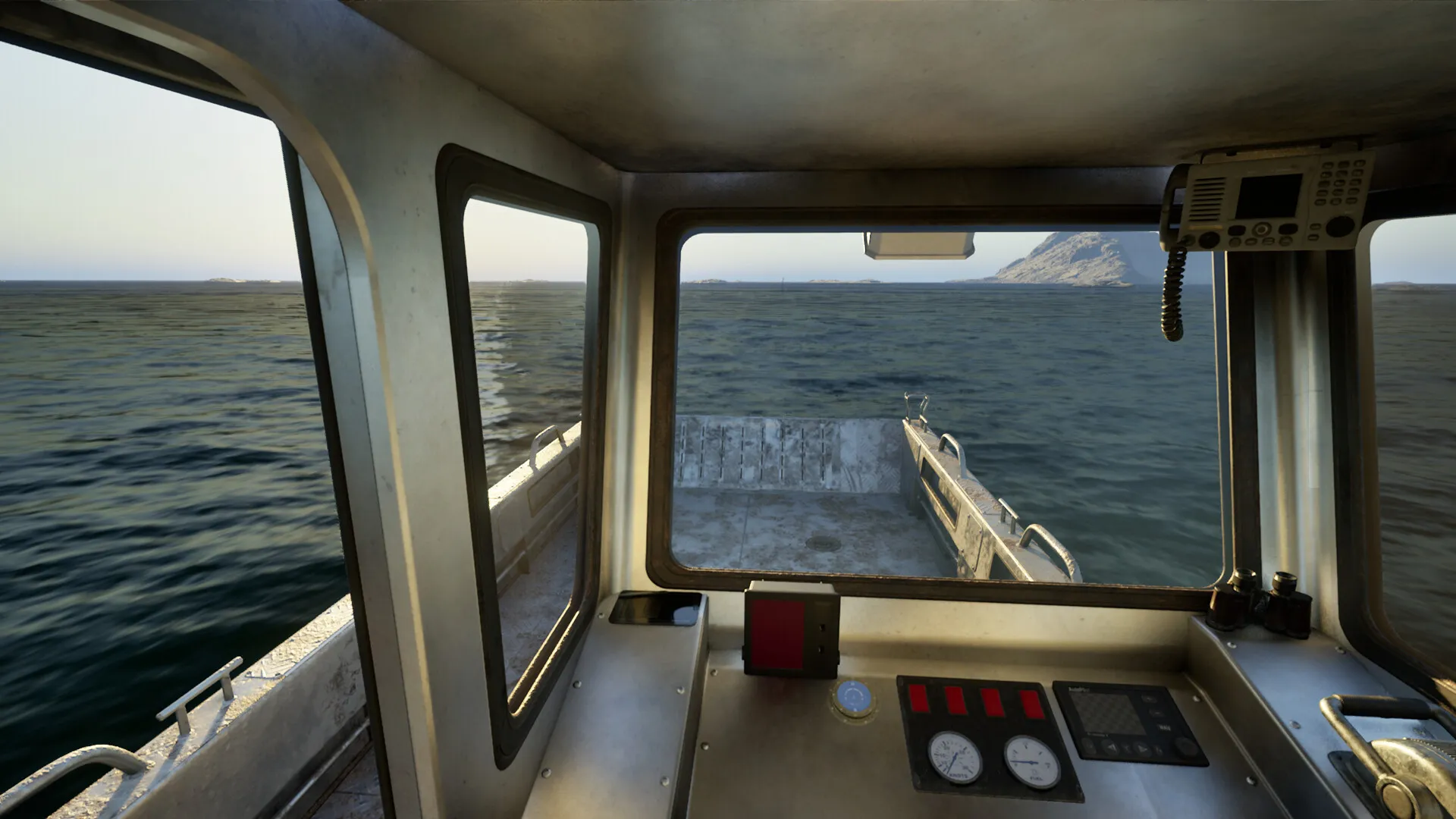
A view from inside a working ship's wheelhouse. Screenshot: Misc Games AS.
Yasemin, when a technical rebuild also requires changes to the team, how do you keep development moving without making sustained overwork the solution?
Yasemin Hamurcu:
One thing we've learned is that technical challenges cannot always be solved by simply working harder or putting in more hours. Sometimes you have to recognize that the way you're developing a game needs to change.
During Ships At Sea's Early Access development, we began to recognize some of the same limitations in the technical architecture and system design that had affected our previous games. But our ambitions for Ships At Sea were much greater. We wanted to create a maritime simulation where multiple players could walk around the same vessel, explore highly detailed interiors, operate complex ship systems, and experience all of this together in multiplayer, while maintaining good performance and stability.
We realized that achieving this required a different technical approach and a reassessment of the expertise needed within our team. This included changes in key positions and bringing in people with the experience to help us build a stronger, more scalable foundation.
These were difficult decisions, particularly given our history working together. However, we also recognized that continuing with the same technical approach risked repeating limitations from our previous games.
At the same time, we had to continue developing and supporting a live Early Access game. Rather than treating longer working hours as the solution, we needed to reassess our priorities, focus on the underlying systems, and accept that some features would take longer than originally planned.
For us, the goal is not simply to get through the next update. We're building a game that we want to expand for many years, and that requires both a solid technical foundation and a development approach that our team can sustain over the long term.
When a roadmap needs to change, what does a studio owe the people who bought the game based on its earlier plans?
I think the most important thing a studio owes its players is honesty, transparency, and respect for the trust they've placed in you. When someone purchases an Early Access game, they're not only buying what is available today. They're often also supporting the vision you've shared for its future, and we take that responsibility seriously.
With Ships At Sea, our roadmap has changed considerably since we entered Early Access, but it's important to distinguish what has actually changed. The vessels and gameplay features we've previously outlined remain part of our long-term vision. What has changed is our development timeline and the order in which we plan to deliver them.
As we progressed through Early Access, we realized that some of the underlying systems needed more extensive work than originally anticipated. We had to reconsider our priorities and invest time in building a stronger technical foundation, even when that meant postponing features players were looking forward to. We understand that these changes can be frustrating, particularly for players who have been looking forward to certain features. We don't take their patience for granted.
At the same time, we don't believe it would be responsible to rush features into the game simply to follow an earlier schedule if the underlying systems aren't ready to support them properly. Our goal is to deliver those features with the quality and stability players expect, rather than introduce additional problems that would need to be addressed later.
For us, that means communicating openly about changes, explaining our priorities, and demonstrating progress through regular updates. We also need to be careful about setting expectations and announcing timelines before we're confident we can meet them.
Revenue, Community Feedback, and Norway's Games Industry
Gøran, you told Gamer.no in May 2025 that record revenue had left the studio roughly breaking even. Which costs are easiest for outsiders to overlook when they judge a game’s success by its sales?
Gøran Myrland:
I think one of the biggest misconceptions in the games industry is that strong sales automatically mean strong profits. People often look at copies sold and multiply that by the retail price, but the reality is quite different.
First, you have platform fees, publisher revenue shares, discounts, refunds, and applicable taxes. Then there are salaries and employment-related costs, which are by far our biggest expense, especially in Norway, along with software licenses, server infrastructure, outsourcing, marketing, and ongoing support.
Another thing people often overlook is that developing a game takes years, with significant investments made long before it generates any revenue. Revenue from existing games also helps keep the studio running and finances the development of future projects. And even after release, the costs don't stop. With Ships At Sea, we're continuously improving the game, adding features, and supporting our community, which requires substantial ongoing investment.
We've been fortunate to have games that continue selling for many years, but maintaining a studio, supporting existing titles, and funding future development is a constant balancing act. At the end of the day, revenue and profit are two very different things.
How do you decide whether player feedback represents a wider problem or a particular preference? Can you give an example of a request you chose not to follow?
We take player feedback seriously, even when it comes from just one person. Sometimes a single player identifies something important that others haven't noticed or reported yet. But we also have to understand whether the feedback points to a wider gameplay problem or reflects an individual preference.
We look at the issue itself, consider how it fits into the overall gameplay experience, and evaluate whether a suggested change fits our vision for Ships At Sea. There's also an important difference between how players imagine a feature will work and how they actually experience it once it's implemented. That's why feedback after an update is released is particularly valuable to us.
A recent example is the fuel station economy planned for our v0.8.8 update. After we shared the feature in our development news, one player felt that checking fuel prices and managing supply sounded like unnecessary busywork and suggested an option to disable it. We understand that perspective, but fuel prices and supply are part of real maritime operations, and we want those economic decisions to play a meaningful role in Ships At Sea. At the same time, the game already includes an automatic global supply system, so players won't have to manage every aspect of fuel station logistics themselves.
Rather than immediately removing or disabling the mechanic based on how it sounds on paper, we've chosen to keep the planned design and evaluate how players actually experience it once the update is released. If something turns out to be unnecessarily complicated or frustrating, we can make adjustments based on that feedback.
For us, listening to players doesn't mean implementing every suggestion exactly as proposed. It means understanding their concerns, evaluating them in the context of the whole game, and finding the right balance between authenticity and enjoyable gameplay.
For a specialist simulation studio, what actually helps you reach new players today? Which marketing efforts have proved worth the time and money?
Simulation games attract a surprisingly diverse audience. Many are often described as job simulators because they allow players to experience professions and activities they might never encounter in real life. Some players have professional experience or specialist knowledge, while others are enthusiasts or simply curious about a particular subject. With Ships At Sea, we want to appeal to all of them and reach beyond our existing commercial fishing community.
By introducing different maritime industries, larger vessels, and cooperative multiplayer, we're creating opportunities for players with different interests to discover and enjoy the game, while maintaining the depth and authenticity that simulation enthusiasts appreciate.
For us, showing actual gameplay and development progress is particularly important. Screenshots, videos, trailers, and development updates help people understand what we're building. Steam has been an important platform for us, both for reaching potential customers and communicating directly with our community.
One of our strengths is our official licensing partnerships with real maritime companies. These collaborations allow us to recreate authentic vessels, propulsion systems, bridge equipment, and other maritime technologies based on real-world references. They contribute directly to the quality and credibility of the simulation, while also giving us opportunities to showcase the companies and technologies behind the maritime industry to a wider audience.
Community engagement also plays a major role, especially during Early Access. Players share their experiences, provide feedback, and introduce the game to others. Maintaining this relationship and demonstrating meaningful progress over time helps us build trust and reach new audiences.
With a limited marketing budget, we have to be selective about where we invest our time and resources. Steam, gameplay-focused videos, and regular development updates have been particularly valuable for showing players what we're building and how the game continues to evolve. Community engagement and content creators also help us reach audiences who might not otherwise discover maritime simulation games. We're always experimenting with new approaches, but our priority is finding ways to build meaningful, long-term interest rather than simply generating short-term visibility.
Ultimately, our goal is to introduce more people to maritime simulation without losing the authenticity and attention to detail that make these games special.
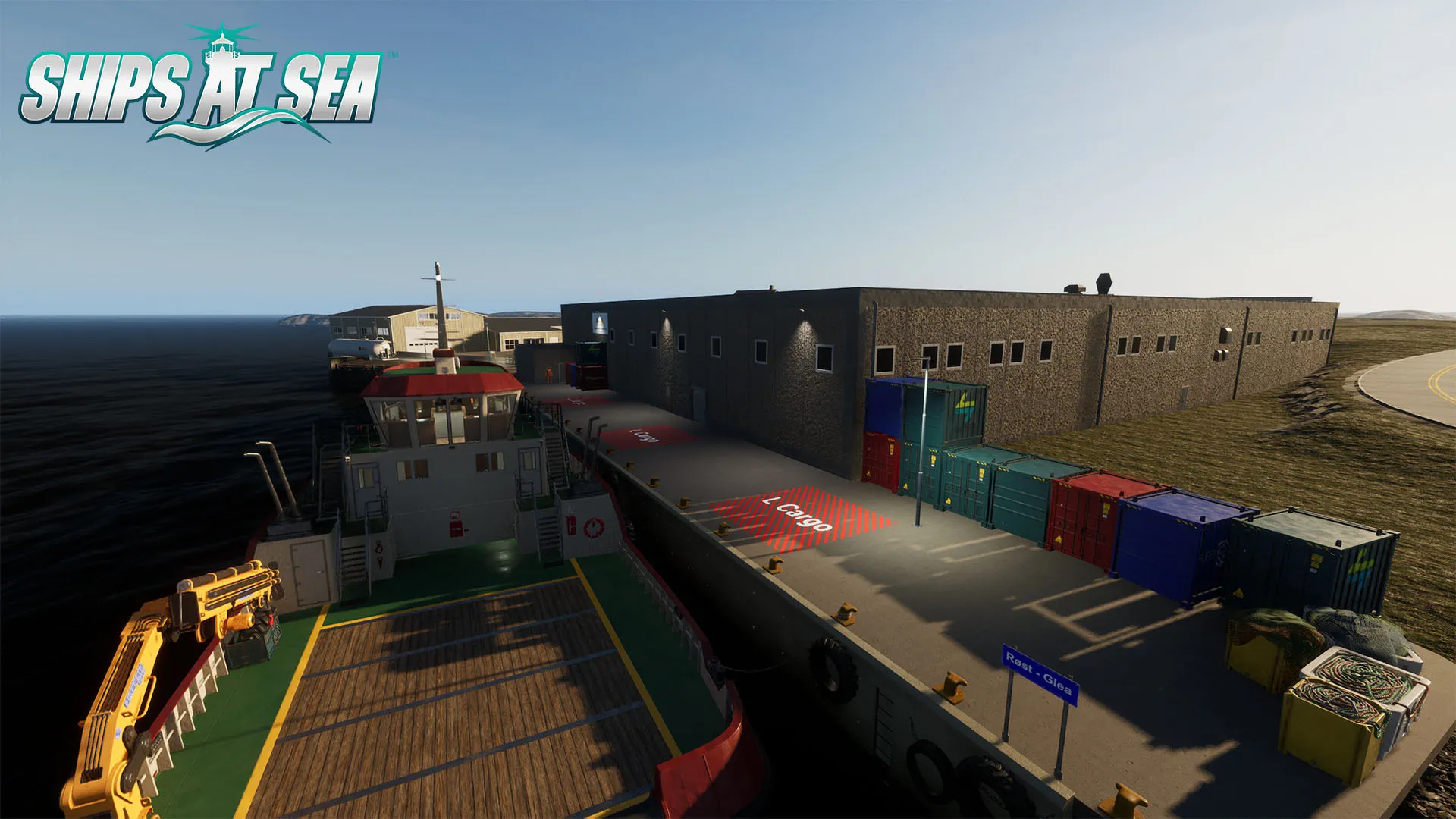
Port operations are one of the maritime careers represented in Ships At Sea. Screenshot: Misc Games AS.
Norway’s funding environment is another long-running issue for developers. Fix Gaming Channel previously covered an 18.6 million NOK funding round for Norwegian games.
What does Norway offer a games studio that is difficult to find elsewhere, and what needs to improve if more Norwegian developers are to build lasting businesses?
Norway has a relatively small games industry, but we do have valuable public funding opportunities that can help developers bring their ideas to life. For us, Norway's strong maritime industry is another major advantage. It has helped us establish relationships that opened doors to international maritime companies and licensing partnerships, which have been particularly valuable for Ships At Sea.
However, we believe there is a difference between funding a game and helping a studio build a sustainable business. Many developers start with a creative idea, but turning that idea into a commercial product also requires business knowledge. You need to understand your development costs, monthly burn rate, staffing requirements, marketing, and how you will finance the project until release.
As studios grow and develop more ambitious games, their financial needs increase significantly. Public funding is helpful, but often not sufficient on its own. We believe Norway could strengthen access to private investment and growth financing, particularly for established studios looking to take the next step.
Countries such as Canada and Poland show how successful game companies can contribute to a broader industry, attracting talent, investment, and supporting businesses. Norway already knows how to build strong international industries through sectors such as oil, gas, and seafood. We believe game development and other digital industries deserve similar long-term attention.
Ultimately, the goal shouldn't just be to help more Norwegian games get made, but also to help more Norwegian studios grow into lasting, financially sustainable businesses.
Ships At Sea
Release: Early Access since May 23, 2024; full release targeted for 2027
Genre: Maritime simulation, adventure, Early Access
Developer / Publisher: Misc Games
Platforms: PC (Steam); PlayStation 5 and Xbox Series X|S planned for full release
Related Reading
Grasshopper Manufacture Leaves NetEase and Returns to Independent Development
Golemancer Among 12 Norwegian Games Backed in NFI Funding Round
Written by Ronny Fiksdahl, Founder & Editor-in-Chief of Fix Gaming Channel.
Send interview pitches, corrections, tips, or developer stories to contact@fixgamingchannel.com.
Support independent games coverage on Ko-fi.