A 1993 DOS puzzle game just found a new home on Playdate
Robbo has returned on Playdate, rebuilt from the original DOS source by one of the programmers who worked on that version more than three decades ago.
Some retro ports are preservation projects. This one is a little more personal.
In 1993, programmer Maciej Miąsik worked with original creator Janusz Pelc on the DOS edition of Robbo. Thirty-three years later, Miąsik has brought that version back on Playdate, the small yellow handheld with the crank.
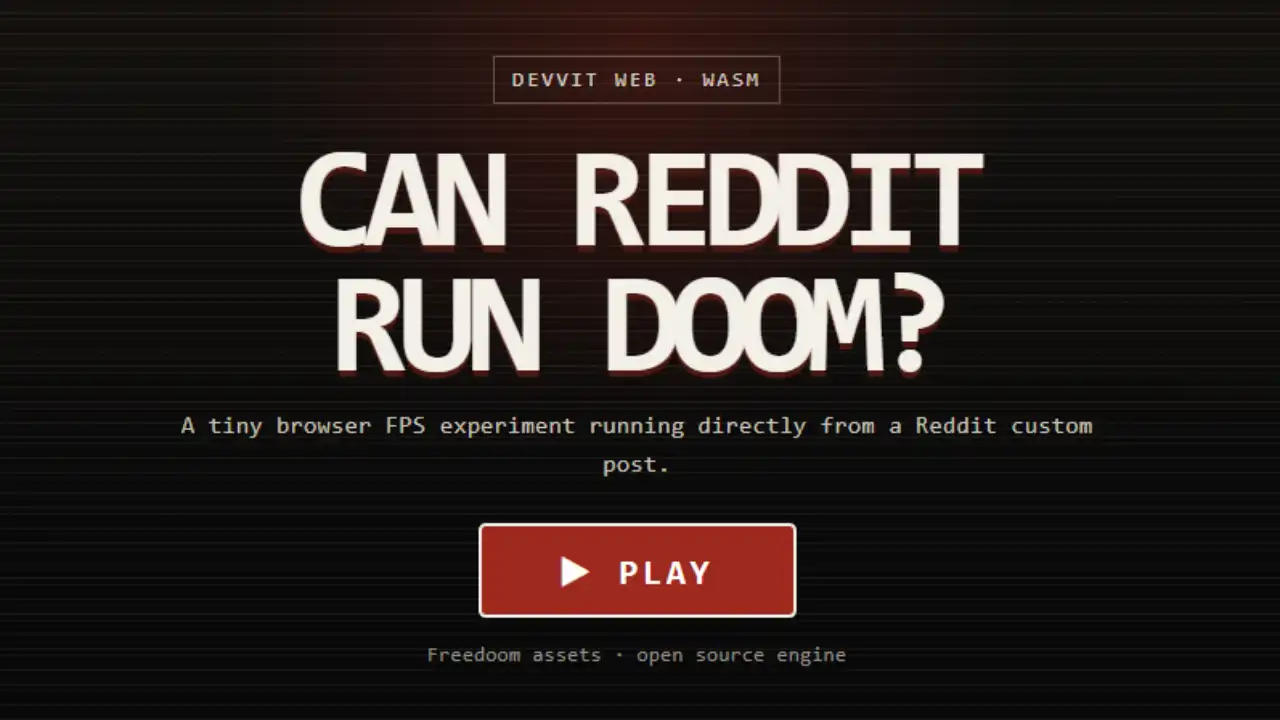
It is the kind of unusual preservation story we like finding, much like PlayDOOM turning a Reddit post into a complete Freedoom campaign, except this time the person bringing the game back helped build the version being preserved.
Want more unusual gaming stories like this?
Get more game features, interviews, indie coverage, retro projects, and gaming news from Fix Gaming Channel.
Join Our Newsletter
Stay updated with the latest interviews, previews, and indie gaming news.
Robbo started on Atari before reaching DOS
Robbo was originally created by Janusz Pelc for Atari 8-bit computers in 1989. Miąsik says the pair later rebuilt the game for DOS at xLand Games in 1993, with Epic MegaGames publishing it internationally as Adventures of Robbo.
The game puts a small robot on a series of grid-based planets filled with boxes, bombs, guards, guns, lasers, teleports, magnets and other hazards. Players have to collect every screw on a planet before reaching the exit.
The new Playdate version is available free through itch.io and contains all 60 planets from the DOS edition.
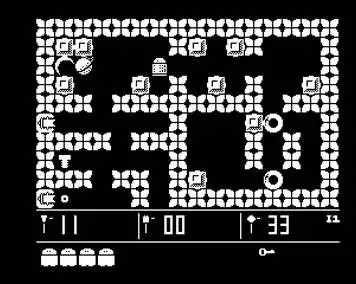
The Playdate version keeps Robbo’s grid-based puzzle design while adapting the visuals to the handheld’s 1-bit screen.
The 1993 logic is still underneath it
This is not presented as a modern remake inspired by the old game. Miąsik rebuilt the Playdate version from the original DOS C source, translating it into Lua while preserving the level data, cellular simulation, sound effects and music.
The game still runs its logic at roughly 7.5 Hz, preserving the deliberate step-by-step rhythm of the DOS version. Only ten rows of a planet are visible at once, just as they were on DOS, which means part of each level remains outside the screen and has to be scouted as you move.
Miąsik describes those limitations as part of how Robbo is supposed to feel rather than problems that needed fixing for a modern device.
And yes, the Playdate crank does something
The main controls use the D-pad and buttons, but the Playdate’s defining crank did not go completely unused.
Turning it performs a developer planet-skip, moving forward one planet for each full rotation. It is described as a debug shortcut rather than part of normal play, which feels appropriately strange for a port of a 1993 DOS puzzle game running on a handheld with a crank.

Thirty-three years after the DOS version, Robbo has a new home on Playdate.
The port was also built with AI assistance
There is another unusual part of the project. The itch.io page openly credits Claude Code with development under Miąsik’s supervision.
Asked about that process on Reddit, Miąsik said he provided the original project and a Playdate project stub, then worked conversationally with Claude on the port. According to him, the AI did most of the conversion but needed guidance around artwork and more difficult sections of code, while Miąsik manually adjusted graphics for the 1-bit screen and carried out testing.
He said the overall port took a few days.
That makes this more interesting than an automated conversion. The original programmer was still there deciding what needed to remain faithful, correcting shortcuts and checking whether the new version still behaved like the game he helped build in 1993.
Thirty-three years is a long way back to the same source code
Retro preservation often means somebody new studying somebody else’s work. Robbo gives us something different: one of the people who worked on the DOS edition returning to its source code decades later and putting it on hardware that did not exist when the game was made.
That same preservation spirit is part of why events such as Pixel Arcadia are interesting. Old games, restored projects and new hardware can still produce stories that feel completely new.
A programmer opens code he worked on in 1993, looks at a yellow handheld with a crank, and decides Robbo should live there too.
Related Reading
PlayDOOM Turns a Reddit Post Into a Complete Freedoom Campaign
Pixel Arcadia Announced as New Retro Gaming Showcase for August 2026
Written by Ronny Fiksdahl, Founder & Editor-in-Chief of Fix Gaming Channel.
Send interview pitches, corrections, tips, or developer stories to contact@fixgamingchannel.com.
Support independent games coverage on Ko-fi.