When Familiar Places Start to Feel Wrong
FuRyu producer Gai Kidokoro discusses unsettling Showa-era influences, survival gameplay, player feedback, and the decisions shaping ANOMALITH.
Sometimes, the most unsettling things are the ones we recognize: an old television commercial, a familiar hallway, or a place that looks ordinary until something feels slightly wrong.
ANOMALITH, the upcoming survival third-person shooter from FuRyu, follows Reona Minazuki as she enters dangerous Anomaly Zones while searching for her missing friend. Its retro-Japanese atmosphere is built around unease, not just sudden scares. The game is scheduled for October 29, 2026 in Japan.
For our ongoing developer interview coverage, Fix Gaming Channel spoke with producer Gai Kidokoro about why the team chose a shooter, how ordinary surroundings become disturbing, and what the developers learned from players testing the game.
ANOMALITH – Official System Trailer
Watch the official ANOMALITH System Trailer on YouTube
More Interviews and Indie Game Stories
Get our latest developer conversations, gaming news, and independent coverage delivered to your inbox.
Join Our Newsletter
Stay updated with the latest interviews, previews, and indie gaming news.
Why FuRyu Chose a Survival Shooter
ANOMALITH is quite different from many of the RPGs people associate with FuRyu. What made this the right project for the company to step into a survival third-person shooter?
There wasn’t any particular moment, artwork, or mockup that led us to make that decision. If we had to point to a reason, it was more of an intuitive judgment based on the team’s passion for survival TPS games and our feeling that a project created by people who genuinely love and understand shooting games would be in good hands.
You’ve described ANOMALITH as aiming for a sense of unease rather than straightforward fear. What is harder to design: something that scares the player immediately, or something that simply feels wrong and stays in their head afterward?
By far, I think the latter is more difficult. In order for players to feel that something is out of place, they first need to have an understanding of what feels normal or correct.
That’s why we can’t simply design spaces that are overly sci-fi or fill them with fantastical props. There’s no definitive answer to how far you should deviate from familiar things that everyone recognizes, but we hope players will experience the unique sense of unease and discomfort that ANOMALITH has to offer.
How Showa-Era Television Shaped the Unease
The idea of a Japan where the Showa era never really ended gives ANOMALITH a very distinctive identity. Where did that concept begin, and why was that period the right backdrop for the Anomaly Zones?
I wasn’t born during the Showa era, but when I look back at old Japanese commercials, there are some that feel a little unsettling.
I think that feeling comes from a combination of different elements, such as the poor audio quality coming from CRT televisions and the tone of the narration. Things that were once completely ordinary and felt perfectly natural at the time can, with the passage of time, take on a sense of fear and unease.
That’s why we use ‘Showa retro’ as a visual and thematic motif for something that can evoke those feelings.
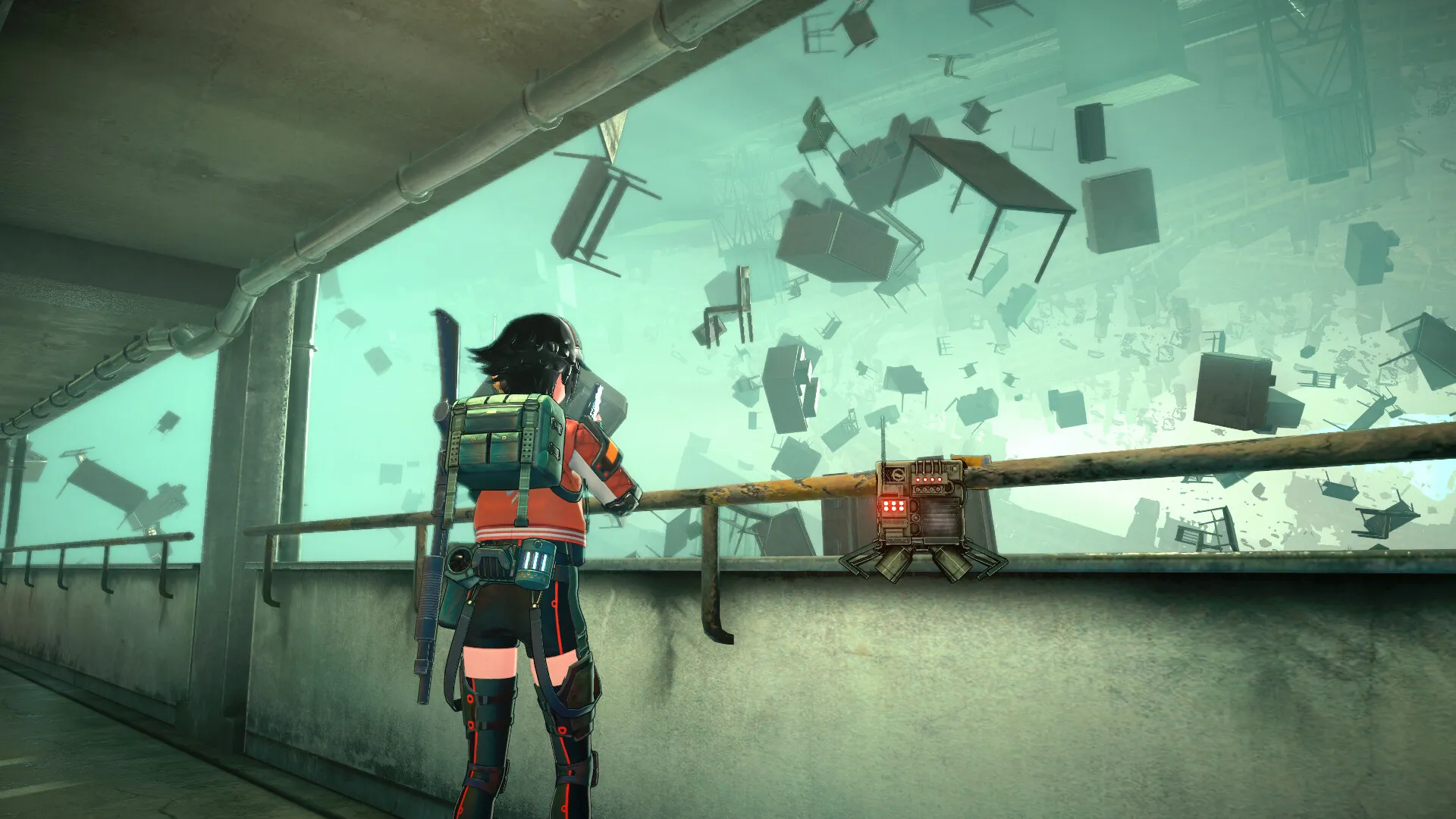
Familiar surroundings are distorted inside an Anomaly Zone. Image: FuRyu.
ANOMALITH combines limited resources, exploration and returning from an Anomaly Zone with more action-focused systems such as the Anomalization Skills. How difficult was it to balance vulnerability and survival tension against making Reona feel powerful and enjoyable to control?
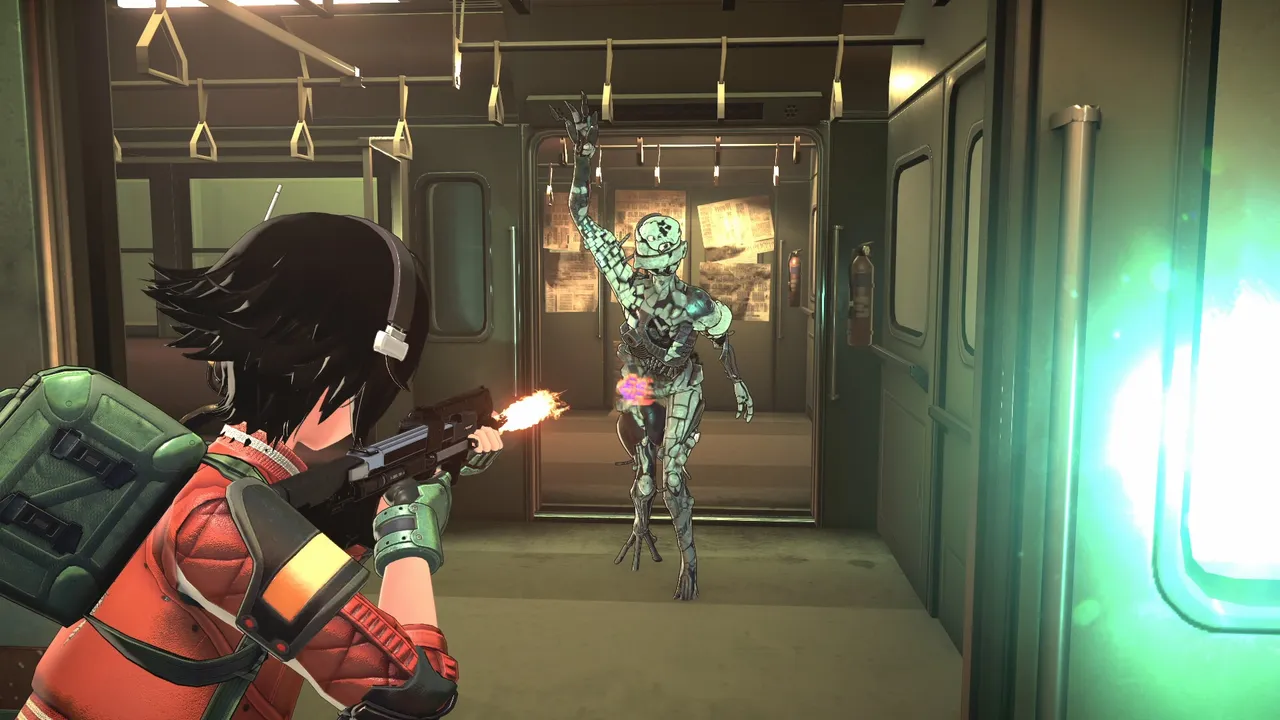
Thanks to a system proposed by one of the planners on the development team, which requires players to hit enemies in order to use their Anomalization Skills, I don’t think implementing and balancing this system was particularly difficult compared to adjusting the overall difficulty of the game.
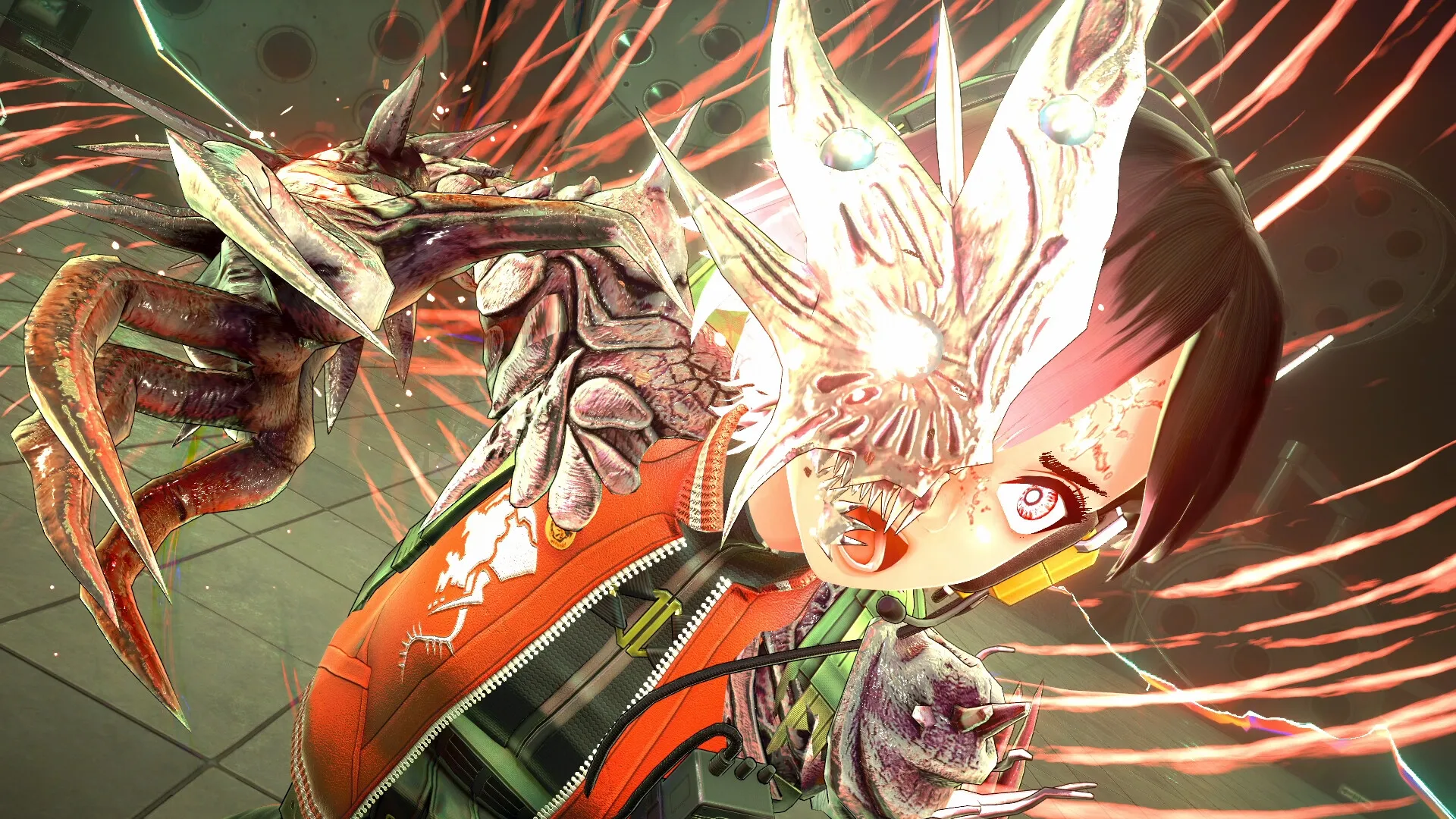
Reona unleashes an Anomalization Skill during combat. Image: FuRyu.
Player Feedback and the Creative Team
You have been actively collecting player feedback through demos and testing ahead of release. What piece of feedback surprised the development team the most, and has anything changed significantly because players reacted differently from what you expected?
It wasn’t one specific piece of feedback, but the testing helped us realize that some features that felt completely intuitive to the development team were actually quite difficult for players to understand.
The biggest change we made was optimizing the keyboard-and-mouse controls. Initially, there were quite a few things that couldn’t be operated using the mouse cursor. After receiving a lot of feedback about this, the development team came to recognize that improving these controls was something we absolutely needed to address.
The project brings together Romeo Tanaka, MON and Yuka Kitamura, each with a very recognizable creative voice. From a producer’s perspective, how do you bring creators like that together while still making ANOMALITH feel like one cohesive world rather than several different styles competing with each other?
Since we believed from the outset that they would be able to work together without their styles clashing, I don’t think there was much in the way of deliberate coordination needed.
ANOMALITH has now been shown to players in different regions, including gamescom, PAX West and Tokyo Game Show. Have you noticed any interesting differences in what Japanese and international players respond to most strongly?
Actually, there weren’t any major differences. The parts that players enjoyed and the areas they gave us feedback on were generally the same.
If anything, that may have been the biggest surprise for us.
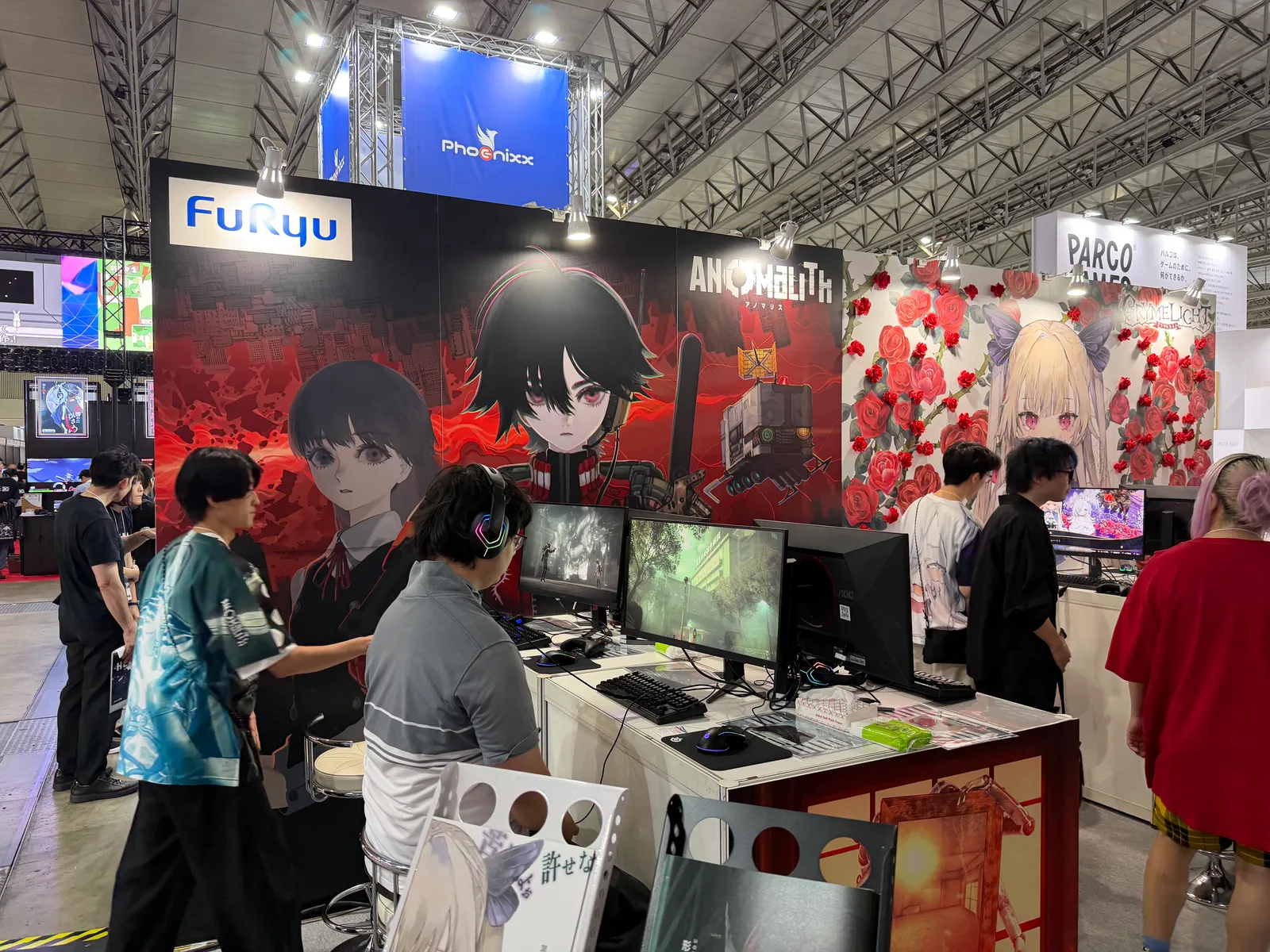
ANOMALITH on display at the FuRyu booth during Tokyo Game Show 2026.
Investigations, Storytelling, and the Finished Game
Players can learn more about the Anomalies through investigation reports rather than having everything explained directly through the main story. How important was it to leave room for players to investigate and form their own ideas about what they are seeing?
First, I’d like to make a small clarification: through the main story, with Reona Minazuki as the protagonist, players should be able to gain a general understanding of ANOMALITH as a whole.
However, when it comes to the details of the world and information about the other characters, we designed the game so that players can make additional discoveries by reading the sub-scenarios and investigation reports.
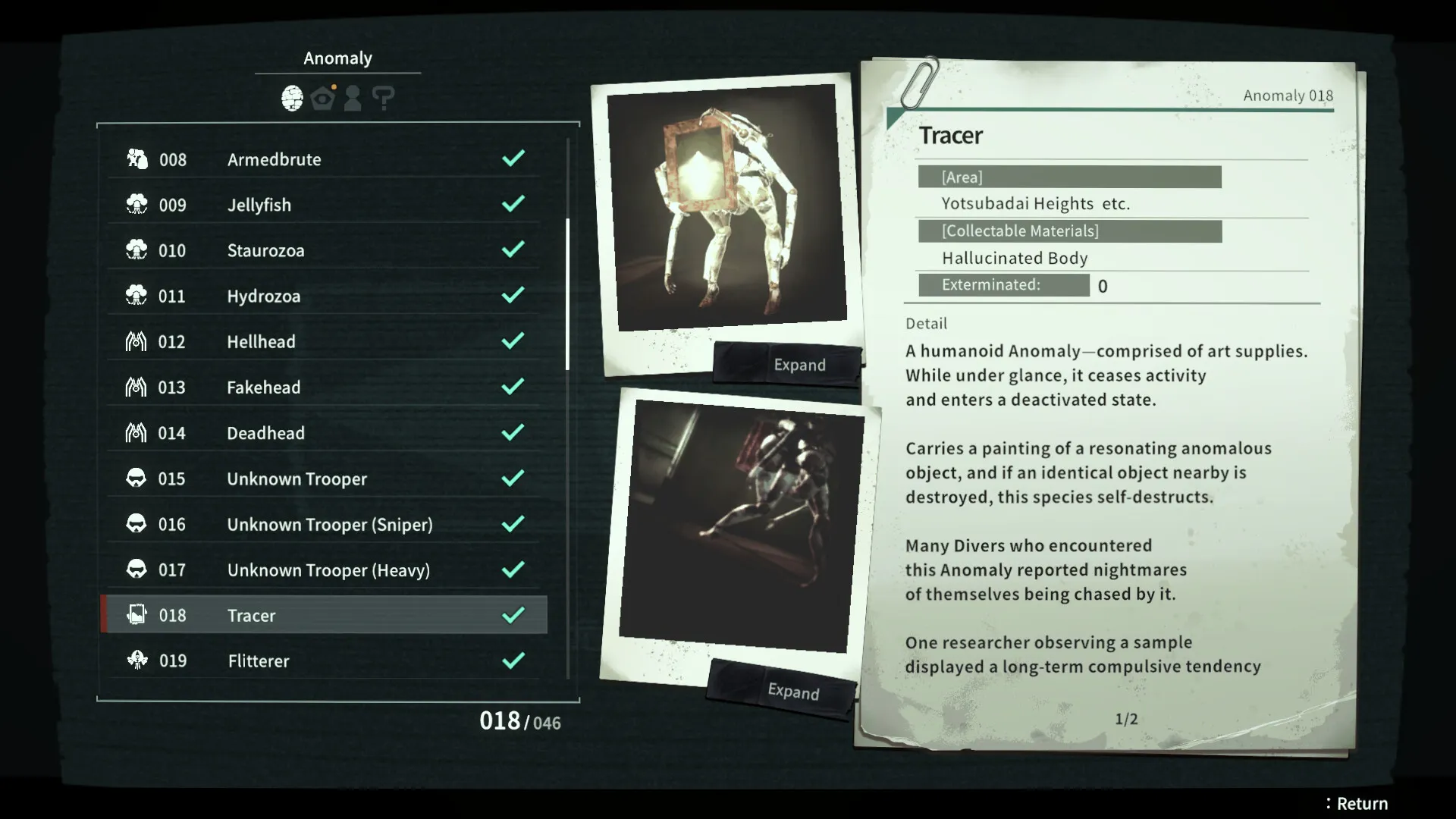
Investigation reports reveal more about the Anomalies. Image: FuRyu.
With ANOMALITH launching on October 29 in Japan, what is the one aspect of the finished game that you personally most want players to notice or understand once they get beyond the trailers and demos?
ANOMALITH is a game that combines strong character-driven elements with the fun of third-person shooter gameplay.
Throughout development, we’ve been careful not to let either side outweigh the other too much. So, we hope players will be able to enjoy both aspects of the game.
Read more interviews about the people shaping how games feel, including our conversation with voice actor Brian Watts on performing fear.
ANOMALITH
Release: October 29, 2026 (JST; regional stores may show October 28)
Genre: Anomaly Exploration Action Adventure / Survival Third-Person Shooter
Developer / Publisher: FuRyu Corporation (Steam storefront credit)
Platforms: PC (Steam) | PlayStation 5 | Nintendo Switch 2
Related Reading
Interview with Airem: Crafting Unique Game Experiences
BODYCAM Voice Actor Brian Watts on Realistic Screams, Ready or Not and AI
Written by Ronny Fiksdahl, Founder & Editor-in-Chief of Fix Gaming Channel.
Send interview pitches, corrections, tips, or developer stories to contact@fixgamingchannel.com.
Support independent games coverage on Ko-fi.