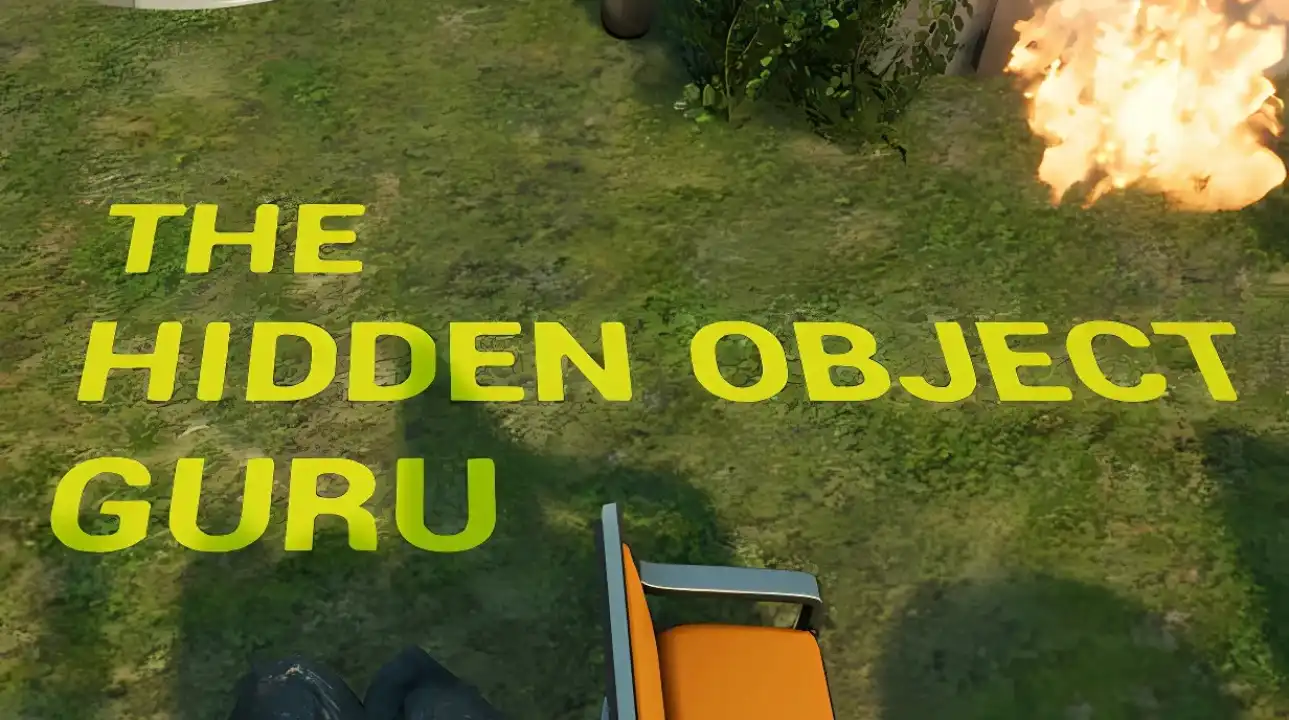
Hidden Object Guru on odd experiences, lost builds, Crash Math, and the value of creative limits
In this Fix Gaming Channel interview, we speak with Hidden Object Guru about building games from vivid creative sparks, losing a finished version of Clown in the Woods, learning from collaboration, and mixing genres to keep players off-balance in the best way.
The conversation also touches on Crash Math, Dracula Defense, creative constraints, screenwriting discipline, and why strange ideas can sometimes lead to the most memorable indie games.
Q: In your games, how do you blend your own experiences or ideas into the gameplay and story?
A: “Nearly every game I’ve developed starts with me picturing a single thing I want the player to be able to experience, and I work out from there. I’ve played thousands of video games, which has turned my mind into a strange jumble of moments from all of those different titles, which twist and rearrange themselves into things I’d like to see in a game.”
Q: How would you describe your games’ identity—and what feeling do you want to leave players with?
A: “My games are neither innovative nor relevant. I am passionate about delivering odd experiences that leave players wondering exactly what just happened.”
Q: Have you had any ‘glitch in the matrix’ moments during development that turned into valuable lessons?
A: “For the record, no, I have never seen a cat walk by a door twice while developing a game. I did, however, lose an entire finished version of Clown in the Woods and then have to start building it all over again, which forced me to look hard at every bit of the game’s design, leading to a bunch of streamlining.”
Q: What did that experience teach you about working solo versus collaborating?
A: “The most important part was learning that I shouldn’t try to do things all on my own. Solo development can be satisfying, but working with partners has led to much better results, as they invariably have ways of looking at problems that I never would have thought of.”
Q: What’s your big creative goal when you design a game?
A: “It’s far too ambitious, I’ll admit, but my goal invariably is to surprise players with an experience they haven’t had before. Sometimes that’s just including way more story than a game really requires, but sometimes, as with Crash Math, it’s combining genres in a way that has little precedent.”
Q: How has your screenwriting background influenced your development process?
A: “My screenwriting career has taught me how to absolutely commit to a project and see it through to the end – which has been a vitally important work ethic to bring to game design.”
Q: What’s your best advice on scope and constraints for other indie devs?
A: “Start by determining what you’ll be able to accomplish, and then figure out the story you want to tell within those boundaries – restrictions can lead to some of the best creative inspiration.”
Q: What’s next for you—and where can players follow your journey?
A: “Next up is Crash Math, which I made with Archor Wright, after that, I’m working on the script for my next visual novel, which should be a blast! You can follow me at the Hidden Object Guru YouTube Channel, any announcements about projects will be made there!”
Video Feature
Join Our Newsletter
Stay updated with the latest interviews, previews, and indie gaming news from Fix Gaming Channel.
Featured Games
Several games came up naturally during the interview, including Crash Math, Dracula Defense, and Clown in the Woods. Here are the main links for readers who want to check them out.
Crash Math
Platforms: PC — Steam
Dracula Defense
Platforms: PC — Steam
Clown in the Woods
Platforms: Browser / HTML5 — itch.io
Crash Math Gameplay
Related Reading
For more on horror craft and creative development, read From Shadows to Sound — Vidas Salavejus’s creations in horror gaming.
Written by Ronny Fiksdahl, Founder & Editor of Fix Gaming Channel.
Have a tip, pitch, or game worth covering? Contact contact@fixgamingchannel.com.