Steam’s numbers tell a different story in 2026
Ultrawide gaming is still a minority on PC. But calling it a 1% niche no longer fits the data.
Whenever a PC game launches without proper 21:9 or 32:9 support, one argument usually appears: ultrawide users represent such a tiny percentage of players that developers cannot be expected to support them.
In 2026, that argument is getting harder to defend.
Valve‘s August 2026 Steam Hardware & Software Survey lists 2560×1080 at 0.67%, 3440×1440 at 3.12%, and 5120×1440 at 0.39% among Windows primary-display resolutions.
Combined, those three clearly identified ultrawide and super ultrawide resolutions account for 4.18%.
For comparison, native 3840×2160, or 4K, sits at 5.02%.
That puts those ultrawide resolutions at roughly 83% of Steam’s 4K primary-display share.
Ultrawide is not mainstream. But 4.18% is very different from 1%.
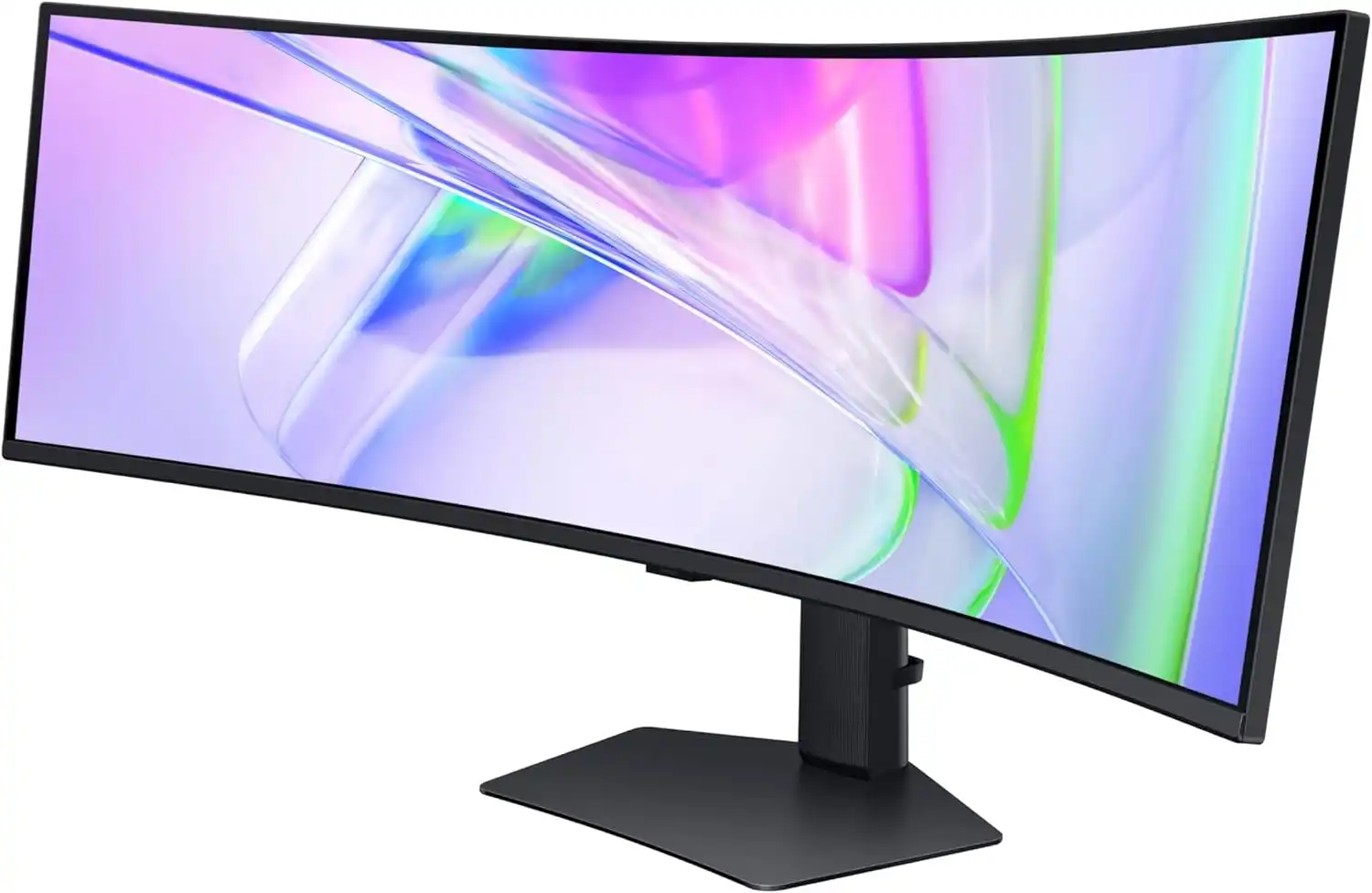
3440×1440 has grown sharply
The most common ultrawide resolution tells the story even more clearly.
A preserved February 2022 Steam survey listed 3440×1440 at 1.23%. By August 2026, it had reached 3.12%.
That is an increase of roughly 154% in four and a half years.
The older 2560×1080 format has declined over the same period, while 5120×1440 remains much smaller at 0.39%. The strongest growth is clearly around 3440×1440.
Gaming-monitor research also shows that manufacturers have been paying attention to wider displays for years. In 2022, TrendForce forecast that ultrawide resolutions including 2560×1080, 3440×1440 and 5120×1440 could account for 13.4% of gaming-monitor shipments that year.
That was a forecast rather than a final sales figure, but it shows that ultrawide was already significant enough to be tracked separately by display-market researchers.
Supporting ultrawide is not the same as supporting 4K
The 4K comparison does need some context.
Rendering a game at a higher 16:9 resolution is not technically identical to supporting a wider aspect ratio. Ultrawide can expose problems with field of view, camera framing, HUD positioning, menus and cutscenes.
At 32:9, those problems can become even more obvious.
Smaller developers also have limited QA hardware and development time, so not every game will receive perfect 32:9 support.
But that is different from saying almost nobody uses these displays.

So how many gamers use ultrawide?
There is no reliable way to convert Steam’s 4.18% into an exact worldwide number of ultrawide gamers.
The Steam Hardware & Software Survey is optional and anonymous, and Valve does not publish a participant count alongside each resolution percentage.
Less-common resolutions can also be grouped under “Other,” so 4.18% should be treated as the combined share of these three clearly identified resolutions among surveyed Windows primary displays.
What we can say is much simpler: ultrawide gaming is still a niche, but the old 1% argument is outdated.
Three major ultrawide resolutions now combine for 4.18% on Steam, compared with 5.02% for native 4K, while 3440×1440 alone has more than doubled its share since 2022.
For PC developers planning support in 2026 and beyond, that audience is becoming increasingly difficult to ignore.
Sources
Valve Steam Hardware & Software Survey, August 2026
TrendForce gaming monitor research
Related Reading
Your Monitor Isn’t the Problem: Why New PC Games Still Fail Ultrawide Players
Ultrawide Gaming Is Niche, But Missing Support Is Still Worth Discussing
Fix Gaming Channel’s Top 10 Super Ultrawide Series
Written by Ronny Fiksdahl, Founder & Editor-in-Chief of Fix Gaming Channel.
Send PC gaming tips, corrections, hardware suggestions, or developer stories to contact@fixgamingchannel.com.
Support independent gaming coverage on Ko-fi.