


Preparing for new audiences, partners, and the work after the show
What should a small studio have ready before spending its time and budget on an overseas games event?
Stefan Heikhaus, Director of gamescom & Events at game – the German Games Industry Association, discusses how German developers can approach Southeast Asia. The association is a co-organizer and trademark holder of gamescom. His answers cover the differences between markets, the support available through the German Pavilion, and the preparation needed to turn meetings into lasting relationships.
We sent these questions ahead of gamescom asia x Thailand Game Show 2026 in Bangkok. Heikhaus explains how German studios can prepare for the region’s distinct markets and what smaller teams should consider before investing in an overseas event.
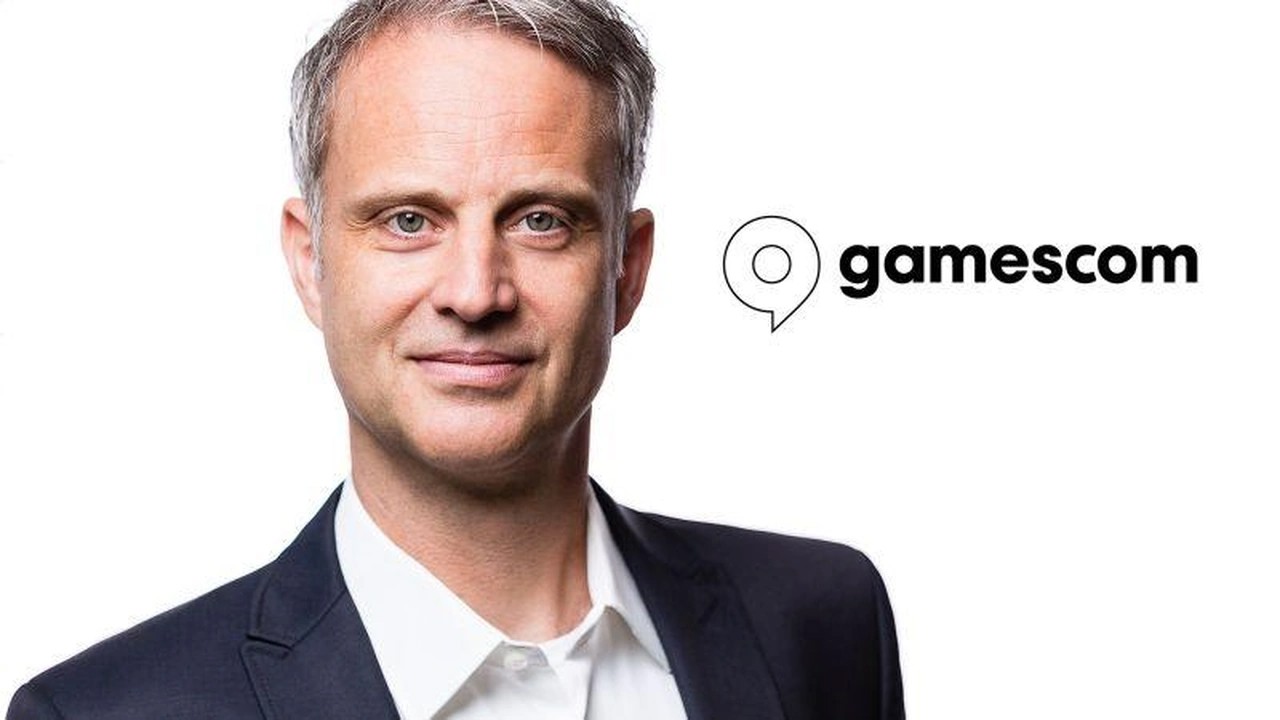
Featured image: Stefan Heikhaus. Portrait supplied for this interview.
More conversations with the people behind games
Get developer interviews, industry reporting, and independent games coverage from Fix Gaming Channel.
Join Our Newsletter
Stay updated with the latest interviews, previews, and indie gaming news.
What is drawing German developers and publishers to Southeast Asia, and what opportunities do they see here beyond their established markets?
Southeast Asia is one of the most dynamic games regions in the world, with a young, digitally native audience, fast-growing player numbers and an increasingly professional developer scene of its own. For German companies, that means two things. First, a large and still under-served audience, especially for studios whose games have so far focused on Europe and North America. Second, partners: co-development, porting, localisation, publishing and investment relationships are increasingly being formed here. With gamescom asia now in Bangkok, there is a fixed place where these connections can be made every year, and German companies want to be part of that.
For players discovering Germany’s development scene for the first time, what would you like them to know about its smaller studios and the variety of games being made there?
Germany is much more than a few well-known names. Most of our roughly 950 games companies are small and medium-sized studios, and they produce an enormous range of games: strategy and simulation, which Germany is traditionally known for, but also narrative indie games, cosy games, experimental art games, serious games and mobile titles. Many of these studios work with very personal ideas and a strong focus on craft. If you enjoy discovering games that don’t follow the usual formula, Germany is a great place to look.
What should German studios understand about Southeast Asian players before bringing their games to the region? Are there common assumptions about these audiences that deserve a rethink?
The most important point is that Southeast Asia is not a single market. Thailand, Indonesia, Vietnam, the Philippines and Malaysia differ in language, platforms, payment habits and genre preferences. Anyone who treats the region as one block will miss the opportunities in each country. A second assumption worth rethinking is that the region is only about mobile and free-to-play. Mobile is hugely important, but PC gaming has a strong tradition and premium games are finding their audience too, especially with fair regional pricing. And finally: localisation, local payment options and community work on the platforms people actually use there are not extras. They decide whether a game is visible at all.
For a small independent team, what practical difference does exhibiting through the German Pavilion make compared with attending alone? What support is available, and what does the developer still need to handle themselves?
For a small team, the biggest difference is visibility and effort. Instead of a lone booth somewhere in the hall, studios become part of a recognisable joint presence that attracts publishers, investors and media. Thanks to support from the German government, participation is also considerably cheaper than exhibiting alone. The booth, the infrastructure and much of the organisation on site are taken care of, and the pavilion is a natural meeting point for networking among German studios themselves. What the pavilion cannot do is the actual business work. Studios need a clear goal, a playable build, well-prepared meetings arranged in advance, and above all the follow-up after the event.
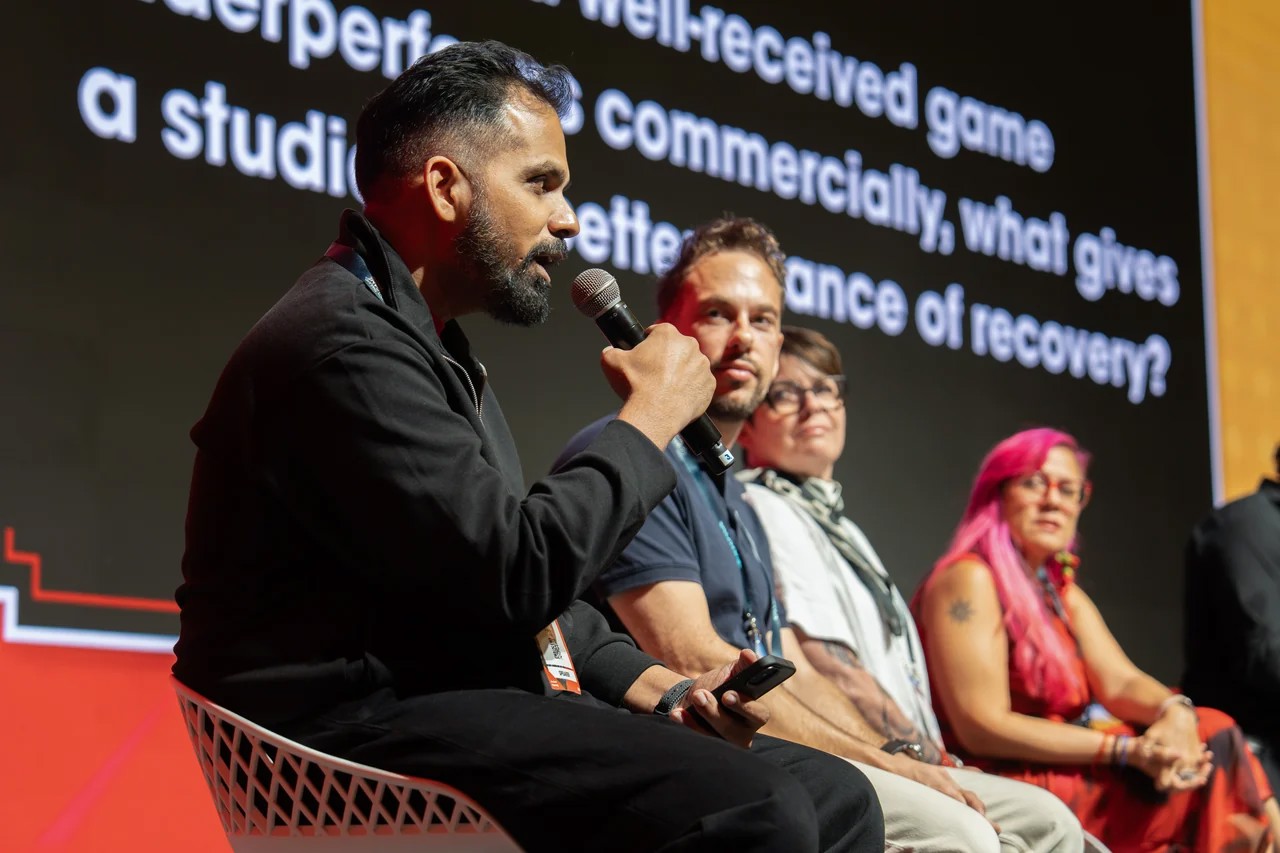
A panel discussion during the event’s business program. Photo courtesy of gamescom asia x Thailand Game Show.
Attending an overseas event takes time and money that smaller teams cannot always spare. What should a German indie studio have in place to make that investment worthwhile—and when might it be better to wait?
A trip like this pays off when a studio knows exactly why it is going. That means a specific goal (a publisher, a porting partner, investors, a regional launch), a playable and stable build, a short and convincing pitch, and meetings that are arranged before the trip, not on site. Budget and capacity for follow-up matter just as much as the trip itself. It can be better to wait if the game is still at a very early stage, if there is no plan for the region, or if the team simply cannot handle the follow-up afterwards. In that case, it’s often worth getting to know the market first through online formats or a delegation trip and exhibiting a year later.
Looking beyond this year’s event in Bangkok, what would a stronger relationship between Germany’s games industry and Southeast Asia look like in practice, and what role can your association play in building it?
A stronger relationship would mean that exchange takes place the whole year: regular co-productions, joint publishing and porting projects, investments in both directions, and talent exchange between studios and universities. gamescom is a natural bridge for this, with gamescom asia & Thailand Game Show in Bangkok and gamescom in Cologne, where Thailand was already partner country in 2025. As an association, we can help build lasting structures: through the German Pavilion and delegation trips, through dialogue with associations and government institutions in the region, and by bringing partners from Southeast Asia to Cologne.
Related Reading
Jin Oh on Indie Games, Marketing and Knowing Your Audience
Gamescom Asia 2026 Day 4: Closing Figures and Indie Awards
How gamescom Grew Into the World’s Biggest Gaming Event
Written by Ronny Fiksdahl, Founder & Editor-in-Chief of Fix Gaming Channel.
Send interview pitches, corrections, tips, or developer stories to contact@fixgamingchannel.com.
Support independent games coverage on Ko-fi.