


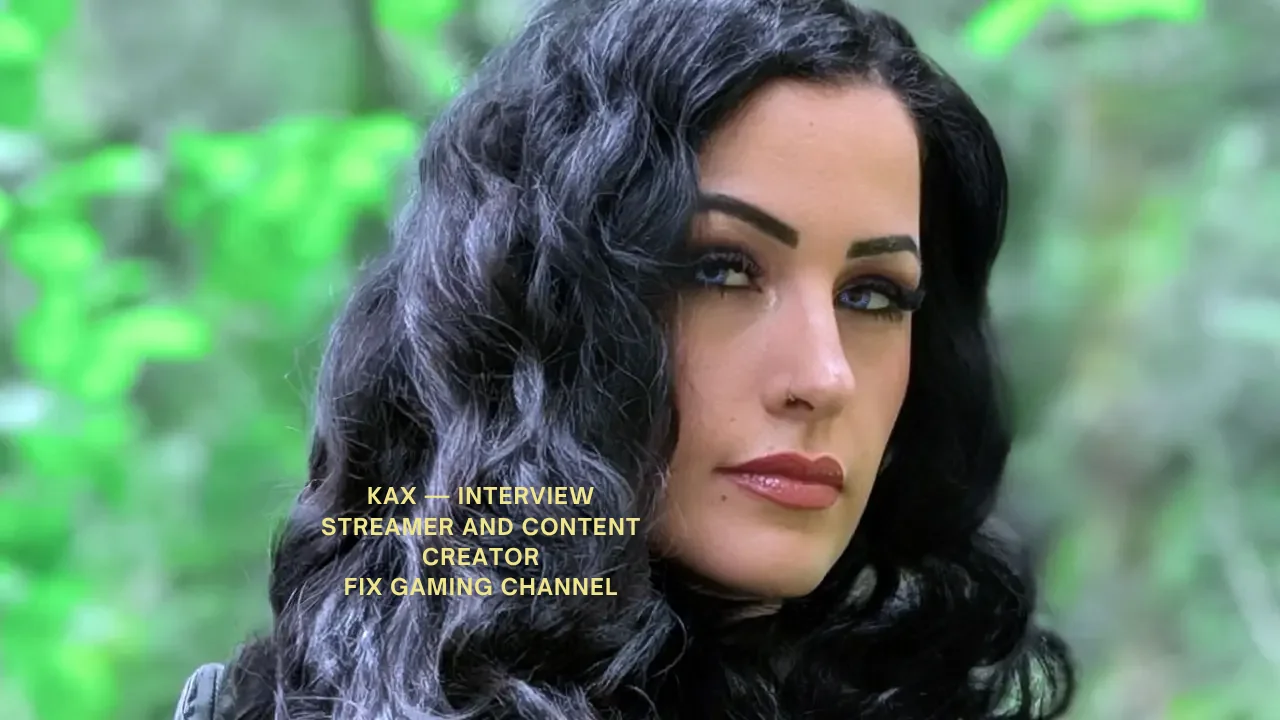
The artist behind the vampire shares her creative world
Kax is a streamer and content creator whose world brings together video games, Warhammer miniature painting, cosplay, illustration, and tabletop role-playing. In this interview, she talks about her vampire persona, building stories with other players, and the creative work that happens both on and off stream.
For another artist’s perspective on creative practice, see our interview with Matt Essom.
More conversations about art and games
Read more interviews with the artists, developers, and creators behind the games and communities you enjoy.
Join Our Newsletter
Stay updated with the latest interviews, previews, and indie gaming news.
Where did Kax come from, and how much of that persona is a character versus simply you?
Haha! Kax is just the contraction of my actual family name! I have been a huge fan of vampires since I was a kid (Alucard from Castlevania and Vincent Valentine from Final Fantasy 7 are my childhood heroes), hence I decided to become a real-life one myself. But I have to admit that I had to do dental surgery to get my real sharp fangs. I’ve also always been drawn towards dark fantasy, vampires, gothic universes, and characters that were unusual and/or eccentric. The vampire persona also gives me a fun way to express this side of me!
I love creating stories, crafting things with my hands, playing games, and sharing those experiences with others. The vampire theme simply ties everything together into a world of its own. And, of course, my community is made up of my beloved ghouls!
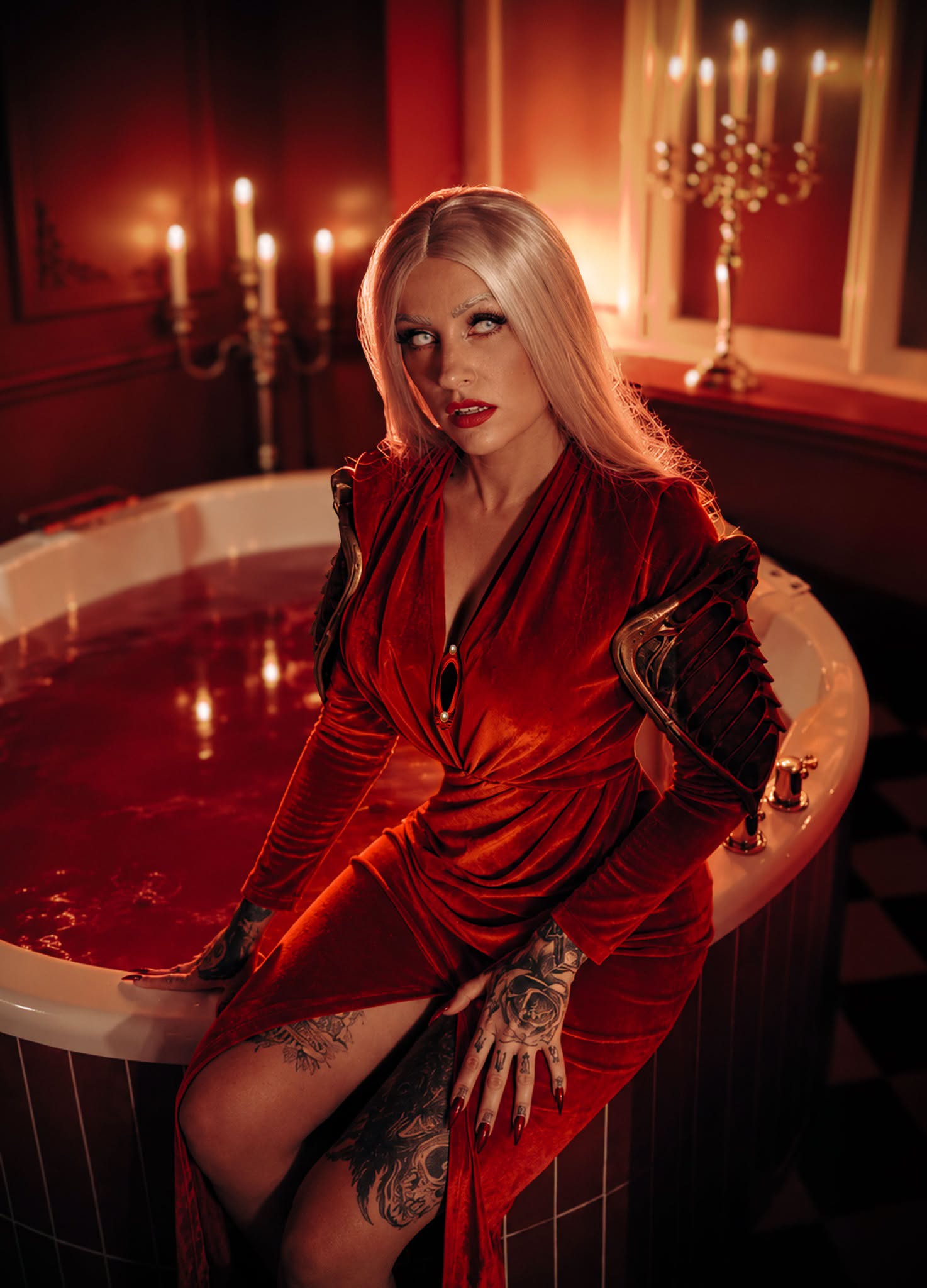
Kax’s vampire persona is part of the creative world she shares with her community. Image supplied by Kax.
What has stayed with you from Breath of Fire III, and can you see its influence in the worlds or characters you create today?
Breath of Fire III is one of those games that stayed with me long after I put down the controller. What I remember the most is its atmosphere, its characters, and the feeling of growing alongside them as the adventure unfolds.
I have a particular affection for worlds that feel alive, where characters have their own past and story and where the journey matters just as much as the destination. That’s something I try to bring into my own creative work, especially in my tabletop roleplaying game scenarios.
What did discovering tabletop role-playing unlock for you creatively?
I discovered tabletop role-playing in late 2022, and it opened up an entirely new creative playground for me. Before that, I already enjoyed storytelling, drawing, and inventing characters. But role-playing tied all these things together in a completely different way.
As a game master, it allows me to create universes, write stories and develop characters, then offer them to my players and watch how they interact with them. The wonderful thing is that I’m not the only one writing the story anymore! It also gave me the confidence to develop my own adventures and eventually to build a much larger universe from scratch. It made me realise just how eager I was to create.
Can you tell us about a moment when a player took La Lance Brisée somewhere you never expected?
Honestly, the one thing I’ve learned as a game master is that players are ALWAYS unpredictable. I can’t really think of one specific moment as 90% of the episodes were just improvisation.
That’s part of what makes La Lance Brisée so special. It’s a humorous D&D actual play series, and the players brought a lot of their own personalities to their characters. The story is constantly reshaped by their choices, their jokes, and the unexpected ways they decide to solve issues.
With this AP, I’ve learned it was OK not to control every detail. My job is to create a world that reacts to the players, not a script they have to follow. To be honest, sometimes the best story is the one that escapes you.
What drew you into Warhammer, and did the painting, the stories, or the game come first?
Warhammer brings together so many things I love: dark fantasy, highly political lore, horrible characters, and then provides me with so many ways to make it my own. Be it through miniature painting, cosplaying, and, why not, writing some short stories in the future. The universe is so rich; the possibilities seem almost endless.
When I decided to have a taste of this hobby, I had to just digest as much as I could of the lore and started to assemble and paint my first miniatures, and soon enough I had my first army basically ready for battle. And I decided to play Emperor’s Children, because their lore based on excess in every aspect gave me the best opportunity to experiment with color palettes and painting techniques. Not long after, I was cosplaying Fulgrim, their primarch. As I said, endless possibilities to build your own unique experience with it.
Painting miniatures is particularly satisfying because it provides a tangible way to interact with a universe I love. I can spend hours focusing on a single figurine to gradually bring it to life.
How do you decide what a miniature should look like?
That’s a tough question! It depends on the miniature and on what I’m trying to achieve with it. Sometimes I’ll choose to stick to the official color scheme based on lore or original artwork if they’re an important part of the character’s identity. And sometimes I’ll just enjoy experimenting and redefining it with my own style and interpretation.
I also love working on textures and weathering. A spotless shiny armor plate tells one story, while a scratched, dirty, battle-worn one tells another. Trust me: these little details are what allow you to tell a wordless story with your miniature!
Could you show us a miniature you’re particularly proud of? I’d love to know about a detail that took real patience, or something you tried that surprised you.
This is the vampire bust which made me win a silver medal during the Octogônes convention in Lyon, France. Painting this cutie with a double OSL (Object Source Lighting) was a challenge I set for myself, and having it recognized was really an honor. I’m actually working on a figurine reproducing Frank Frazetta‘s Death Dealer, in the hope of getting the gold medal next year 🙂
What changes when you paint live on Twitch? Does chatting with viewers influence your creative decisions, or is it more about sharing the time and process together?
Painting live does change the experience quite a lot, you know. When I’m painting by myself, I can let myself be completely absorbed into the process, but on Twitch, that same process becomes a shared experience. My community can ask questions, exchange tips, make jokes, or simply hang around while I work. Sometimes viewers inspire me to try something different, and sometimes they just witness me making a mess and figuring out how to fix it!
I don’t want my streams to feel like a perfect demonstration where everything goes according to plan. Because, seriously, creativity is messy, things go wrong, techniques fail, and sometimes you have to repaint an entire section. That’s part of the hobby, and I think it’s important to show that side as well.
Your website says you make your own cosplays from start to finish. Which cosplay pushed you the hardest, and what did you have to learn to make it work?
One of my biggest cosplay projects of 2026 was Fulgrim from Warhammer 40,000. It’s an ambitious character to bring to life, with a striking silhouette and very, very detailed armour and costume. I have to admit, cosplay is a constant learning process. You have to think about what materials to use, what the construction steps are gonna be, measure all its proportions, how to paint it, what techniques to use to make the finish more realistic, and, last but not least, how to make everything wearable. Bonus points if you figure out how to make it comfortable.
Something can look fantastic in a photograph but when it comes to moving with it for an entire event, it’s a completely different challenge. And what a challenge it has been with Fulgrim 😅
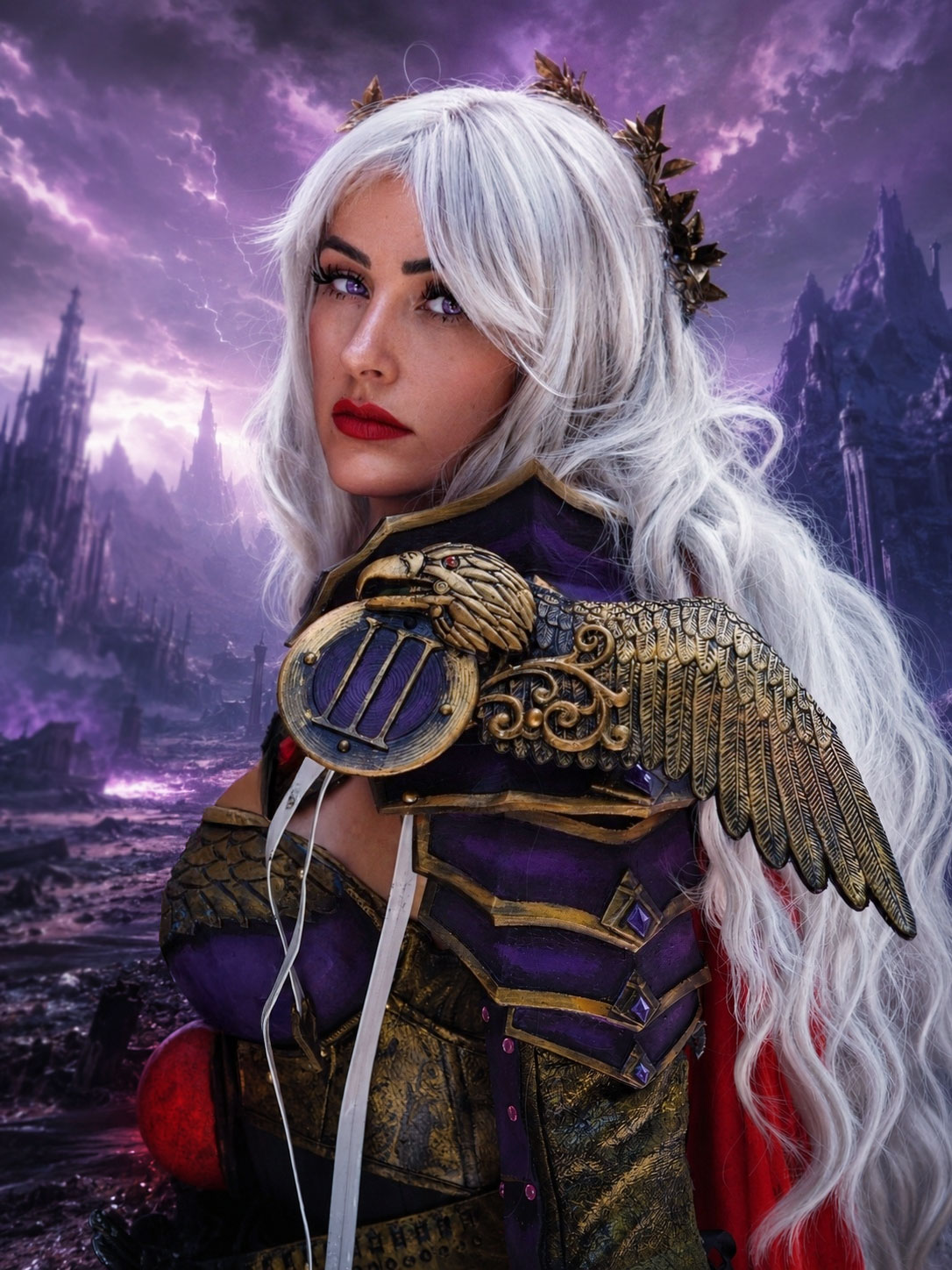
Kax’s Fulgrim cosplay brings her Warhammer interests into costume-making. Image supplied by Kax.
You trained in graphic design and also work with illustration. How does that background influence the way you approach a miniature, a costume, or a setting for a game?
My graphic design background influences almost everything I do. I instinctively analyse shapes, silhouettes, colour palettes, composition, and visual coherence.
When I create a portrait, using oil paint or charcoal, I think about how to make it recognisable. When I paint a miniature, I consider how the colours work together and what will guide the eye to the most important parts. When I design a costume, I think about its overall silhouette and how readable it will be from a distance.
Illustration also encourages me to think about storytelling through visual elements. You do not always need a long sentence to express something about a character. Their clothing, their posture, the colours they wear or the ones that surround them, and their accessories, can already tell the viewer a great deal about what you’re trying to convey.
Ultimately, all these disciplines are feeding off each other, as a network of visual tools to illustrate stories.
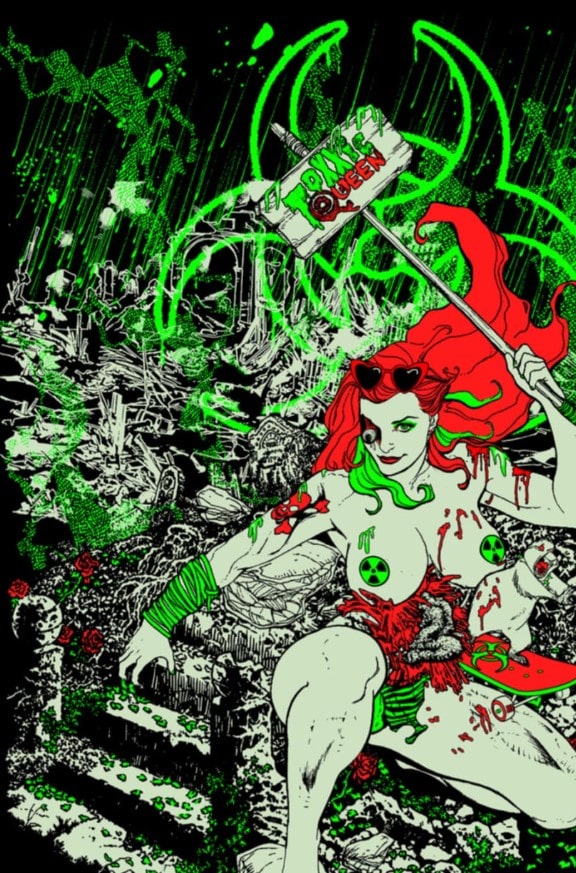
An illustration shared on Kax’s portfolio. Image supplied by Kax.
In your 2024 account of starting La Lance Brisée, you described a makeshift studio and the need to delegate. What has changed most in how you manage the work since then?
One of the biggest lessons for me has been understanding that enthusiasm alone is not enough to make a creative project sustainable. You need organisation, teamwork, and the ability to recognise that you just cannot do absolutely everything yourself. And that’s also why I decided to end this adventure, and start a new one, in order to prioritise my career as a streamer.
La Lance Brisée was a collaborative project, produced by C&G Productions. And bringing an actual play series to life involves far more than just sitting around a table and throwing dice to play a fun game of RPG. There’s all the preparation, the recording, the technical work, the editing, the communication, and all the little things that happen behind the scenes.
You bring gaming, painting, cosplay, and role-playing into the same community. Have you seen someone arrive for one interest and end up trying something completely new?
Absolutely! And that’s one of my favourite things about building a community around several different creative hobbies!
One might arrive on my stream because they enjoy gaming, then become curious about miniature painting. Another might discover role-playing through our conversations, or start looking into cosplay after checking one of my costume projects. And this is the best part about being a streamer! I have the best job in the world, trust me! I think people sometimes assume that some hobbies belong to separate worlds. But when you look closer, gaming, painting, illustration, cosplay, and role-playing all share something fundamental: the urge to create, to explore and to tell stories.
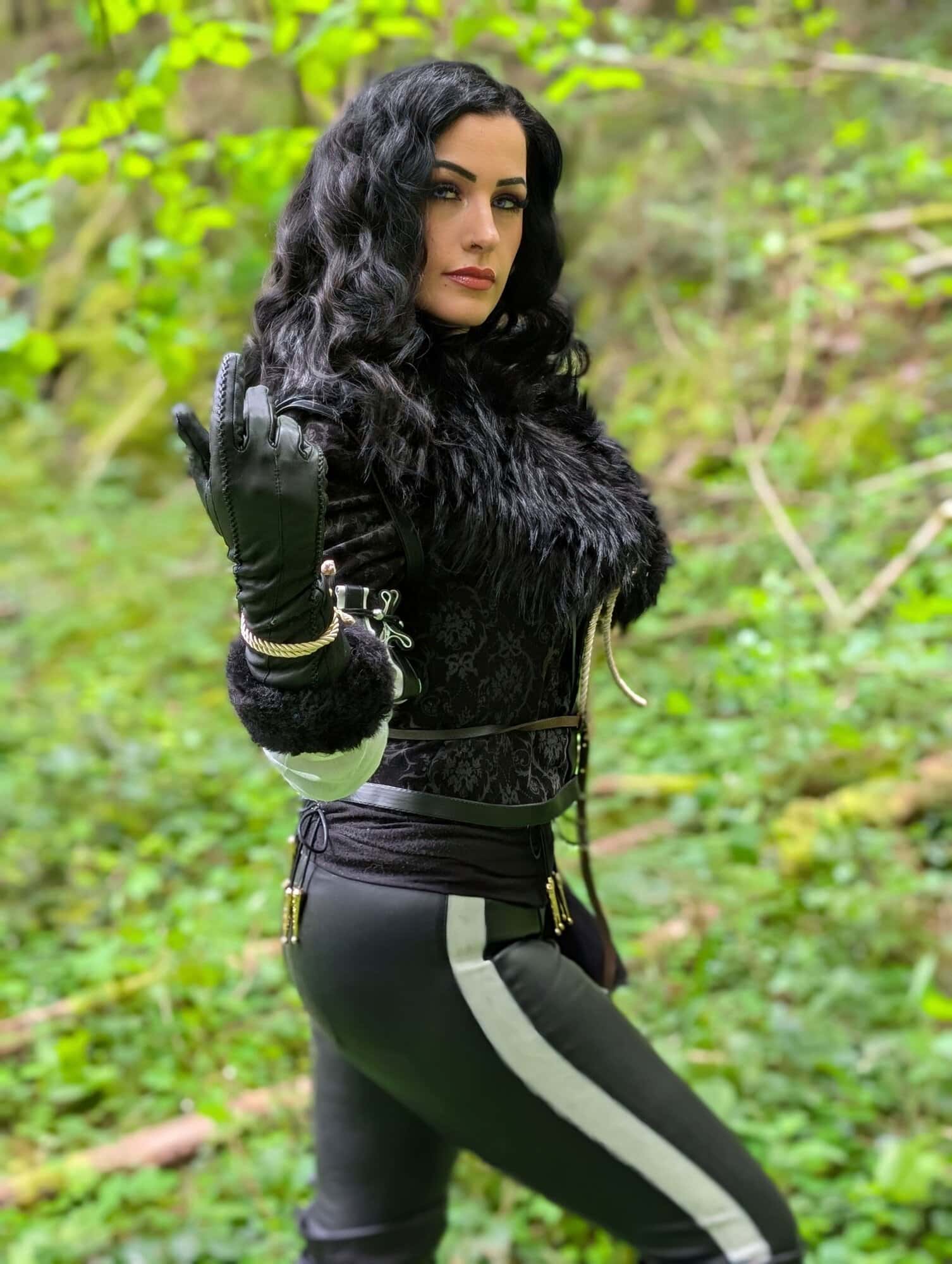
Kax’s creative work includes making and wearing her own costumes. Image supplied by Kax.
As a juror for FJDRA’s 2025 RPG competition, you encouraged creators to follow their own ideas. When has taking a creative risk yourself led to something you’re especially proud of?
I think one of the biggest creative risks I’ve taken was to mix all the things I love, even when they don’t necessarily seem to belong together, and make it my career. I’m also particularly proud of my Malenia cosplay from Elden Ring, another of my big projects of 2026. It pushed me to challenge myself artistically and technically, and reminded me how rewarding it is to take on something that feels initially… a little intimidating! But globally, I’m also proud of my work as a streamer. Taking risks means daring to create something personal, even if you do not know how people will respond. And, sometimes, that’s exactly how the most meaningful projects begin.
You mentioned working with brands in your email. What makes a collaboration feel right for you, and what would make you turn one down?
In my opinion, a good collaboration has to feel VERY authentic. I want to work with brands whose products genuinely connect with my interests and the content I create. My community knows I’m passionate about A LOT of things, so any partnership needs to resonate with what I love and the values I defend. I’m fortunate to collaborate with two great brands: Wargame Spirit, who share my passion for miniatures and creative hobbies, and Razer, who included me in their Razer Creator program. These partnerships allow me to share products and experiences that fit naturally into my content, while offering something valuable to my community! And yes, I know it sounds a little cheesy but trust is essential. I want to be able to speak honestly about what I use and recommend, without feeling like I’m just reading an advertisement prompt.
What are you most excited to make next, and is there a side of your work you wish more people knew about?
I’m excited to keep building on the connections between my different creative passions. I always have new ideas brewing, whether they’re cosplay projects, painting challenges, gaming adventures, or stories I want to bring to life. I thrive on projects that allow me to learn new techniques and push myself beyond what I’ve already done! I truly think people often see streamers primarily as gamers, but there’s SO much more happening when the camera is off. Streaming is only one part of what I do! On top of that, there’s the artistic research, the crafting, the writing, the technical challenges, and all the work that goes into building a community.
I would love for more people to discover that side of myself: not just the vampire playing games on Twitch, but the creator who loves experimenting, making things with her hands, telling stories, and bringing different creative worlds together. That’s why I insist on describing myself as a content creator, not as an influencer. That’s what makes this adventure so exciting for me, and I can’t wait to see where the next chapter leads me!
Follow Kax
Website & portfolio · Twitch · Linktree · Instagram
Related Reading
Matt Essom Talks Max Payne, UFC 4, AI Art, and Creative Discipline
Richard Dansky Interview: From World of Darkness to Ghost Recon Wildlands
Written by Ronny Fiksdahl, Founder & Editor-in-Chief of Fix Gaming Channel.
Send interview pitches, corrections, tips, or developer stories to contact@fixgamingchannel.com.
Support independent games coverage on Ko-fi.


