How player feedback turned boss victories into branching points in Revenant Survivors
For this Fix Stories feature, Seonyeop Jang of Mongma Studio shares how player feedback changed the way its three-person team approached bosses, progression, readability, and meaningful choices in Revenant Survivors.
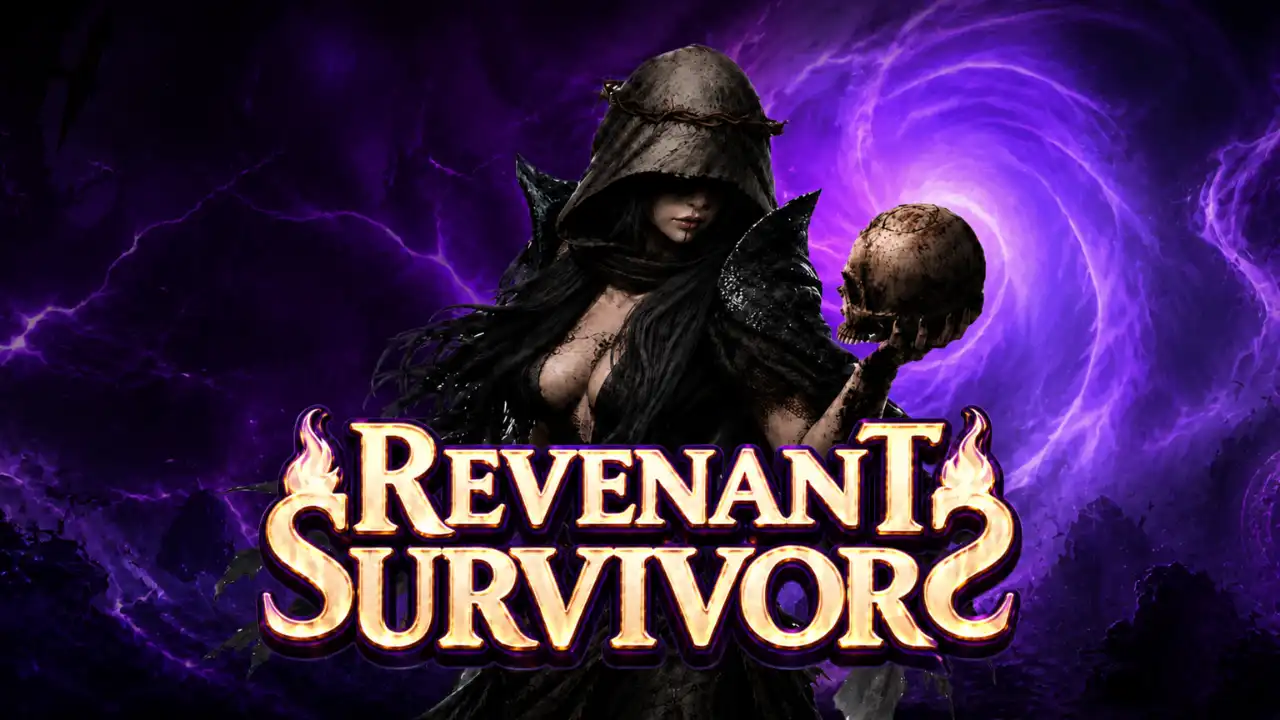
Revenant Survivors is a dark fantasy action roguelite built around taking more than loot from defeated bosses. Their equipment, skills, souls, and eventually even their bodies can become part of the player’s progression. The free demo is now available on Steam.
You can read more first-person development stories in Fix Stories.
Revenant Survivors Gameplay Trailer
Watch the Revenant Survivors gameplay trailer on YouTube
Want more stories directly from game developers?
Get more developer stories, interviews, reviews, indie coverage, and gaming news from Fix Gaming Channel.
Join Our Newsletter
Stay updated with the latest interviews, previews, creator stories, and indie gaming news.
When we started building Revenant Survivors, one question kept coming back to us: what should happen after a boss dies?
In a survivors-like, a boss can easily become the wall at the end of a section. You spend the run getting stronger, defeat the boss, receive a reward, and move on. We wanted the moment after the fight to matter more than that. We wanted defeating a boss to become a point where the player’s run changes direction.
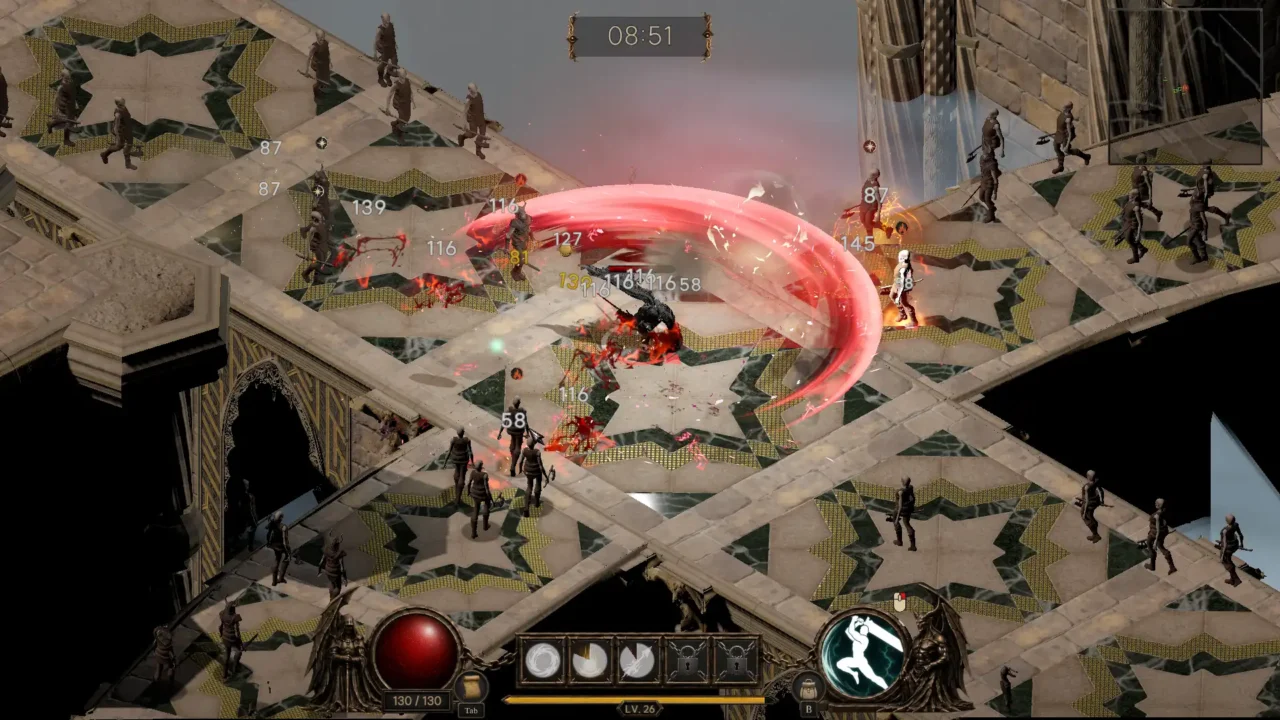
That idea gradually became the center of how we design progression. Defeating a miniboss leads to a relic choice. Relics are meant to change the current build in ways the player can feel and see. Defeating a major boss leads to a trait choice, and traits are reserved for larger changes that can alter how an attack or combat mechanic works. Bosses can also reward equipment. Their souls are used to unlock skills for future runs, and defeating bosses can eventually unlock those bosses themselves as playable characters.
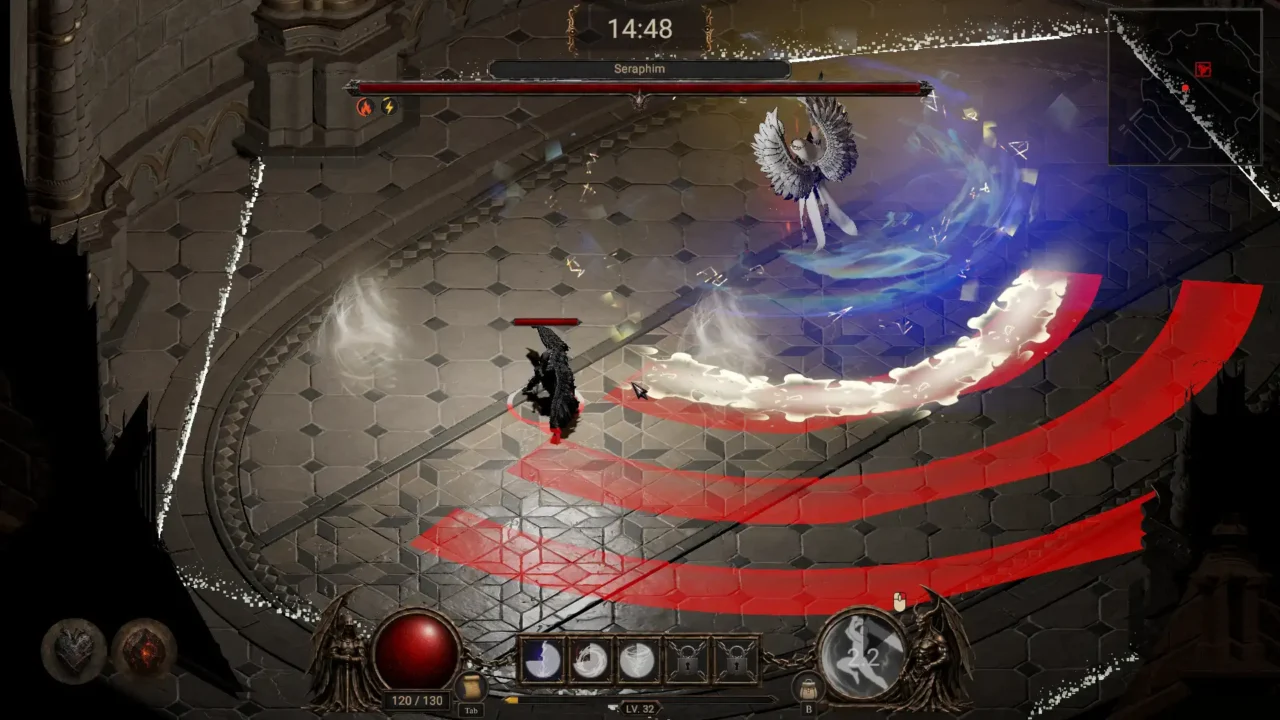
The important part for us is that these should not feel like several versions of the same reward. Each boss victory should open a different kind of possibility.
We did not understand that clearly enough at first.
When you work on a game every day, you already know what every system is supposed to mean. We knew why a level-up choice was different from a relic, why a trait was supposed to be more important, and what kind of build each option could create. Because those differences were obvious to us, we assumed players would understand them in the same way.
During our playtest, we found many cases where that was not true.
Some players understood systems differently from what we intended. Some choices that felt distinct to us looked too similar from the outside. Sometimes the problem was not whether a mechanic worked, but whether the player could understand what had changed and why it mattered. Written feedback was useful, but watching where players hesitated, what they selected, and what they misunderstood was just as valuable.
That feedback made us reconsider how a build should develop during a run.
We started separating the roles of progression more clearly. Level-ups became the place for steady numerical growth. Relics from minibosses became more visible changes that can push a build in a particular direction. Traits from major bosses became the place where we can change mechanics more dramatically. We also kept the idea that every attack should have an evolved form, because we want progression to be visible in the way combat behaves, not only in larger damage numbers.
This sounds simple when written down, but it took us time to get there. One of the biggest things the playtest taught us was that adding more systems does not automatically create more meaningful choices. A choice becomes meaningful when the player can understand what it offers and imagine how it will change what happens next.
That lesson reinforced why bosses became so important to Revenant Survivors. We stopped thinking of them as endpoints and started thinking of them as branching points. After a miniboss, the player chooses how to reshape the current build. After a major boss, the player can make a more dramatic mechanical decision. Equipment can affect future builds. Boss souls expand the skills available in later runs. Eventually, the boss itself can become something the player controls.
That is where our phrase about taking everything from bosses came from. For us, it is not only about loot. A boss victory should leave a mark on what the player can do next. Its equipment can become yours, its skills can become part of future builds, its soul can expand your options, and even its body can become a playable character.
Revenant Survivors is being built by three people at Mongma Studio in South Korea. Cheol-Hyun Kim focuses on game design and planning, Han Sang Hyeok handles development, and I work on marketing and business while also supporting development wherever I can.
One of the hardest areas for us has been art. We do not have a dedicated professional artist on the team, but Revenant Survivors is a dark fantasy game, so visual identity and readability matter a lot. We have had to solve many visual problems ourselves, from UI and icons to effects and how different elements feel together in the game.
There have been many cases where something looked fine when we made it but did not communicate well once it was actually in play. An icon can look good at full size and become difficult to read in combat. A UI element can make sense to us because we already know what it means, but not to someone seeing it for the first time. Sometimes we have rebuilt things several times because they worked technically but did not feel clear or consistent enough.
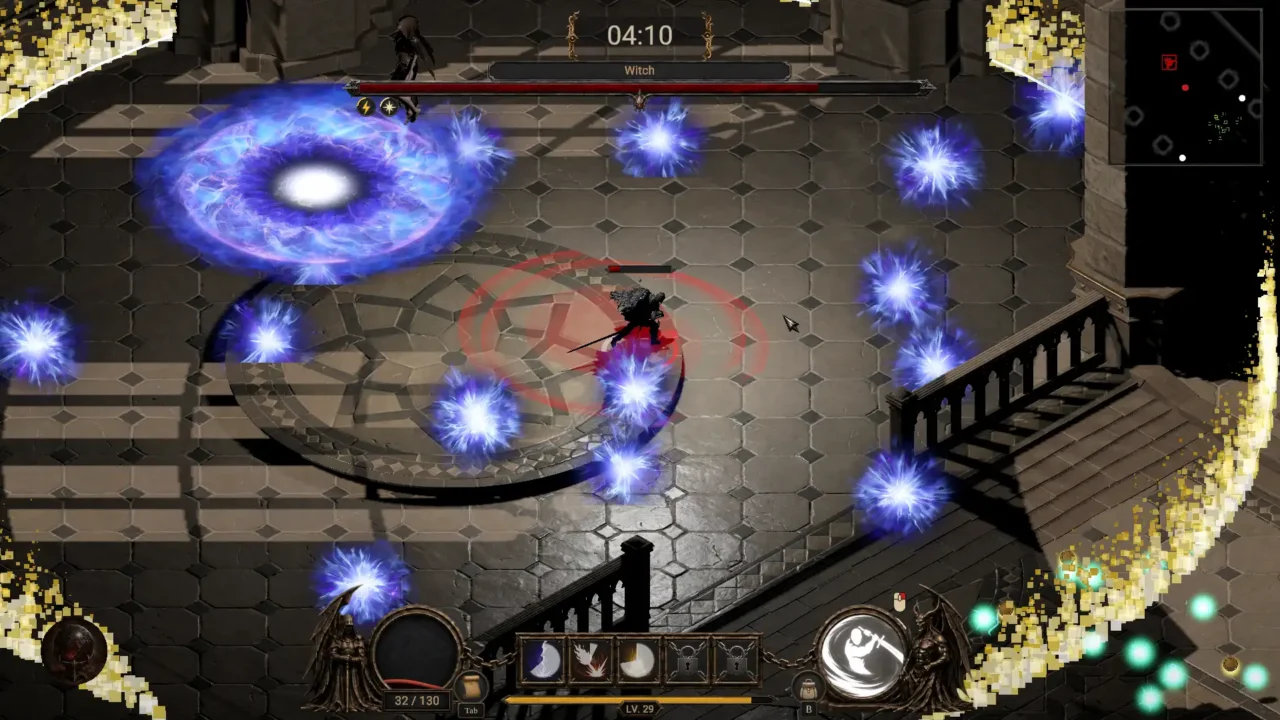
The playtest helped us here too. Players notice problems that a development team can become blind to simply because we have looked at the same game for too long. Their feedback reminded us that making something work and making something understandable are two different problems.
That may be the most important lesson we have learned so far. We still have a lot to improve, but we now think much more carefully about what each choice is communicating and what changes players should be able to feel immediately.
The September 4 Steam demo is our current answer to the question we started with. We want defeating a boss to feel less like reaching the end of something and more like opening another possibility.
When a boss falls in Revenant Survivors, the question we want the player to ask is not only, “What dropped?” It is, “What can I become now?”
Revenant Survivors
Release: 2026; free demo available now
Genre: Dark Fantasy Action Roguelite, Survivors-like
Developer / Publisher: Mongma Studio / Mongma Studio
Platforms: Windows PC via Steam
Fix Gaming Channel: Fix Stories gives developers and creators room to tell the stories behind their work directly in their own words. Seonyeop Jang’s submitted story above has been preserved in his voice and formatted for publication by Fix Gaming Channel.
Related Reading
Fix Stories: Hound Riders and the Fight to Stay Original
Fix Stories: Why I Built a Grand Strategy Game I Could Actually Finish
More Fix Stories from developers and creators
Story written by Seonyeop Jang of Mongma Studio.
Edited and published by Ronny Fiksdahl, Founder & Editor-in-Chief of Fix Gaming Channel.
Send developer stories, creator stories, corrections, tips, or game pitches to contact@fixgamingchannel.com.
Support independent games coverage on Ko-fi.